
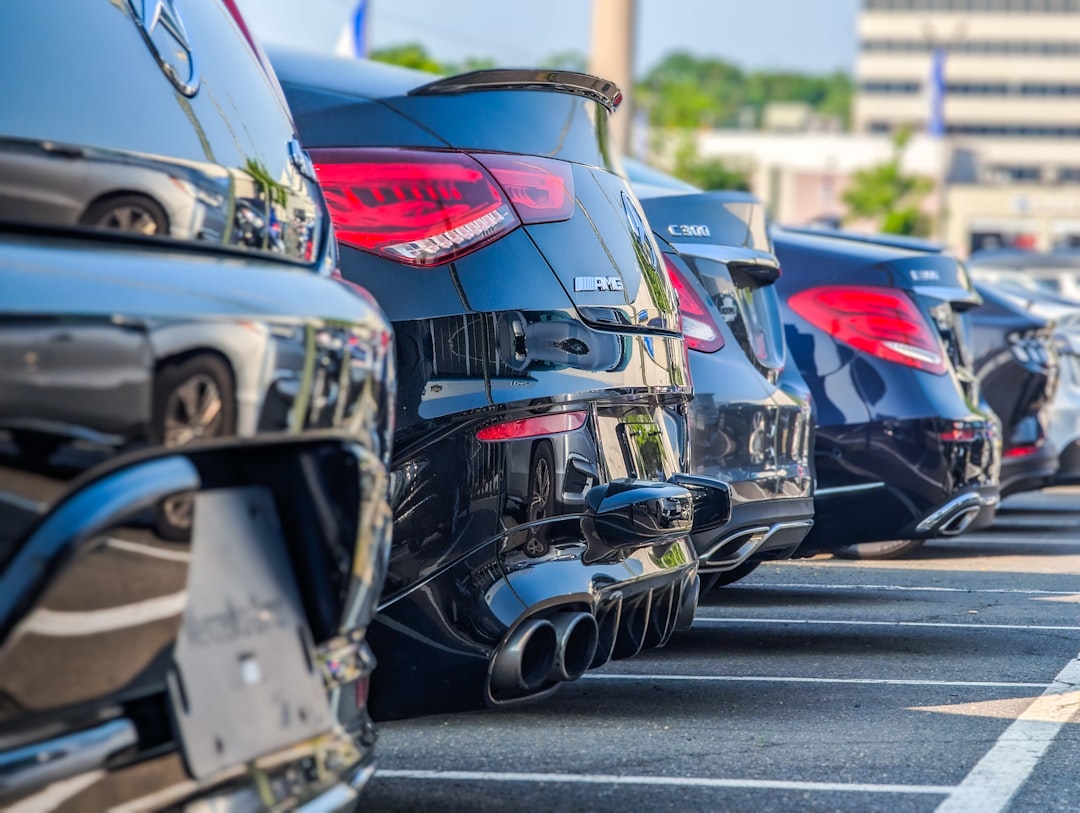
Remember when a brand-new car cost around $21,000? That was 2001. Today, the average new vehicle carries a sticker price of $51,440, according to Kelley Blue Book data from February 2026. That is a 139 percent jump in just 25 years.
To put that in perspective: the U.S. Bureau of Labor Statistics says $21,474 in 2001 money is worth about $39,917 today, after accounting for inflation. So prices have climbed far beyond what inflation alone can explain.
What Things Cost Back in 2001
In 2001, a new Toyota Corolla ran $16,199. A Plymouth Voyager minivan (the last year Plymouth ever made one) was $17,672. A Jeep Wrangler came to $22,092. These were the everyday prices for everyday drivers.
The average across all new vehicles that year was $21,474, according to the U.S. Department of Energy. By 2011, that number had grown to $25,04, a 16 percent rise over a decade. Manageable, more or less.
How 9/11 Changed the Way Cars Were Sold
After the September 11, 2001, attacks, automakers feared a crash in sales. Their response was to offer 0% financing across their model lines. It worked; car sales held up. But according to Jalopnik, it permanently changed the game of incentives in the industry.
That 0% financing mainly benefited automakers’ own lending arms, like Ford Motor Credit Company and GM Financial. It did little for lower-income buyers or those rebuilding their credit.
Where Prices Stand Right Now
Today, the COVID-19 pandemic gets much of the blame for high car prices, and supply chain problems and microchip shortages did play a role. But the article notes that automakers themselves have driven prices up by stocking showrooms with more high-end, high-profit models.
According to Kelley Blue Book, here is what buyers are paying on average in February 2026:
- Compact cars: $27,341
- Subcompact SUVs: $30,836
- Compact SUVs: $36,807
- Midsize SUVs: $50,148
- Full-size pickup trucks: $66,157
Full-size pickups can even run six figures with added trim options. And average sticker prices have topped $50,000 for 11 consecutive months.
Are There Still Affordable Options?
There are still some reasonably priced vehicles out there. The 2026 base Toyota Corolla lists at just over $24,000. That is about $8,000 more than the same car cost in 2001, but it is far below the average.
However, with the Nissan Versa reportedly being discontinued, there are no longer any new cars available to U.S. buyers for under $20,000. Used car prices have also climbed to levels that once only applied to new models. With tariffs and rising gas and oil prices adding more pressure, the article concludes that relief for the average driver does not appear to be coming soon.