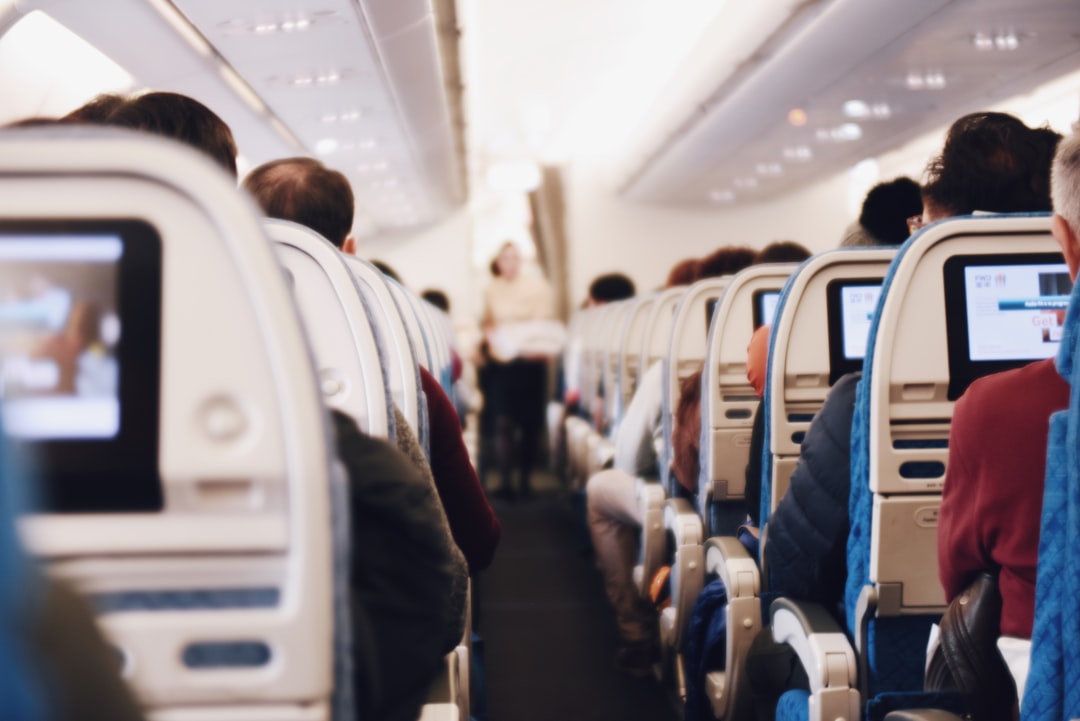
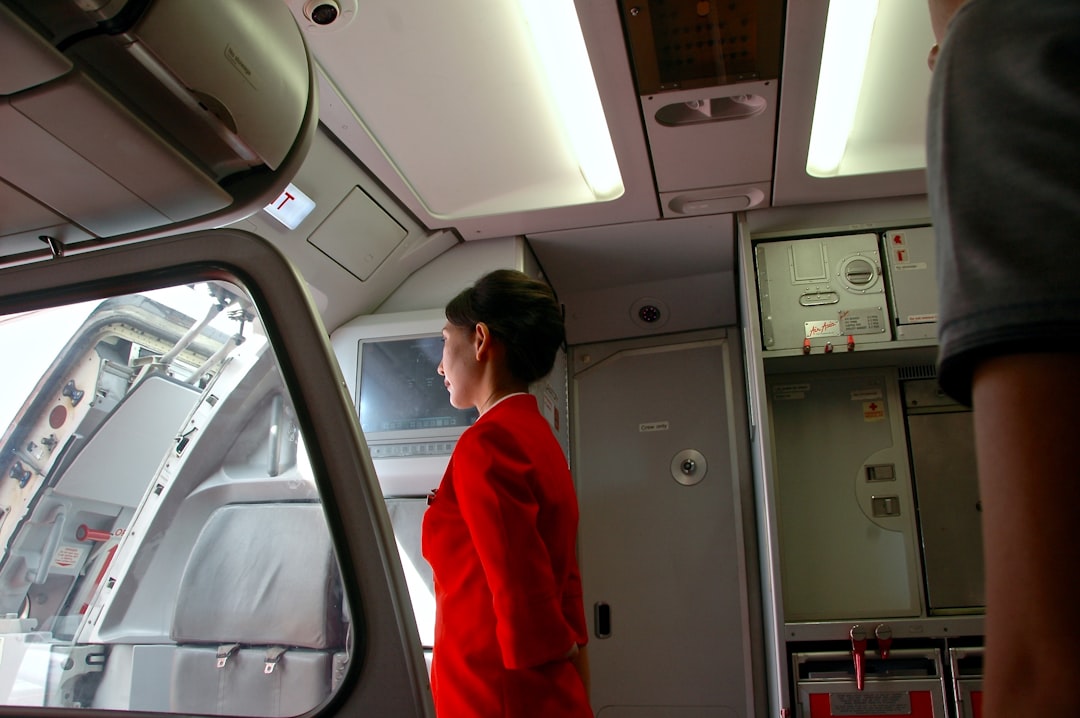
You have probably noticed it and wondered about it. As the plane begins its takeoff roll, the flight attendants settle into their jump seats and sit on their hands. It looks a little odd. But there is a very good reason for it.
Lia Ocampo knows exactly why. She is a former flight attendant and the author of the memoir Life, Love, and Lessons in the Sky. She calls this the brace position, and she says it is standard procedure on every single flight, not a sign that anything is wrong.
What the Brace Position Actually Does
The brace position is a safety protocol designed to protect the body in the event of an unexpected incident during the most critical phases of flight, takeoff, and landing. It involves positioning the head and arms to reduce the impact of any sudden jolt or accident.
Sitting on their hands is one of the most common versions. It keeps the arms secured close to the body. Ocampo says the exact position can vary depending on the seat’s orientation and the restraint system it uses.
If you see cabin crew doing this, Ocampo says, that is a good thing.
“If passengers see flight attendants do this, it means they are doing the right thing and fulfilling their role in ensuring safety.”
She says.
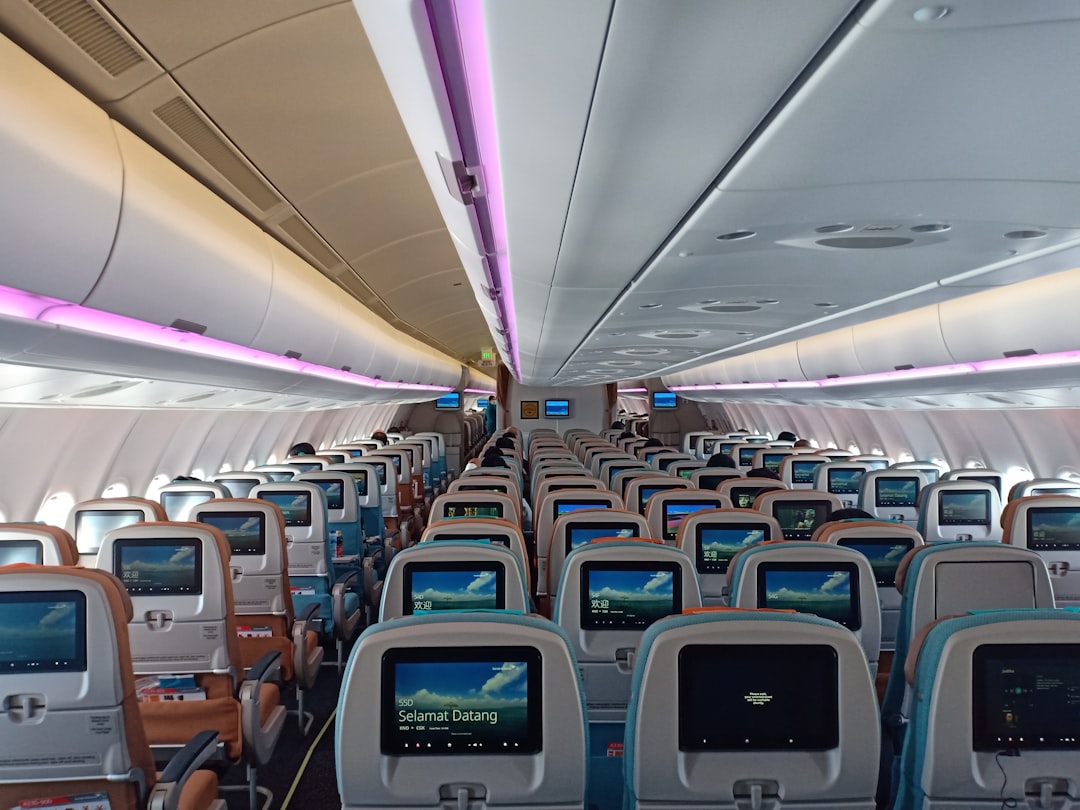
They Are Also Running Through a Mental Checklist
Here is something most passengers do not realize. While sitting on their hands, flight attendants are not just waiting. They are quietly running through a mental checklist.
According to Ocampo, the checklist includes several important items:
- Where the emergency exits are and how to open them
- Which passengers might be able to help in an emergency
- What commands to use if they need to direct passengers quickly
- Where other evacuation equipment is located
A lot is happening behind a very calm face. These are trained safety professionals doing their jobs at the moments it matters most.
What You Can Do to Be Ready
Passengers do not need to sit on their hands. But Ocampo does say there are situations where you might be told to assume your own brace position. The details for that are printed right on the safety card tucked into the seatback pocket in front of you.
She points out an important difference between planned and unplanned emergencies. In a planned emergency, the crew will have time to walk passengers through what to do. In an unplanned one, they may not.
That is why reading that safety card before every flight (yes, even if you have flown dozens of times) is worth the two minutes it takes. And it is worth actually listening to the safety briefing, even on a route you know well. The aircraft type or cabin class can change what applies to you.
Ocampo puts it simply:
“If we travel prepared and with a positive mindset, we can overcome some of those challenges and make our journey safer and more enjoyable.”
Good advice for any of us heading somewhere wonderful.