
You love your houseplants. You love your pet. And somewhere between the two, there is always that small worry: what if they take a nibble?
It is a real concern. Many popular houseplants contain naturally occurring compounds that can make dogs and cats sick if they eat them, told Parade horticulturalist Justin Hancock of Costa Farms, author of The New Complete Guide to Houseplants. Plants developed those compounds as natural defenses in the wild, Hancock says, and some found in leaves, stems, or roots can be harmful when consumed.
That does not mean you have to choose between greenery and your furry companion. There are plenty of beautiful plants that do not contain those problematic compounds. Here are 20 of them.
One note before you dig in: Even pet-safe plants are not a guarantee of zero risk. Individual animals can have sensitivities, and fertilizers or pesticides used on a plant can present their own concerns. If your pet eats any plant and starts showing unusual symptoms, contact your veterinarian right away.
20 Houseplants Safe for Cats and Dogs
1. Peperomia. New to houseplants? Hancock calls this one especially beginner-friendly. Many common varieties handle lower-light conditions well and are forgiving if you occasionally forget to water.
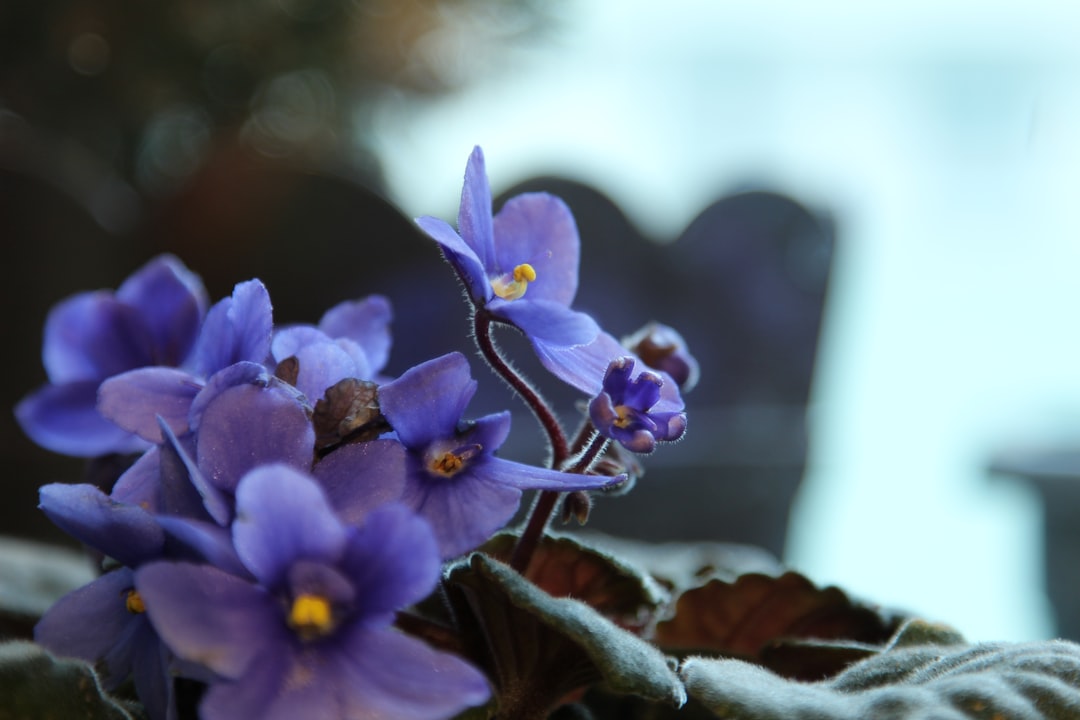
2. African Violet. Want something that actually blooms? African violets are a lovely choice. Their fuzzy green leaves are topped with clusters of colorful flowers, and the plants stay relatively small.
3. Majesty Palm. Got an empty corner that needs something dramatic? A majesty palm brings instant tropical flair with its long, feathery fronds. Set it in a floor planter and let it become part of the room.
4. Spider Plant. Spider plants have been a favorite for generations. Their long, striped leaves spill gracefully over the sides of a pot. Mature plants even produce little plantlets that dangle from long stems.
5. Money Tree. A money tree offers good looks, a distinctive braided trunk, and, according to tradition a little good fortune. Hancock notes that a well-cared-for money tree can eventually grow taller than 6 feet indoors, though getting there takes years.
6. Boston Fern. For lush, full greenery, the Boston fern is hard to beat. Its arching fronds look gorgeous in a hanging basket or elevated planter. Keeping the air around it humid helps those fronds stay at their best.
7. Prayer Plant. No flowers needed here. Prayer plant leaves come in striking patterns of green, red, and cream. Their best trick happens at night: the leaves lift upward in response to the daily light cycle, mimicking praying hands. That is how they got their name.
8. Areca Palm. An areca palm has a light, airy quality, with multiple slender stems topped by feathery fronds. As it fills out, it can create an almost screen-like effect: a soft, living way to divide a space or add a little privacy.
9. Christmas Cactus. This one earns its place with the colorful flowers it produces during the cooler months. Depending on the variety, yours may bloom around Thanksgiving or Christmas: a living decoration right when the garden outside has gone quiet.
10. Friendship Plant. Do not let the small size fool you. The friendship plant has deeply textured leaves and plenty of personality. It fits easily on a shelf or tabletop, and it propagates well enough that you can grow extras to pass along to a friend.
11. Ponytail Palm. Prone to forgetting watering day? This is your plant. The ponytail palm stores water in the thickened base of its trunk, making it exceptionally drought-tolerant, Hancock says. Its extremely slow growth means you will not be constantly repotting or pruning it, either.
12. Cast Iron Plant. The name says it all. Cast iron plants are tough and resilient, delivering broad, glossy green foliage without a lot of fuss. Their simple, upright leaves suit just about any decorating style.
13. Moth Orchid. Those gorgeous orchids you see at the grocery store? They are pet-friendly. Moth orchids come in shades from crisp white to pink, purple, and yellow. Their blooms last a long time, making them an easy way to add color without constantly swapping out fresh flowers.
14. Parlor Palm. Love the look of palms but short on space? The parlor palm delivers the tropical feel in a much more manageable size. It is also a slow grower, so you will not bring home a small plant only to have it take over the room.
15. Calathea. Calatheas may be some of the most beautiful pet-safe plants you can find. Their leaves come in an impressive range of patterns: stripes, brushstroke-like markings, and combinations of green, cream, pink, and purple.
16. Polka Dot Plant. The polka dot plant looks like someone took a paintbrush to it. Common varieties feature pink, red, or white splashed against green. Its compact size makes it easy to tuck onto a desk, shelf, or grouping of other plants.
17. Bird’s Nest Fern. Not all ferns are delicate and feathery. The bird’s nest fern produces long, broad fronds with gorgeous wavy edges that emerge from the center of the plant. The result is lush and almost sculptural, a nice change if you want something different from a traditional Boston fern.
18. Blue Echeveria. If you prefer succulents, blue echeveria grows in compact rosettes of fleshy leaves. It adds a completely different shape and texture to a collection of houseplants.
19. Pilea. Pilea covers a range of houseplants, but the best-known is the Chinese money plant, with its distinctive round leaves. It stays compact and eye-catching without taking up much space.
20. Burro’s Tail. Another succulent worth knowing, burro’s tail has long stems densely covered in plump leaves that create a beautiful cascading effect. It looks especially good in a hanging planter. Just handle it gently, those fleshy little leaves detach fairly easily.
A home full of greenery and a happy, healthy pet. With the right plants, you really can have both.