
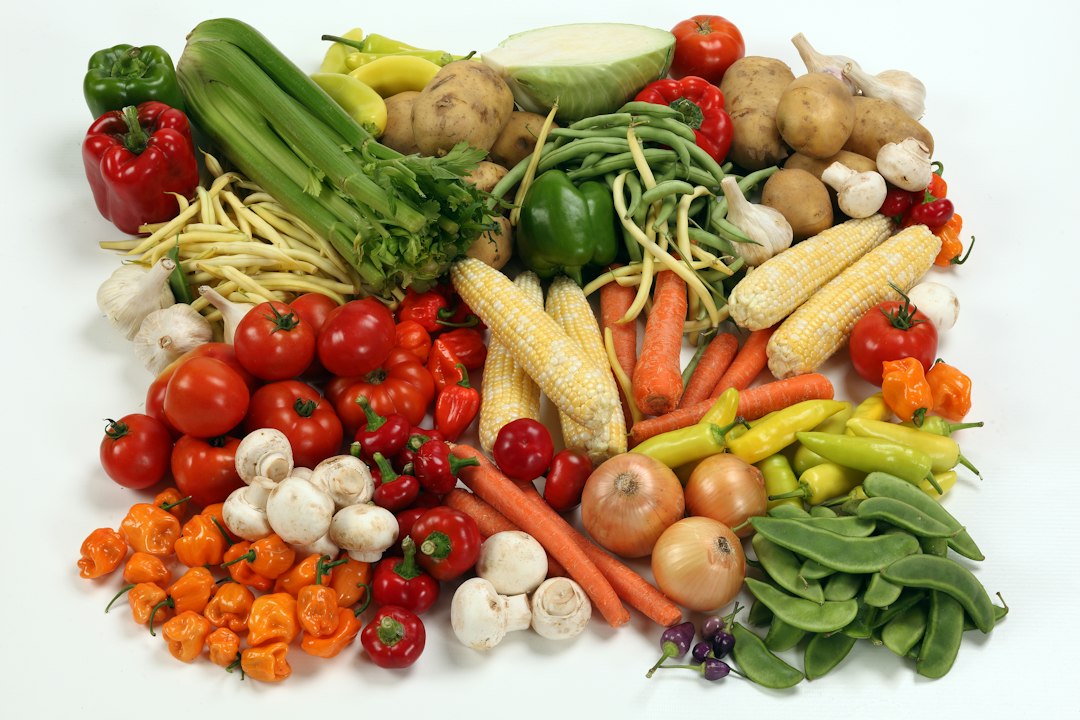
Here is something worth knowing if you are thinking about what you eat as you get older. A major international study found a clear link between plant-based eating and lower frailty risk in older adults. And the quality of what you eat matters just as much as the category.
The research looked at 8,628 older adults across three long-running studies. These were the Chinese Longitudinal Healthy Longevity Survey, the U.S. Health and Retirement Study, and the English Longitudinal Study of Ageing. A supplementary group of 10,821 participants from the SHARE study was also included.
What the Study Measured
Researchers scored participants’ diets using plant-based diet indices. One measured overall plant-based eating. Another measured a healthful plant-based diet. A third measured an unhealthful plant-based diet, think refined grains and added sugars rather than whole foods.
Frailty was measured using a broad index that looked at deficits across multiple areas of health, not just physical strength alone.
What They Found
Across all three primary studies, people who scored higher on the overall plant-based diet index had meaningfully lower frailty risk. The odds ratios ranged from 0.71 to 0.80, a consistent finding across three very different populations.
The flip side was equally telling. People who scored higher on the unhealthful plant-based diet index actually had higher frailty risk. Those odds ratios ran from 1.24 to 1.41. So eating plant-based does not automatically mean eating well.
The healthful plant-based diet index showed a protective link in the English study, but results were not significant in the Chinese or American cohorts.
Which Foods Stood Out
Researchers also looked at which specific foods showed the strongest connections to lower frailty risk. Three rose to the top.
- Nuts — linked to lower risk across several frailty domains
- Vegetables — showed predominantly inverse associations with frailty
- Plant oils — also showed mostly inverse links with frailty measures
One More Detail Worth Noting
The study also looked at whether changes in a person’s own diet over time predicted frailty changes. In the Chinese cohort, where repeated diet data were available, the differences between people (who generally ate more plants versus who ate fewer) showed stronger associations than changes within the same person over time.
That is a nuanced finding, and it suggests that long-standing dietary habits may play a bigger role than short-term shifts.
The bottom line from the researchers is straightforward. A higher-quality plant-based diet was linked to lower frailty risk. An unhealthful plant-based diet, heavy on processed and refined plant foods, was linked to higher risk. It is not just about eating plants. It is about eating the right ones.