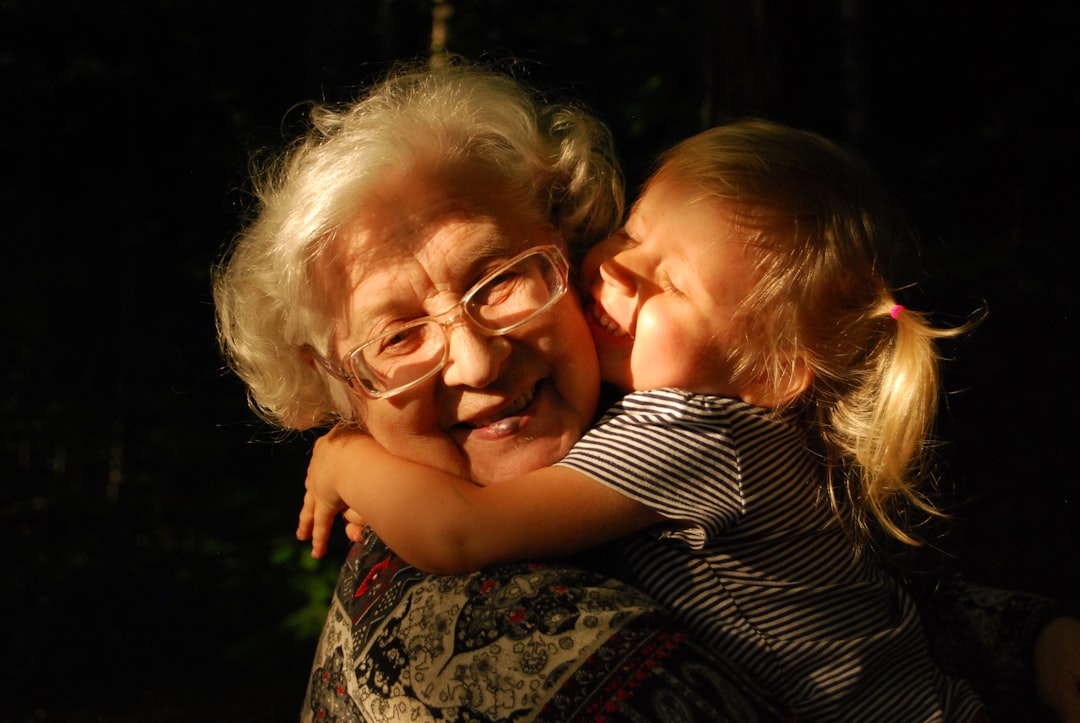
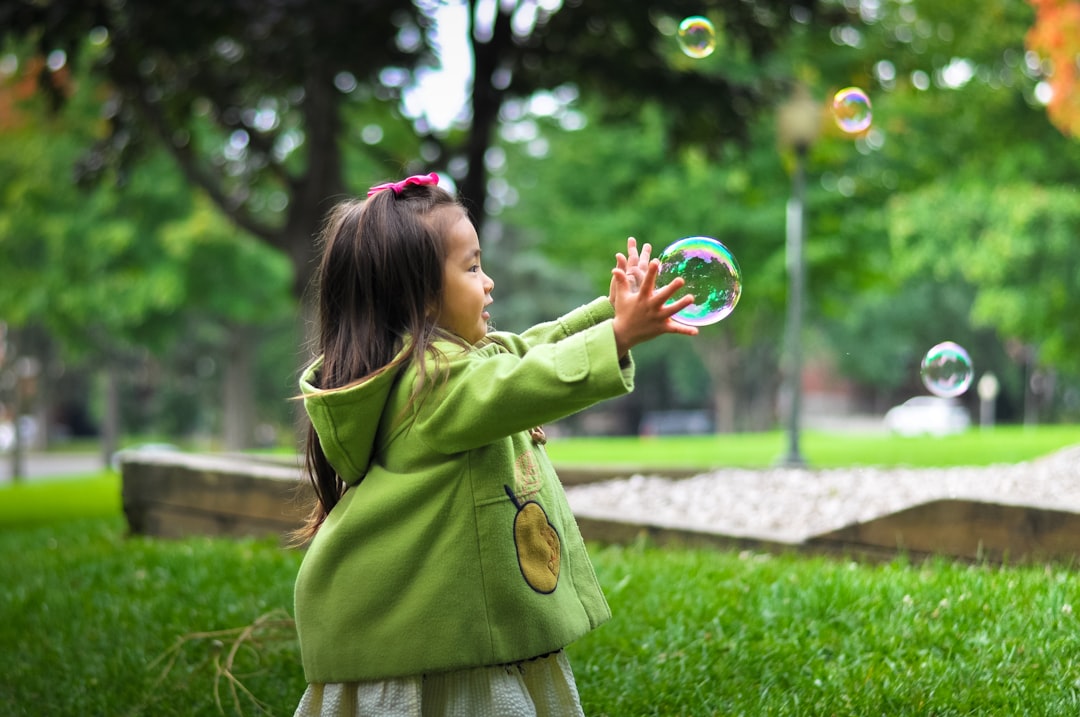
Remember when kids used to disappear into the backyard for hours? Nobody scheduled it. Nobody planned it. They just went outside and figured it out.
Child psychologists told Parade that kind of unstructured time was doing something important. And they are worried that today’s grandchildren are not getting nearly enough of it.
What Happened to Free Time?
According to Dr. Marco-Antonio S. Hartmann, PhD, a pediatric psychologist at Phoenix Children’s, no single moment killed childhood boredom. But he points to a clear turning point between 1979 and 1981, followed by three waves of change that built on each other.
The first wave was fear. The high-profile disappearances of Etan Patz in 1979 and Adam Walsh in 1981 changed how parents thought about unsupervised time. Missing children appeared on milk cartons starting in 1984. “Stranger danger” became part of everyday life.
Dr. Hartmann notes that stranger abduction was rare then and has become rarer since. But perceived risk moved in the opposite direction from actual risk. Parents became what he calls “cruise directors” filling every waking hour with scheduled activities.
The second wave was achievement pressure. Through the 1990s and 2000s, schools cut recess, art, and music. By 2009, 30 percent of children had little to no recess. Unstructured playtime for six- to eight-year-olds fell about 25 percent between 1981 and 1997, while homework and organized activities rose sharply.
The third wave arrived in 2007 with the iPhone. Then the iPad. Dr. Hartmann says those devices filled in the last pockets of nothing: the car ride, the waiting room, the ten minutes before dinner.
“Those minutes weren’t taken from play,” he says. “They were taken from nothing. Which is the more consequential loss.”
What a Bored Brain Is Actually Doing
Psychologist Dr. Amy Kincaid Todey, PhD, says there is a lot going on inside a child who looks like they are doing absolutely nothing.
She describes something called the default mode network: a group of brain regions that activates when attention turns inward. When a grandchild is staring out the car window or wandering around the yard, that network is quietly at work. Kids are remembering, imagining, rehearsing conversations, thinking about other people’s feelings, and making sense of their own experiences.
Dr. Todey calls it the brain’s storytelling system.
“Constantly satisfying uncomfortable internal emotions through providing external stimulation may reduce opportunities for constructive internal reflection,” she explains. “Your child’s brain does not need to consume something every minute in order to be developing.”
Why Boredom Builds Resilience
Licensed clinical psychologist Dr. Holly Schiff, PsyD, says children need practice sitting with uncomfortable feelings and boredom is one of the most useful teachers.
“If every time a child feels bored, frustrated or restless, we immediately provide stimulation, they don’t get as much practice sitting with that feeling and moving through it,” she says.
When a child learns “I’m bored, and I can survive this, maybe I’ll find something to do,” that is a small but meaningful act of resilience.
Unstructured play also helps children practice a whole range of skills on their own terms:
- Problem-solving and decision-making
- Creativity and flexibility
- Negotiation and conflict resolution
- Leadership and perspective-taking
- Frustration tolerance and emotional regulation
“They are also learning something very basic and very important,” Dr. Todey adds. “‘I can figure out what to do next.'”
She is not against organized sports or lessons; she says those can be wonderful. The problem, she says, is when every hour of childhood has an adult agenda attached to it.
What To Say When They Whine “I’m Bored”
If you are spending time with the grandkids and the whining starts, the psychologists have a few scripts worth keeping in your back pocket.
“I believe you.” Dr. Schiff likes this one because it validates the feeling without taking responsibility for fixing it. You can follow it with: “Being bored doesn’t feel very good. What do you think you could do?”
“What kind of bored is it, floaty or itchy?” Dr. Hartmann points out that “I’m bored” actually covers several different states: lonely, tired, hungry, frustrated, understimulated, overstimulated, or simply wanting your attention. Getting curious about what the feeling really is helps a child name it and that alone can take some of the heat out of it.
“You can be bored. Screens aren’t an option right now, but everything else is.” Dr. Todey suggests this phrase when you want to nudge kids toward something other than a device. She says you do not need a fancy activity jar. A reasonably rich environment with books, art supplies, blocks, cardboard, outdoor space, balls, music, plus a little emptiness is enough.
Give It a Few Minutes
Dr. Todey says there is often a “restless pacing” phase when kids first lose access to screens. They wander into the kitchen. They open the fridge. They announce their boredom to anyone who will listen. They may poke a sibling just to have something happen.
She says that is normal, a transition from outside stimulation to self-generated activity. Parents and grandparents can help by keeping things predictable, leaving open-ended materials within reach, and resisting the urge to suggest a new activity every minute or two.
“Manageable frustration,” she says, is the sweet spot. Enough discomfort that the child has a reason to invent something new. Enough support that they still feel capable of doing it.
Sound familiar? It is pretty much exactly how we all grew up. And we turned out just fine.