
Why Family Dinners Still Matter and How to Bring Them Back
October 30, 2026 — 65Nation
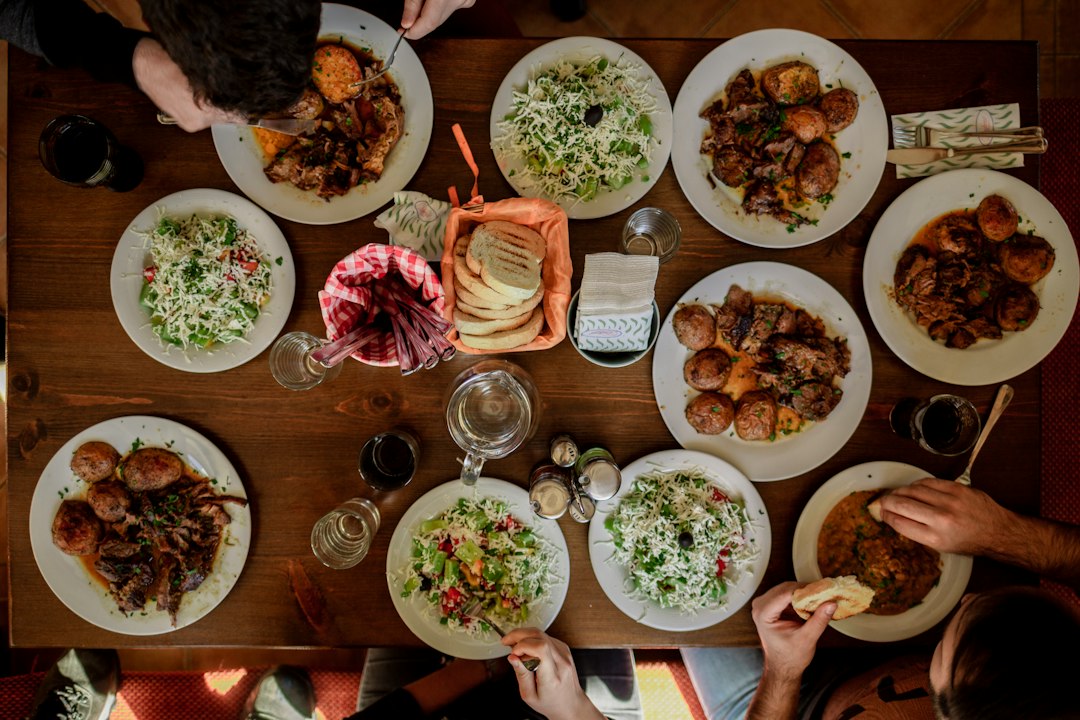
When we were raising our own kids, dinner was just dinner. Everyone showed up, food was passed around, and somehow, without planning it, real conversation happened. Our generation took that for granted. Families today are struggling to pull it off.
Therapists say the shared family meal has been slipping away for decades. And now, with screens in every pocket and a calendar stuffed with activities, it is slipping faster. But they also say it is absolutely worth fighting for, especially for grandkids.
How We Got Here
No single moment killed the family dinner. It happened slowly, over many years.
The shift began picking up speed in the late 1960s and 1970s. By 1978, more than half of married couples (51 percent) were dual-income households. That was a 15 percent jump from just ten years earlier, according to U.S. Bureau of Labor Statistics data.
“The rise of dual-income households meant that parents often had less time at home at the end of the day,” explains Katie Rose, LCSW, a Manhattan-based psychotherapist to Parade. “The explosion of after-school activities meant children were increasingly being shuttled from one activity to the next during the very hours when families once gathered for dinner.”
Color television arrived in the 1950s. Smartphones followed in the late 2000s; the iPhone launched in 2007. Each new screen made it easier to drift apart, even under the same roof.
What Grandkids Actually Gain at the Table
Therapists point to four real benefits when families eat together regularly. These are not small things. They are the building blocks of how children grow up.
Language. Kids learn to talk by listening to adults talk. The dinner table gives them exactly that. Rose says children hear storytelling, pick up new vocabulary, learn to ask questions, and figure out how conversation actually flows, all without a screen mediating the exchange.
Communication skills. Suzanne Koch Eckenrode, LMFT, BACC, a clinical consultant and therapist at Carlsbad Beach Recovery, says the dinner table is where kids practice listening, waiting their turn, tolerating different opinions, and working through small misunderstandings. “These basic conversation processes are repeated through family dinners,” she explains, “and children then take these skills to their eventual friendships, relationships, teachers and work associates.”
Trust and connection. Rose makes a point worth sharing with every parent you know. Children do not build their strongest bonds through big, planned moments. They build them through small, repeated ones, being listened to, laughed with, and shown up for consistently. Dinner is one of the most reliable ways to create those moments.
Routine and a sense of security. Dr. Shannon Franklin, PsyD, a licensed psychologist and Clinical Director of Element Q Healing, says that a regular mealtime helps children feel they have consistent access to their caregivers. That familiarity, she explains, can actually make hard conversations feel less scary, because talking together is already part of the routine.
What Slips Away When It Doesn’t Happen
Eckenrode quickly reassures parents: skipping dinner together does not make anyone a bad parent. But something real does get lost.
“What families can miss are the small, informal moments of connection that happen when people regularly spend unstructured time together,” she says.
Kids rarely announce when something is bothering them. They are more likely to let it slip out while passing the bread than to sit down for a formal talk. Regular shared meals give parents and grandparents more chances to notice a change in mood or hear about a small worry before it grows.
Dr. Franklin adds that children also miss the chance to watch adults handle disagreement respectfully and show genuine interest in others. Those are skills they absorb by watching, not by being taught.
How Often Does It Need to Happen?
Every night would be ideal, Rose says. But she is realistic.
“I would much rather see a family have one reliable meal together every week than set an unrealistic goal of seven nights and abandon the whole thing after two weeks,” she explains. Even once a week works, she says, as long as that night is protected and everyone knows not to schedule anything else during it.
The key word is consistency, not frequency.
Five Ways to Make It Happen
Therapists offered these practical ideas for bringing the family meal back, whether you are a parent, a grandparent hosting Sunday dinner, or someone trying to nudge the whole family in the right direction.
- Make it feel a little special. Rose suggests lighting a candle at the start of the meal and blowing it out at the end. “There’s something inherently calming about watching a flame,” she says. It signals that this time is different from everything else in the day. As a bonus, she notes, the chance to blow out the candle can actually get kids to come to the table.
- Let the kids help make the meal. Rose says children are more interested in eating food they helped prepare, whether that means washing vegetables, stirring something on the stove, or setting the table. And cooking together, she adds, creates connection before you even sit down.
- Put the phones away, all of them. Dr. Franklin recommends setting a clear, time-limited screen-free window. Take all phones into another room for 20 minutes. She is specific about one thing: Mom and Dad’s and grandparents’ phones go too. “Children are much more likely to follow the rules when they see their role models doing the same,” she says.
- Be flexible about which meal it is. Dinner is not the only option. Rose says if mornings work better for your family, a sit-down breakfast counts just as much. “The routine matters far more than the particular meal or time of day,” she explains.
- Keep the conversation warm, not corrective. Eckenrode says kids will dread family meals that turn into a review of grades, chores, or what went wrong. “Be curious,” she says. “Ask questions. Let them tell stories. Laugh.” The goal is for children to feel that their family enjoys knowing them, not just managing them.
As Rose puts it, there is no one right way to do this. “The goal is connection, not perfection.” A simple meal, eaten together, without anyone staring at a phone, is enough. It always has been.