Raising Resilient Grandkids: Lessons from a Roman Emperor
October 30, 2026 — 65Nation
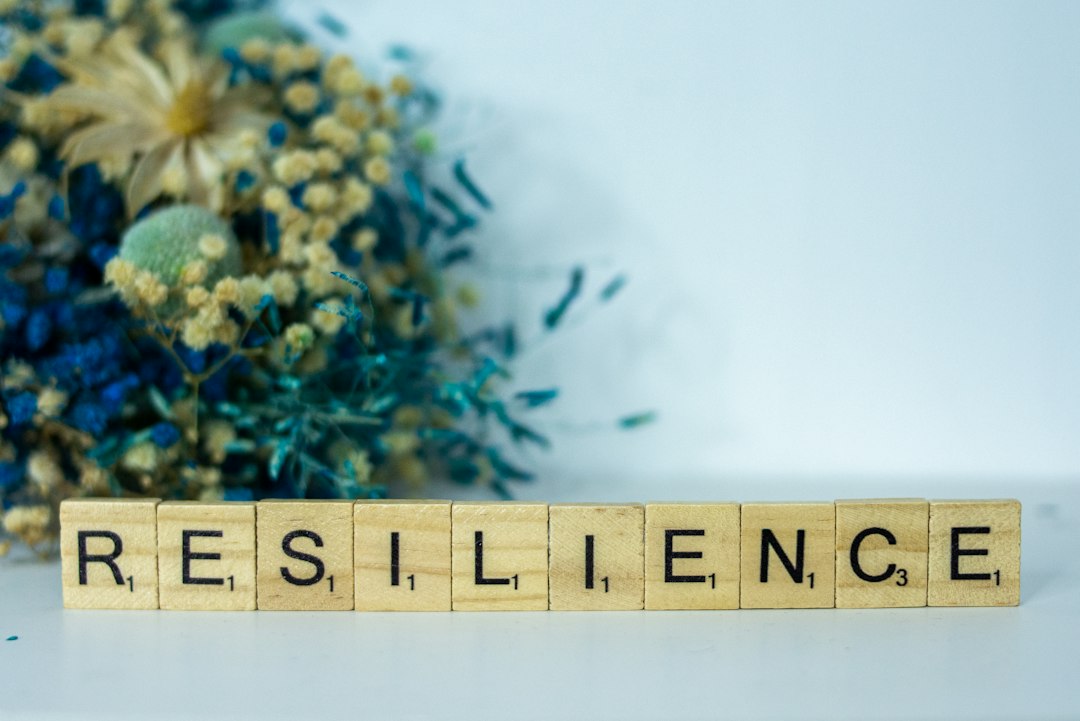
You have watched your grandchildren face disappointment. A missed invitation. A bad grade. A friendship that hit a rough patch. And if you are like most grandparents, you want to help, but you also know you cannot fix everything for them.
Turns out, a Roman emperor from the second century CE had something useful to say about that very situation.
Marcus Aurelius was both a ruler and a Stoic philosopher. Licensed psychologist Dr. Connie McReynolds, who works with children, teens, and adults in California, told Parade his teachings offer some of the most practical parenting lessons she knows. And they translate just as well to grandparenting.
The Big Idea: Some Things Are in Our Control. Most Are Not.
Dr. McReynolds describes the heart of Stoicism as recognizing what is within our control and putting our energy there, rather than getting consumed by what is not.
She calls this the dichotomy of control. We can influence our choices, our effort, how we treat people, and what we do next. We cannot control how others respond, whether plans change, or whether everything turns out the way we hoped.
Teaching children this distinction, she says, helps them feel less overwhelmed. When kids can separate what they can influence from what they cannot, difficult situations start to feel more manageable.
A Simple Exercise to Try Together
Dr. McReynolds suggests having children draw two circles: one labeled “I can control” and one labeled “I cannot control” and sorting ideas into each.
In the first circle, a child might place things like how much effort they give, whether they ask for help, how they speak to someone, or whether they tell the truth.
In the second circle: whether another child invites them to a party, what someone else thinks, whether their team wins, or a grade they have already received.
It is a concrete, hands-on way to open a conversation. And grandparents, with all their years of perspective, are often the perfect ones to have it.
Four Lessons Worth Sharing
Dr. McReynolds distills Marcus Aurelius’ philosophy into four parenting principles that apply just as naturally to the grandparent relationship:
- Focus on what you can control. Children grow more resilient when they learn that even if they cannot change a situation, they can still choose what to do next.
- Pause before reacting. Aurelius wrote often about how we respond to what happens. Helping kids slow down, notice what they feel, and think before acting leads to better decisions when emotions run high.
- Do not remove every difficulty. Challenges, mistakes, and disappointments are part of life. Supporting a child through hard moments, rather than shielding them from all of them, lets them discover they can cope, adapt, and recover.
- Notice the story they are telling themselves. The meaning a child assigns to an experience shapes how overwhelming it feels. Helping a grandchild shift from “nobody likes me” to “I had a difficult interaction with one friend today” can make a real difference.
Reframing: How to Help Without Dismissing the Feeling
When a grandchild is anxious or upset, Dr. McReynolds says to start by acknowledging the feeling — not trying to talk them out of it. Then ask something like, “What are you worried might happen?”
From there, gently help them consider another way to look at the situation. She is careful to note that reframing is not about pretending everything is fine. It is about helping a child move from the most frightening interpretation toward one that is more balanced and realistic.
Over time, she says, children begin to learn that their first thought is not always the only possible explanation.
Stoicism Is Not About Holding Feelings In
One thing Dr. McReynolds wants to clear up: Stoicism is not about shutting down emotions. Children need to feel sadness, anger, disappointment, and fear. The Stoic principle is simply that a feeling does not have to determine what comes next.
A child can feel angry and still choose not to hurt someone. They can feel disappointed without giving up. They can feel nervous and still take the next step.
“Resilience is not about feeling less,” she explains. “It is about learning that even strong emotions can be experienced without allowing them to completely direct our behavior.”
What Grandparents Can Model Right Now
Dr. McReynolds says children learn a great deal by watching how adults respond when things do not go as planned. That means grandparents have more influence than they might realize, simply by verbalizing their own process.
Something as simple as saying out loud, “I am disappointed our plans changed, and I cannot control that. What I can control is what I do next,” plants a powerful seed.
When children regularly see the adults they love pause, manage frustration, adapt, and work through problems without falling apart, those responses start to feel normal and available to them too.
Marcus Aurelius ruled an empire. You are raising a grandchild. The wisdom, it turns out, is not so different.