Best Activities for Shy Grandkids, Per Psychologists
November 3, 2026 — 65Nation

You have probably noticed it. The grandchild who hangs back at family gatherings. The one who needs a little extra time before warming up to new people. Shy kids are wonderful; they are often thoughtful, creative, and deeply feeling. They just need the right kind of invitation to open up.
If you are wondering what activity might help your shy grandchild build confidence and make friends, three child psychologists all landed on the same answer. And it is one that many of us have loved since we were young ourselves.
Why the Right Activity Matters for Shy Kids
“Children who are shy or timid benefit from activities that allow engagement in more of a relaxed, non-threatening way,” explains Dr. Sandra Wartski, PsyD, a licensed psychologist with Silber Psychological Services. Because some children find it harder to jump into free play, a focused activity alongside other kids lets them enjoy something interesting while getting small, comfortable doses of social time.
“Slow, steady warming up is often key,” she told Parade.
Dr. Sarah Lebovitz Suria, PhD, a licensed psychologist and children’s admissions strategist, puts it this way: “This is not about changing a child’s temperament. It is about finding and creating opportunities for that child to recognize their strengths and build on them.”
When children feel safe, she notes, they are far more likely to try new things and take small social risks.
The Best Activity for Shy Kids: A Small Art Class
Dr. Wartski, Dr. Suria, and Dr. Randi Phelps, PhD, a pediatric psychologist at Phoenix Children’s who specializes in autism spectrum disorder, all agree: a small art class is the single best activity for a shy child.
Specifically, they recommend a small class where kids can work on their own projects and get individual attention from the instructor. Dr. Phelps adds that a weekly class with the same teacher and the same group of children is ideal. The routine and predictability mean fewer surprises and fewer things for a shy child to worry about.
It Takes the Pressure Off
“In an art class, shy kids can join in without being put on the spot,” Dr. Phelps says. “Their job is to work on the project, not talk in front of others or perform.”
Dr. Suria points out that art class is task-oriented. A shy child does not need to rely on keeping a conversation going to have a good time. There is always something to do with their hands.
Small natural openings for connection still happen: passing a crayon, admiring what someone made, but nobody is required to be the life of the party.
Art Lets Kids Express Themselves Without Words
“Art gives kids a way to express their feelings without words,” Dr. Phelps explains, “which is especially helpful when talking feels hard.”
Dr. Suria adds that art involves all the senses and helps a child access creativity and imagination while simply being around their peers, no pressure attached.
Finishing a Project Builds Real Confidence
“When they finish a project, they feel proud of what they have made,” says Dr. Phelps, “and that confidence can help them feel braver in other settings.”
She encourages grandparents and parents to praise the effort, not the result. Instead of commenting on how perfect the artwork looks, try something like: “I love how you tried that new shape.” That kind of encouragement goes a long way.
4 More Activities Psychologists Recommend for Shy Kids
Art class is the top pick, but it is not the only good option. Here is what the three psychologists also recommend:
- Swimming and individualized sports. Swimming classes are usually small, and kids focus on their own skill level rather than a team score. Dr. Phelps notes there is little pressure to talk, and learning to swim (especially if the water felt scary at first) can make a child feel genuinely brave. Dr. Wartski also suggests martial arts and gymnastics for similar reasons: the environment is predictable, the focus is on personal skill, and there is less social pressure than in group sports.
- Theater or improv class. This one might surprise you. Dr. Wartski explains that some shy children actually blossom when they get to wear a costume, become a character, and speak prepared lines. “Anxiety can sometimes be lower when the child comes to realize that there are set rules, roles, and expectations for everyone involved,” she says. Dr. Suria agrees that theater can help kids practice stepping outside their comfort zone in a safe, structured way.
- LEGO and robotics clubs. These let kids work side by side with others without needing to carry a conversation. Dr. Phelps notes that shy kids often shine when they can show what they know through something they built.
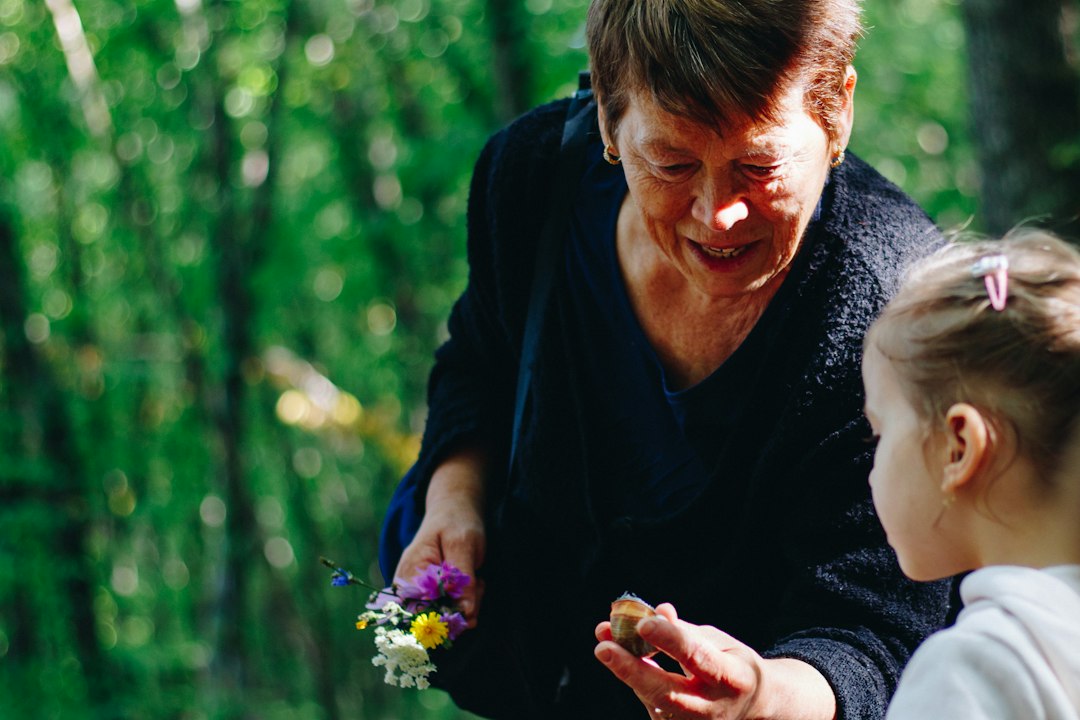
- Nature programs. Dr. Wartski says local park programs, ones that focus on insects, plants, birds, and trees, can be ideal for shy children. A 2024 study published in Nature Cities found that natural spaces can help lower anxiety and increase a sense of calm. The environment is quieter and more externally focused, which Dr. Wartski says can be genuinely soothing for a child’s nervous system.
If your grandchild is on the quiet side, the goal is not to change who they are. It is to find the right door. Sometimes all it takes is a paintbrush, a swimming lane, or a pile of LEGO bricks, and a grandparent who shows up to cheer them on.