
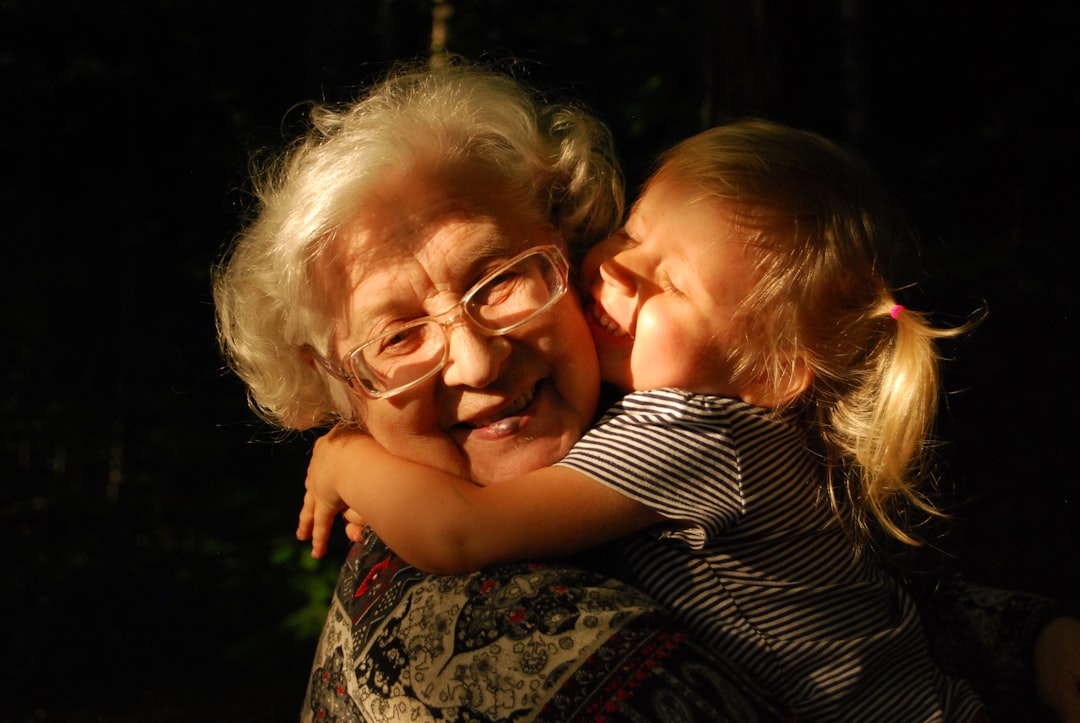
The bond between a grandparent and grandchild is something special. Family psychologists say it is not something to take for granted, either.
“Trusted adults beyond just parents are more important than ever,” says Dr. Matthew Leahy, PhD, a clinical psychologist. He notes that grandparents can interact with grandchildren in ways that are “markedly different from parents, ways that can be enriching and even fun.”
Dr. Shannon Franklin, PsyD, a licensed psychologist at Element Q Healing, agrees. She told Parade the bond gives a child “an additional source of stable and loving support” beyond the home. And it works both ways. “The bond is also an opportunity for the grandparent to experience a sense of belonging and relevance to the younger generations,” she adds.
So what do the grandparents with the closest bonds actually do? Four family psychologists weighed in. Here is what they said.
7 Things Grandparents With the Closest Bonds Do
1. They respect the parents’ rules
This one comes first for a reason. Dr. Deborah Vinall, PsyD, LMFT, Chief Psychological Consultant with Recovered.org, says grandparents need to honor the limits parents set: around sugar, screens, and everything in between.
“Children feel safest and most connected when there is no friction between the adults in their lives,” she explains. “Understand that their parents know the children best and generally have their needs and best interests in mind when they set limits.”
2. They ask better questions
If all you get back is “fine” and “okay,” the fix might be in how you ask. Dr. Franklin suggests swapping “How did you do at school?” for something like “What were you laughing about today?” or “What are your interests these days?”
“The desire here is to show an interest rather than interrogate,” she says. “When there isn’t pressure to provide a specific response, children will be much more apt to express themselves.”
3. They step into the grandchild’s world
Yes, even if that means quoting the latest movie or learning the name of a pop star you have never heard of. Dr. Franklin says taking an interest in what matters to your grandchild sends a clear message: “What is important to you is also important to me.”
It does not have to be your thing. It just has to be theirs.
4. They listen before they fix
When a grandchild shares a problem, the instinct is often to jump in with a solution. Dr. Franklin says the better move is to listen first.
“When children feel that grandparents listen first to their thoughts and feelings without immediately giving them solutions, those grandparents create an atmosphere of trust,” she explains. “At times, a child may want only comfort, curiosity or confirmation, not necessarily a solution.”
5. They make grandchildren feel like the center of the universe
Dr. Leahy says most grandparents love their grandchildren deeply. But the ones with the closest bonds make that love visible. A fridge covered in drawings. A basket full of small gifts from the school holiday fair. A face in the stands at every game or recital.
“Kids see this and notice it,” he says.
6. They share the family story
Nobody else can do this the way you can. Dr. Amy Vigliotti, PhD, founder of SelfWorks, says grandparents hold a unique piece of every grandchild’s history.
“They are the proud holders of the child’s history that happened before they were both,” she says. Sharing memories, stories from a different time, and a side of their parents that only you have seen, that is a gift no one else can give.
7. They let the relationship grow and change
The overnight weekends may taper off as grandkids get older. Friends and peers become more central in the teen years. Dr. Leahy says grandparents with strong bonds do not fight this, they adapt.
“The relationship with their grandchildren needs to, and will, adapt over time, and they don’t try to fight it,” he explains. Giving teens a little space while staying present is its own form of showing up.
3 Tips for Long-Distance Grandparenting
Miles between you and the grandkids does not have to mean distance in the relationship. Here is what the psychologists recommend.
1. Pick a regular time and stick to it
Dr. Leahy says consistency is everything when you cannot be there in person. A set day and time for a video chat, even a quick one, keeps you part of everyday life. “Kids know their grandparents are still there and thinking about them, even if they are miles away,” he says.
Dr. Vinall adds that as grandkids get older and get their own phones, reach out to them directly. A warm “thinking of you” text goes a long way and shows them they matter to you as individuals.
2. Remember the small stuff
You do not need a birthday or graduation to check in. Dr. Franklin says remembering a friend’s name, asking how a game went, or sending a quick hello before a big performance creates “a sense of continuity that is felt far beyond those special moments.”
“Understanding the little things about their daily life,” she says, “can sometimes bring them closer to you than larger one-time gestures.”
3. Do something together, even from a distance
Dr. Franklin points out that long-distance calls can start to feel like a string of questions. The fix is a shared activity. Read the same book. Watch the same show. Cook the same meal at the same time.
“This gives the child something to talk about naturally,” she says, “and helps them have memories that will last from a distance.”
You do not have to be in the same room to be close. You just have to keep showing up.