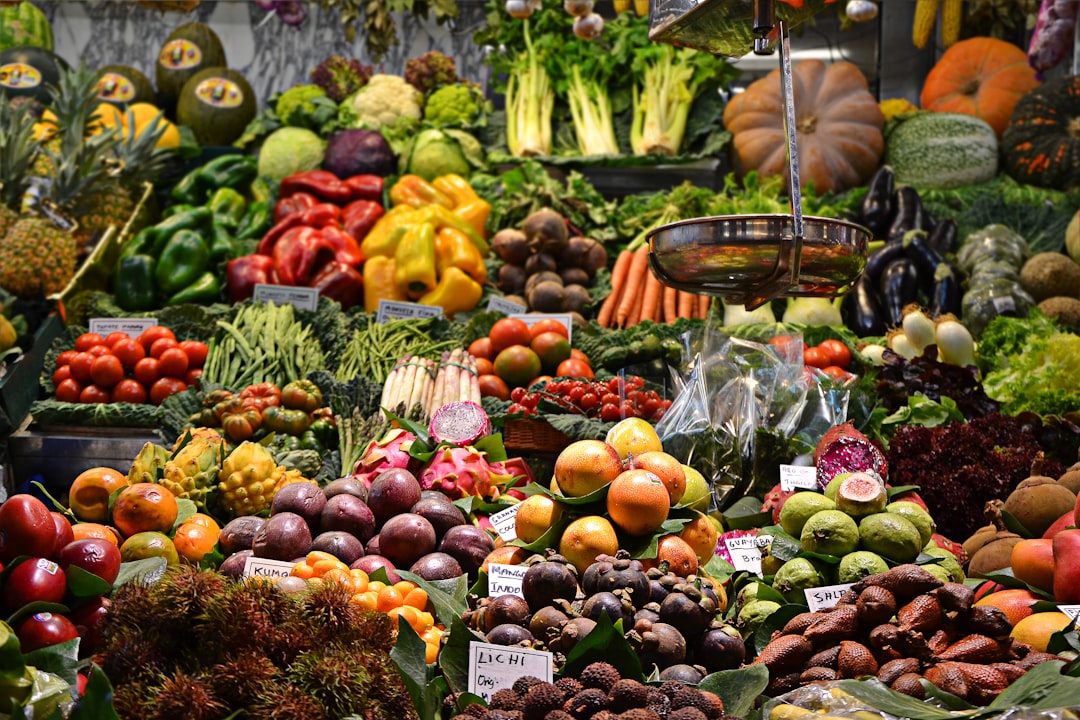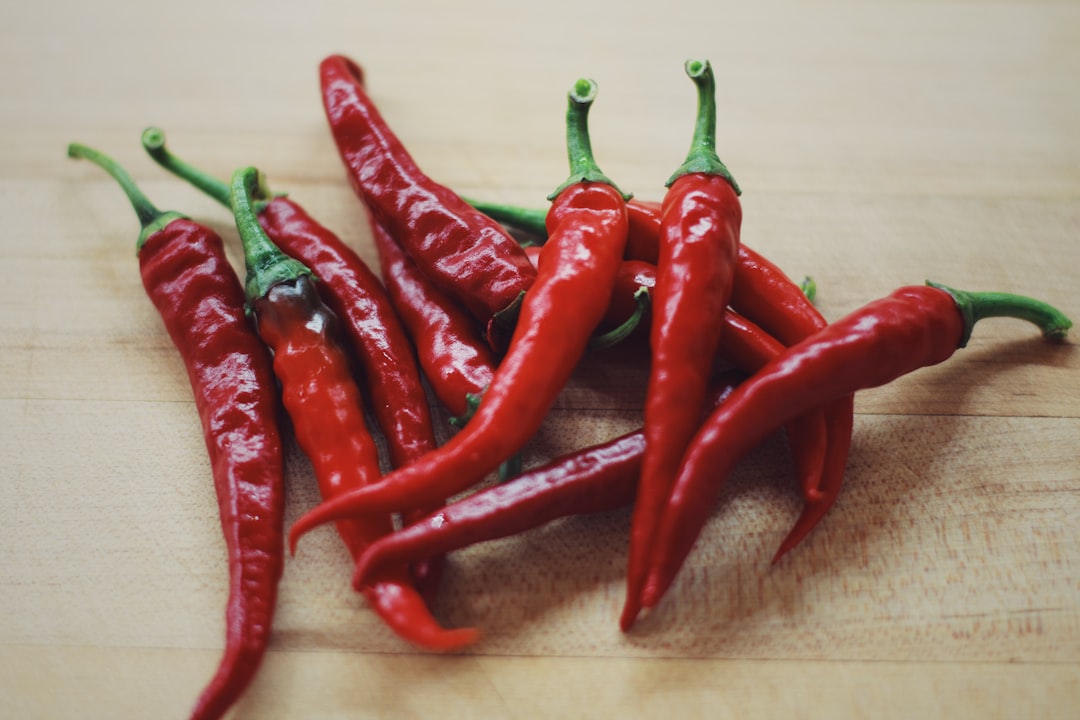
Whether you love a good kick of heat or you reach for the water glass at the first hint of spice, chili peppers have been part of cooking for a very long time. But there is a lot about these fiery little fruits that most people (even devoted spice fans) never knew.
Here are five facts about hot peppers that just might change how you look at them next time you are in the kitchen.
Chili Peppers Beat Oranges for Vitamin C
Oranges have been the poster child for vitamin C ever since the early 1900s, when orange juice companies built entire marketing campaigns around it. Those campaigns worked almost too well.
Here is what they did not tell you: one cup of raw red chili peppers delivers 364 milligrams of vitamin C. A typical orange gives you about 95.8 milligrams per cup. That means chili peppers pack roughly four times as much vitamin C as an orange.
Part of the reason is that vitamin C is essential to a pepper’s own growth. It acts as a natural antioxidant, protecting the plant from environmental stress. Early scientific studies also focused heavily on oranges as a source of vitamin C and largely overlooked peppers, which helped cement the orange’s reputation.
And that is not all peppers bring to the table. They are also a good source of vitamin B6, which supports metabolism, and vitamin K1, which helps keep bones and kidneys healthy.
Meet Pepper X: the World’s Hottest
Since 2023, the hottest pepper on the planet has been Pepper X. It ranks at 2.693 million units on the Scoville scale, a measurement system created in 1912 by pharmacologist Wilbur Scoville to rank pepper heat levels.
To put that in perspective, a typical jalapeño ranges from 2,000 to 8,000 Scoville units. Pepper X is hundreds of times hotter than that.
The pepper was developed by American chili breeder Ed Currie, the same man who created the Carolina Reaper. The Reaper held the top spot from 2013 to 2023 at 1,641,000 units. For Pepper X, Currie crossbred a Carolina Reaper with a mystery pepper, resulting in something even more intense.
In an interview with Scientific American, Currie said Pepper X is delicious in hot sauce and salsa, but he said he would not recommend eating it raw. He reported that it took him five to six hours to recover from the stomach cramps after doing just that. The seeds are not yet available to the public.
Birds Love Hot Peppers and Help Them Grow
The heat in a chili pepper comes from capsaicin, and that compound only bothers mammals. Birds, reptiles, and amphibians simply do not have the pain receptor (TRPV1) that makes capsaicin feel hot.
That means a parrot or iguana could eat a raw Pepper X without any trouble at all. And birds actually do eat peppers regularly. They swallow the seeds, fly to a new location, and deposit them in their droppings, helping the plants spread naturally.
There is one unusual exception among mammals, though. Tree shrews can also eat hot peppers without feeling the burn. They carry a genetic mutation that prevents capsaicin from activating their TRPV1 pain receptors the way it does in other mammals.
Thousands of Varieties From Just Five Species
You might be surprised to learn that all the peppers you know and love (jalapeños, habaneros, ghost peppers, cayenne, tabasco) come from just five domesticated species of the plant genus Capsicum. All five originated in South and Central America.
Here is a quick look at what each species gives us:
- Capsicum annuum — jalapeños, poblanos, cayenne
- C. chinense — habaneros, scotch bonnets, ghost peppers
- C. frutescens — tabasco peppers
- C. pubescens — rocoto, manzano, locoto peppers
- C. baccatum — Lemon Drop pepper, aji amarillo
Beyond these five, there are around 26 wild Capsicum species in nature. But these five domesticated ones are responsible for virtually everything on your spice rack.
The Seeds Are Not the Hottest Part
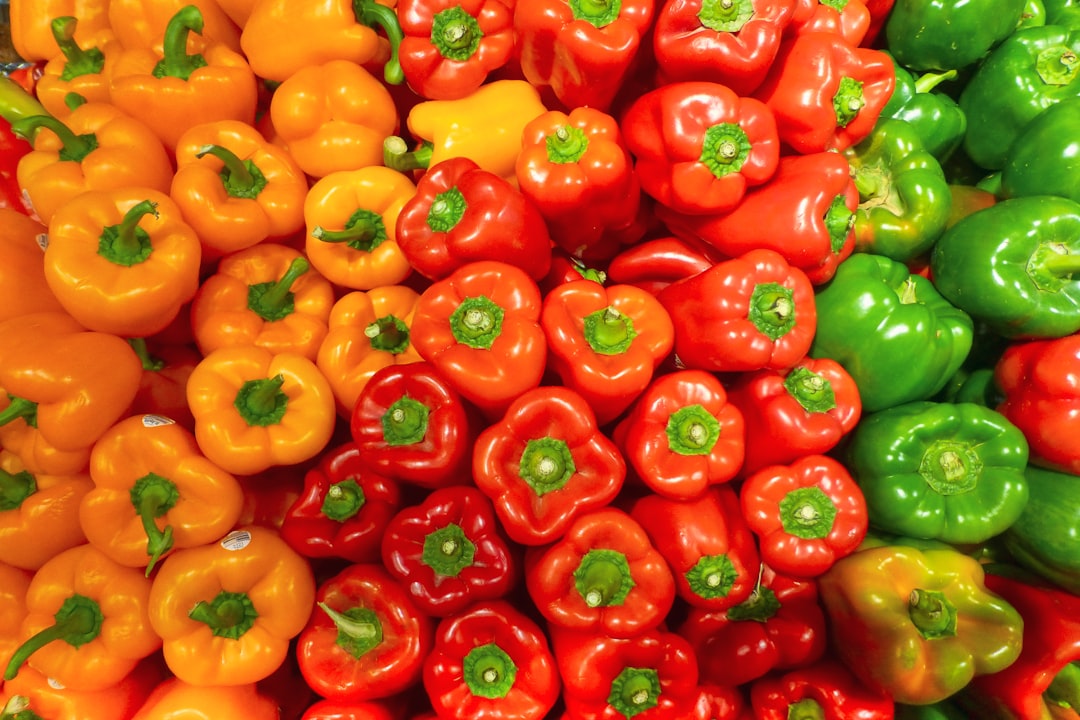
Here is something most home cooks get wrong. When you slice open a chili pepper, the seeds do carry some heat, but they are not the hottest part. The real firepower lives in the white membrane inside the pepper, called the pith.
In a jalapeño, the pith contains 512 milligrams of capsaicin per kilogram. The seeds come in at 73 milligrams per kilogram. The flesh itself? Just 5 milligrams per kilogram. That makes the pith roughly seven times hotter than the seeds and more than 100 times hotter than the flesh.
So the next time you want to dial down the heat in a recipe, skip the seeds and go straight for that white membrane. Removing it will make a much bigger difference than anything else you can do.