If Italy is on your travel wish list, gelato is probably part of the fantasy. And why not? There is nothing quite like sitting in a sunlit piazza with a cone of something cold and delicious.
But here is what most tourists never hear: a lot of those picture-perfect gelato shops (especially the ones near the big sights) are selling something that barely deserves the name. Local Italians say much of it is pumped full of air, artificial colors, and artificial flavors. You are paying a premium for something that is not the real thing.
The good news is that real gelato is not hard to find once you know what to look for.
Look at How It Is Stored
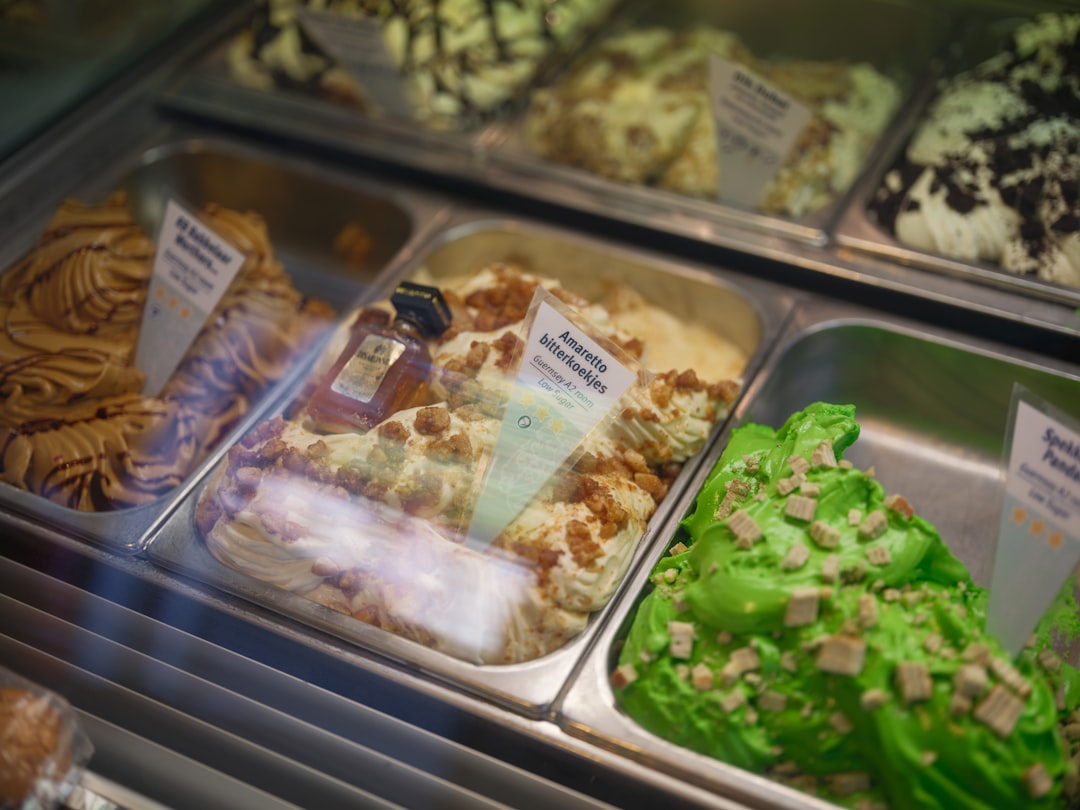
Authentic gelato is dense, not fluffy. It is packed into a cup or cone with a flat paddle, not scooped like American ice cream. It lies flat in the container, not piled high in dramatic swirls.
Roman tour guide Val explains it plainly: those big colorful mounds are there to impress you. Shops whisk air into the gelato to make it puff up. Then it deflates by evening. You are literally paying for air, as Val puts it.
Real gelato is often stored in stainless steel canisters set into the counter, sometimes with lids. The producer wants to keep it as fresh and cold as possible, not put on a show.
Check the Colors
Color is one of the easiest tip-offs. Three flavors are especially useful to check: pistachio, banana, and mint.
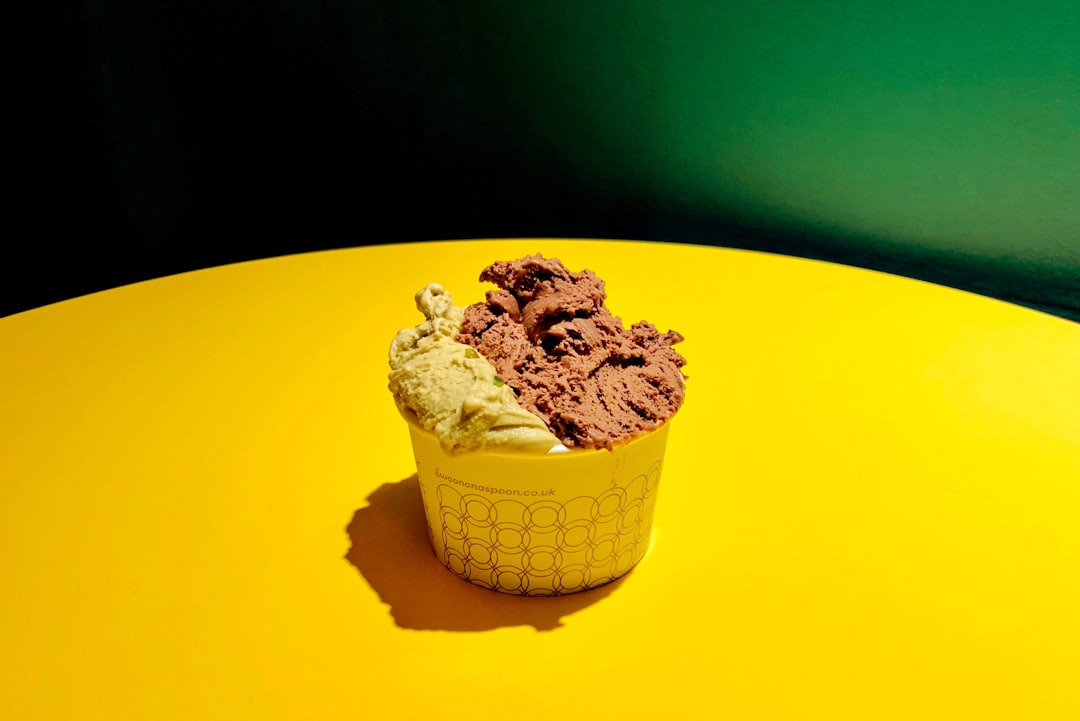
- Pistachio should be a dull, brownish-green. Not bright green. Val describes it as almost ugly, but delicious.
- Banana should be off-white, not yellow. As Val notes, we do not eat the peel, so there is no reason for it to be yellow.
- Mint gets its flavor from an extract, which does not change the color. Any green from fresh mint leaves will be pale and subtle, never neon.
If you see brilliant blues, hot pinks, or vivid greens, that shop is using artificial colors. And if they cut corners on color, they are almost certainly cutting corners on flavor, too.
How to Find the Good Stuff
Look for a sign that reads gelateria artigianale, which means artisanal gelateria. These smaller shops take their craft seriously and use real, seasonal ingredients. The colors will naturally be softer and more muted as a result.
Ask a local for a recommendation if you can. The best gelato shops are often a short walk away from tourist crowds and every bit worth the trip.
That walk through a quiet Italian side street, ending with a scoop of something genuinely made with care? That is the real Italy.