

You have probably gotten the call. Or the text. Or the email that felt just a little bit off. Scammers are out there every day, and according to the FBI, they are zeroing in on people our age more than anyone else.
The numbers are sobering. In 2023, adults aged 60 and over lost $3.4 billion to fraud. That was up 11 percent from the year before. The average victim lost $33,915. And while 101,000 seniors reported being affected, only 18,000 victims under the age of 20 filed complaints. We are being targeted at a rate no other age group comes close to matching.
The Scams You Are Most Likely to Encounter
The FBI report breaks down which scams show up most often. Tech support scams led the list by a wide margin, 17,696 complaints in 2023 alone. These typically start with a pop-up on your screen or a call from someone claiming to be from Microsoft or Apple. They will ask for money or remote access to your device.
Personal data breaches came in second, with 7,333 complaints. That means someone stealing your identity or account information. Other common scams include romance scams, where an online relationship turns into a request for money, investment scams pitching fake opportunities, and non-payment scams where someone falsely claims you owe money.
Red Flags That Give Scammers Away
Most scams share a few telltale signs. Watch for these:
- High pressure to act fast. Scammers want you to decide before you think it through.
- Threatening language. Real businesses do not threaten you.
- Requests for gift cards, cryptocurrency, or wire transfers. These are harder to trace, which is exactly why scammers prefer them over credit cards or bank transfers.
- Emails with bad grammar, misspellings, or strange email addresses. Legitimate companies proofread their messages.
Simple Steps to Keep Your Money Safe
You do not need to live in fear of every phone call. But a few habits can make a real difference in protecting your savings.
- Do not share personal information with anyone who contacts you out of the blue, especially over the phone.
- Verify before you trust. If someone claims to represent a company or agency, hang up and call that organization back using its official number.
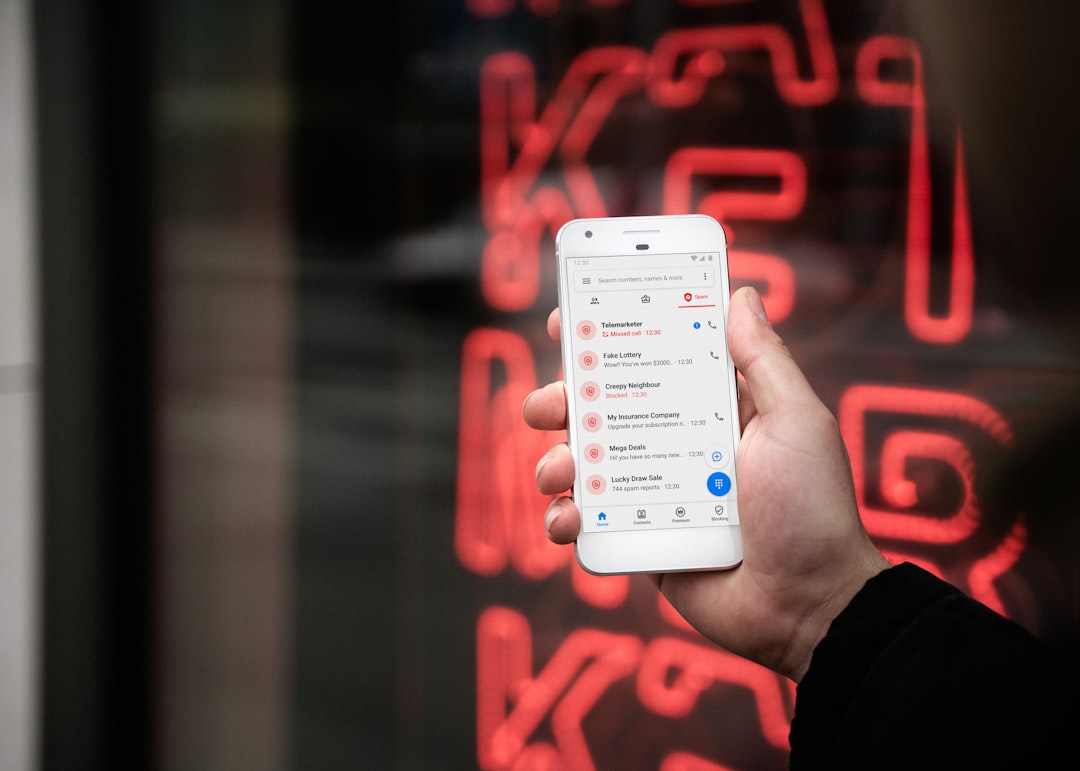
- Set up call blocking and email filters to automatically screen out suspected scammers.
- Check your financial statements regularly for transactions you do not recognize.
- It is perfectly fine to hang up. If you brush off someone who turns out to be legitimate, no honest business will hold that against you. Better safe than sorry.
If You or Someone You Know Gets Hit
Acting quickly can limit the damage. Start by calling your bank or credit card company right away. They can freeze your accounts or issue new ones to cut off the scammer’s access.
Then report it to the Federal Trade Commission at reportfraud.ftc.gov. You can also file a report with your local police department. If you think your identity was stolen, contact the credit bureaus directly.
And do not go through it alone. The National Elder Fraud Hotline is available at 833-FRAUD-11.
The scammers are persistent. But so are we.