Retirement hands you something you spent decades wishing for: time. The question is what to do with it.
Not every activity is going to stick. Not every hobby that sounded appealing at fifty will feel right at sixty-five. The goal is finding something that fits your energy, your budget, and your personality right now, not some earlier version of yourself.
The good news? There are more good options than most people realize. And the payoff goes well beyond just having something to do.
Why Hobbies Actually Matter for Your Health
This is not just about passing the time. The National Institute on Aging says hobbies and social activities may help lower the risk of dementia, heart disease, and stroke in older adults. That is a meaningful list.
The CDC adds that regular physical activity can improve sleep, reduce anxiety, and help keep your thinking and judgment sharper as you age. A good hobby is not a luxury. It is part of taking care of yourself.
How to Find the Right Fit
Before you commit to anything, it helps to ask a few honest questions.
- What can your body handle comfortably? Some hobbies, like pickleball or hiking, require more physical effort. Others, like writing, drawing, or genealogy research, are much gentler.
- What does your budget allow? Walking, reading, and volunteering cost almost nothing. Photography and woodworking require more up front.
- Do you want fun, extra income, or both? Some retirees keep hobbies purely for enjoyment. Others turn them into a small side income. Both are fine, just know your goal before you invest time or money.
- What have you always wanted to try? Retirement is a good time to revisit things you already love or finally explore something you never had the chance to.
The best retirement hobby is usually not the most productive one. It is the one you will actually keep doing.
Get Moving: Active Hobbies Worth Trying
The CDC recommends that adults aged 65 and older stay physically active regularly. The good news is that exercise does not have to mean going to the gym.
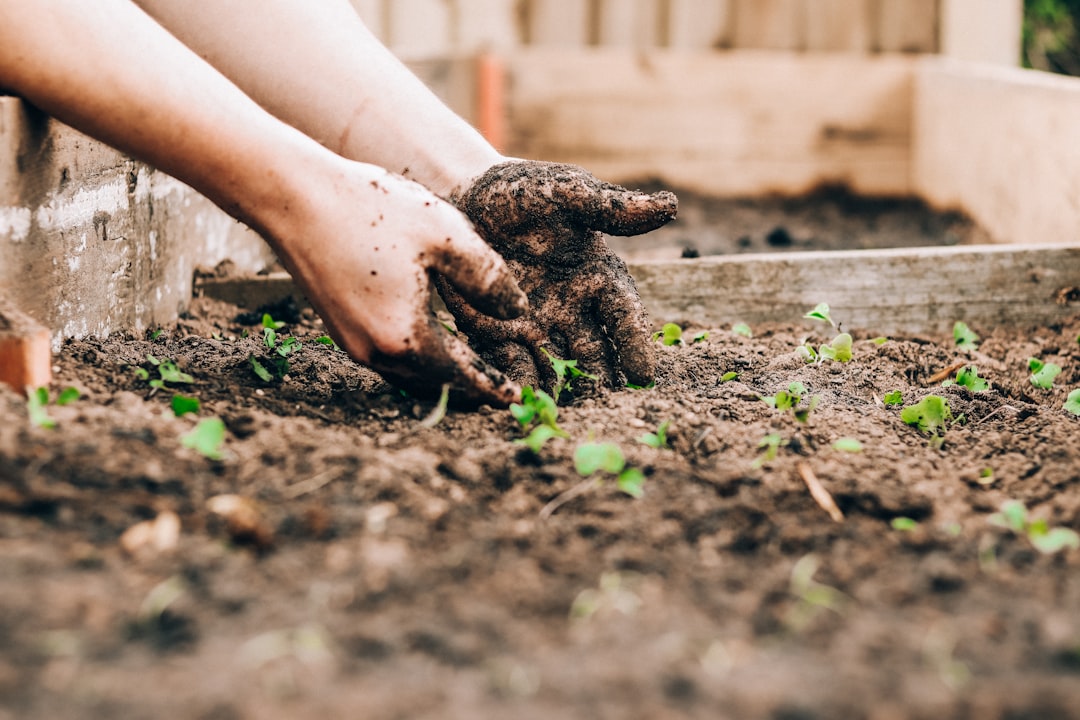
Popular active hobbies include gardening, walking groups, hiking, biking, golf, and pickleball. If motivation is the hard part, pick something that involves other people. Social accountability makes it easier to keep showing up.
Walking groups and gardening are often the simplest places to start. Both are gentle, flexible, and easy to build into your weekly routine.
Stay Connected: Social Hobbies That Fight Isolation
Retirement can quietly reduce the amount of everyday interaction you get. The National Institute on Aging links loneliness and social isolation to higher risks for heart disease, depression, and cognitive decline.
Social hobbies can push back against that. Book clubs, volunteering, cooking classes, travel groups, community organizations, and faith-based groups all provide regular opportunities to be around other people.
If connection is one of your main goals in retirement, this category deserves a close look.
Make Something: Creative Hobbies to Explore
There is real satisfaction in making something with your hands or your mind. The National Institute on Aging points to music, theater, dance, and creative writing as activities that have shown promise for improving well-being, memory, self-esteem, and social interaction in older adults.
Creative options worth exploring include painting, drawing, writing, blogging, photography, woodworking, and crafting. These are especially rewarding if you enjoy having a project you can build on and improve over time.
Keep Your Mind Sharp: Intellectual Hobbies
If you want to stay mentally engaged, the National Institute on Aging says that learning new skills may help older adults maintain cognitive health.
Good intellectual hobbies include learning a new language, taking online courses, doing genealogy research, playing chess, working puzzles, and joining reading groups. These are a strong fit if you enjoy problem-solving or want a hobby that feels genuinely energizing rather than just relaxing.
Can a Hobby Also Earn You Some Extra Money?
Some can, yes. The best income-producing options are usually hobbies that either create something people want to buy or use a skill people will pay for.
Options that can bring in extra income include selling handmade crafts, photography, blogging, freelance writing, tutoring, pet sitting, dog walking, and consulting in your former career field.
That said, not every hobby needs to become a side hustle. If turning it into income would make it feel stressful, you may enjoy it more by keeping it just for yourself. Enjoyment is still a perfectly valid return.
Great Hobbies That Cost Almost Nothing
You do not need to spend much to find something meaningful. Some of the easiest hobbies to maintain are also the cheapest.
- Walking
- Reading
- Volunteering
- Gardening from seeds
- Knitting
- Free online courses
- Writing
- Local library events and programs
These are worth considering if you want something worthwhile without adding a new recurring expense to your budget.
You Do Not Need Just One
Many retirees are happiest with a small mix, maybe one active hobby, one social hobby, and one quiet hobby they can enjoy on their own. There is no rule that says you have to pick just one and stick with it forever.
A good place to start is with a single hobby that fits your energy level, your budget, and your genuine interests right now. You can always add more as you go. The easiest way to build a satisfying retirement routine is simply to begin with something you actually want to do.