

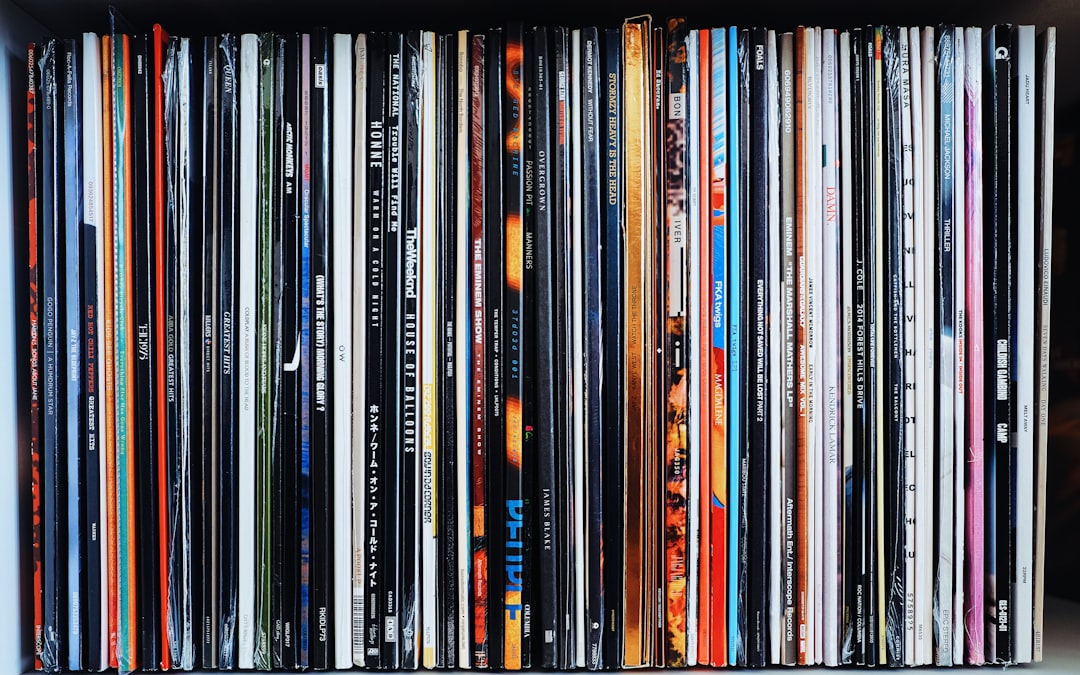
There was a time when buying music meant bringing home something physical. Before the record played, the cover had already begun shaping the album’s experience. People studied the artwork, unfolded lyric sheets, read liner notes, and stared at photographs while listening from beginning to end.
When people think of Abbey Road, London Calling, The Dark Side of the Moon, Thriller, or Nevermind, they think just as much of the artwork as the songs. Album covers weren’t solely packaging—they were part of how the music was understood and remembered.
The Cover Created a First Impression
Before hearing a single song, people often formed expectations from the album itself:
- Bold colors conveyed energy.
- Black-and-white photography suggested something serious or reflective.
- Handwritten lettering felt personal.
- Surreal artwork hinted at experimentation.
The visuals gave a preview of the emotions contained within the album.
Listening Was Often More Intentional
Playing an album usually involved sitting down and actively engaging with it. Records needed flipping. Cassette tapes required rewinding.
Because of these demands, people typically stayed physically near the stereo, which meant they naturally spent more time looking at the cover while listening. That artwork then became intricately connected to the sound through repetition.
Album Covers Expressed Identity
Music collections often made the personal public. Albums sat on shelves, leaned beside record players, or were carried to friends’ houses. Certain covers became instantly recognizable symbols of taste, mood, or belonging.
Music has long been part of our cultural consciousness, and physical albums helped communicate our identity to the world.
Physical Details Added Depth
Many albums included details that listeners explored repeatedly:
- lyrics printed inside
- thank-you notes
- photographs from recording sessions
- illustrations
- hidden visual jokes
- gatefold artwork spread across multiple panels
These details contributed to the experience of the album as a whole, making it more immersive and helping people form deeper connections with artists.
Artwork Prompted Shared Discovery
Album covers also provoked conversation. Friends browsed each other’s collections, remarked on striking visuals, debated designs, or discovered unfamiliar artists simply by noticing an interesting cover leaning against a wall.
Visual identity became a social as well as artistic component of the music, piquing interest and helping the music travel from person to person.
Certain Covers Became Tied to Specific Periods
Because albums were physical objects handled repeatedly, they often became deeply ingrained in memory. A worn corner, a crease in the sleeve, or faded artwork could immediately transport a person back to a specific time or place: the first night in a new apartment, a long drive for a family vacation, or a summer afternoon spent talking with a friend.
As the music played through it, the object itself carried emotional history.
Why This Matters
Album covers mattered because they made music physical. They gave people something to hold, study, display, and associate with specific periods of life.