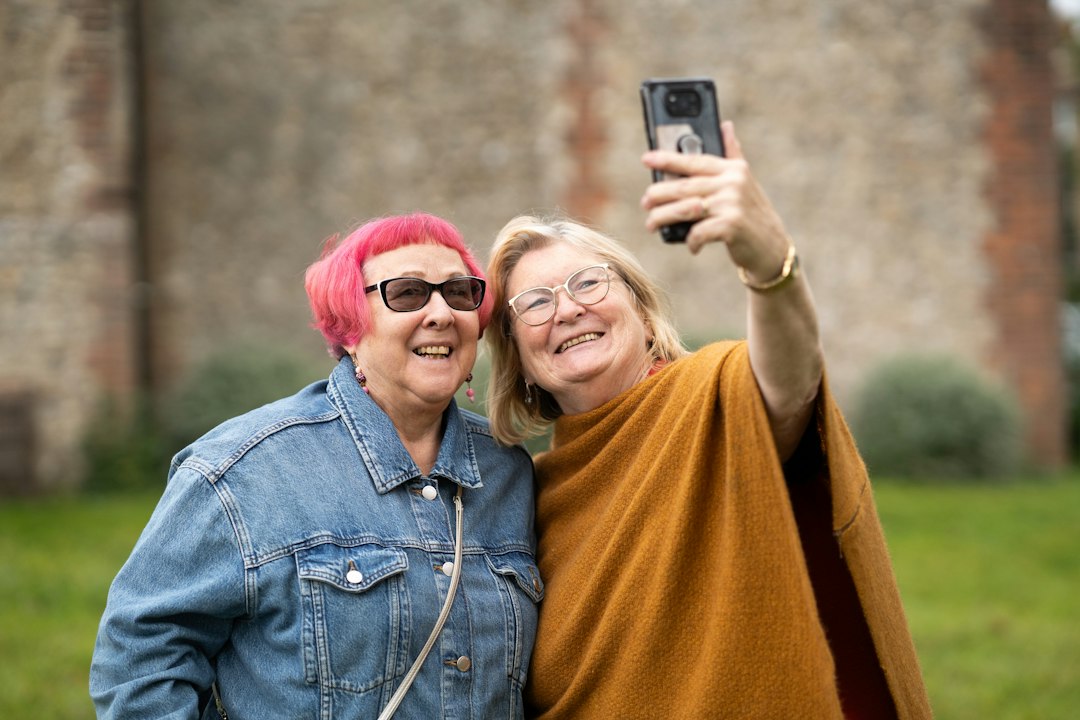

Staying active doesn’t always mean doing more — it often means going out more intentionally. For many people over 65, being out and about remains an important part of feeling connected, capable, and engaged with the world beyond home.
Leaving the House Creates Mental Shift
Stepping outside changes perspective. A walk to the café, a visit to the library, or attending a regular class interrupts the sameness that can quietly settle in at home. Even familiar destinations feel different than staying in — sounds, conversations, and movement provide stimulation that doesn’t require effort.
Familiar Public Places Create Belonging
Being out doesn’t have to mean novelty. Returning to the same places builds recognition. The barista who knows your order, the librarian who greets you by name, the group that meets at the same time each week — these repeated interactions create a sense of belonging without needing deep conversation. Simply being recognized matters.
Errands Become Social Anchors
Ordinary errands can serve a social purpose when they’re spaced and intentional. A weekly grocery trip at the same time, a standing appointment at the market, or stopping by the same bakery on Fridays adds rhythm to the week. These routines place you in the flow of daily life rather than observing it from the sidelines.
Being Seen Reinforces Identity
Going out affirms that you’re still a participant in public life. Choosing what to wear, deciding where to go, navigating the world on your terms — these small acts reinforce independence and confidence. Being visible isn’t about attention; it’s about presence.
Short Outings Still Count
Being out and about doesn’t require long days or packed schedules. A 20-minute walk, a brief visit, or one activity in the morning is often enough. The benefit comes from crossing the threshold to the outdoors — not from how long you stay.
Why This Still Matters
Regularly being out keeps life outward-facing. It maintains connection, variety, and a sense of movement — even when days are otherwise calm.