

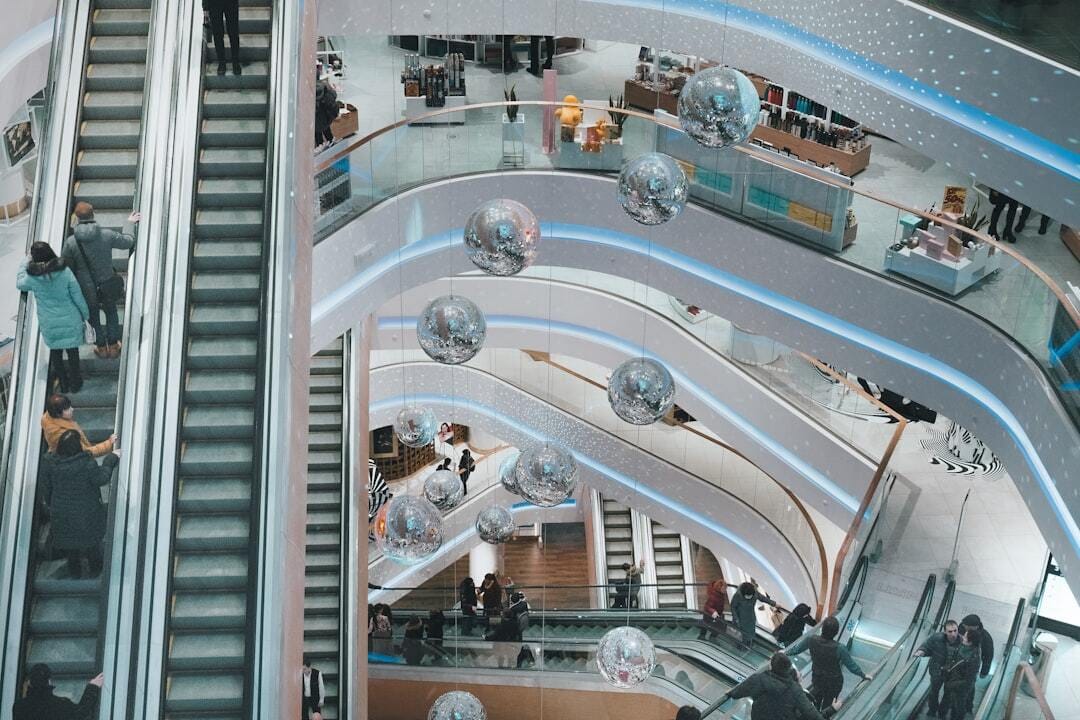
Department stores were once more than places to shop. They were landmarks, meeting places, and shared reference points in daily life. Long before online ordering or big-box convenience, these stores shaped how people dressed, socialized, and even marked time.
A Place Where Everyone Went
Department stores served the entire community. Families visited together, often making a full outing of it. Parents browsed household goods while children were fitted for school shoes. Teenagers wandered around cosmetics or record counters. Older adults met friends near familiar departments. You didn’t need a special reason to go — the store itself was the reason.
Seasonal Events That Marked the Year
Many people remember department stores as the backdrop for seasonal rituals. Holiday window displays drew crowds. Back-to-school shopping signaled summer’s end. December meant decorated floors, staffed gift-wrapping stations, and sometimes a visit with Santa. These traditions gave structure to the calendar and made seasons feel distinct.
Personal Service and Familiar Faces
Sales clerks often worked the same departments for years. They knew regular customers by name, remembered sizes and preferences, and offered honest opinions. Buying a coat or suit involved conversation and care, not speed. This personal attention created trust — and a sense that the store belonged to the people who shopped there.
A Public Space Without Obligation
Department stores also functioned as neutral social spaces. You could walk through and browse without buying anything. You might run into neighbors, pause for lunch at the café, or simply enjoy being around others. In smaller towns especially, the store acted as a quiet community hub.
Why the Memory of Those Stores Still Matters
What people miss isn’t just the merchandise — it’s the experience. Department stores represented reliability, shared routine, and connection. They offered a place where daily life overlapped, where generations crossed paths, and where shopping felt woven into the community.