If your knees have started objecting to the workouts you used to enjoy, you are not imagining things. Blood vessels can stiffen with age, which makes the heart work harder. Lung capacity declines a little, too. And joint pain from the compression of high-impact exercise: running, jumping is one of the most common reasons older adults step back from staying active.
But stepping back is the last thing you want to do. The good news is that there is a workout that sidesteps all of those problems. Physical therapists say tai chi walking may be one of the best exercises seniors can do and it could not be gentler on your body.
What Is Tai Chi Walking?
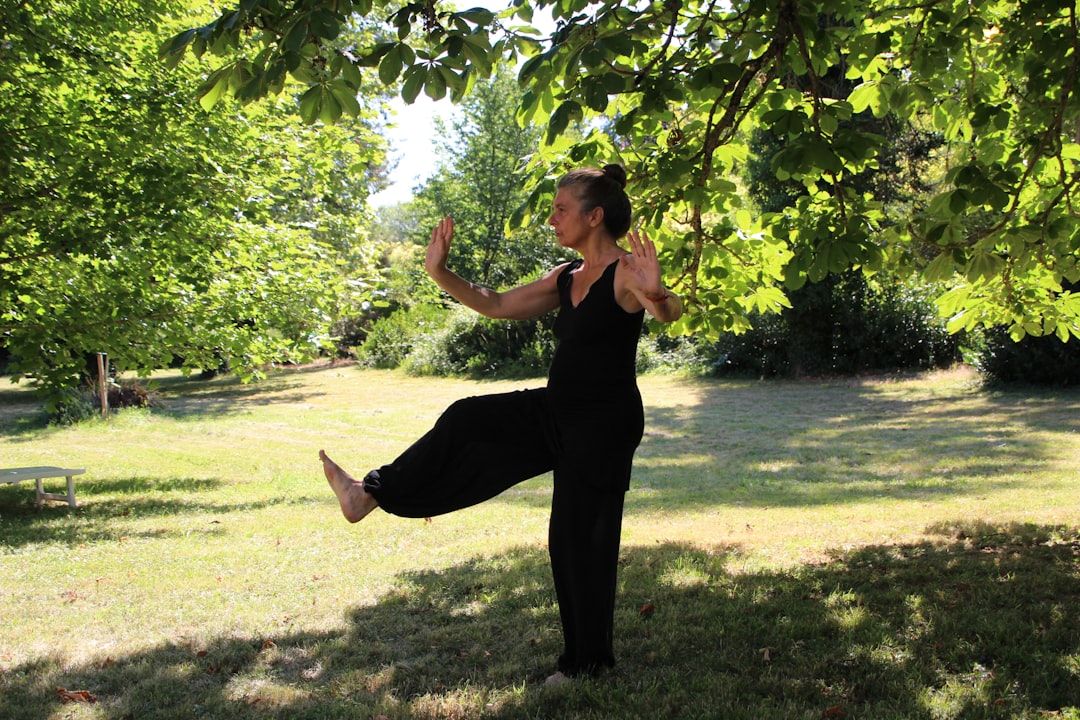
Tai chi walking is a slow, mindful walking style rooted in the principles of tai chi. Raymond Li, a personal trainer and tai chi teacher at Manhattan Tai Chi, describes it this way: “It may look simple from the outside; slow steps, gentle weight shifts, but internally a lot is happening.”
According to Li, tai chi walking involves body alignment, rotation along the body’s vertical axis, single-leg balance, controlled weight shifting, and coordination of movement with breathing. Every step is deliberate. Nothing is rushed.
Why It Is So Good for Seniors
Regie Tiu, a physical therapist and founder of Restore Plus Physical Therapy in Long Island City, New York, puts it simply. “Tai chi builds strength through slow, controlled movements instead of using heavy weights,” he says. “It strengthens the muscles without stressing the joints. The slow pace also trains balance and coordination, which most seniors need.”
Dr. Syd Young, a physical therapist and founder of Out Wellness, zeroes in on the fall-prevention benefit. When you walk tai chi-style, you shift your full weight onto one leg before the other foot leaves the ground. Each step lands slowly and on purpose.
“That trains single-leg stability, ankle and hip control and proprioception, your body’s sense of where it is in space, which are the exact systems that erode with age,” Dr. Young explains.
Li adds that tai chi walking engages multiple systems at once: muscles and joints, posture and alignment, coordination, nervous system response, and body awareness. “As we age, these systems often decline, especially if we become more sedentary. Tai chi walking helps by training all of them at once,” he says.
The numbers back this up. Dr. Young points to a 2019 study published in JAMA showing that a therapeutic tai chi program reduced falls in high-risk older adults by 58 percent compared with a stretching program, and by 31 percent compared with a conventional multimodal exercise program.
Li explains why tai chi walking is so effective at preventing falls specifically. “Many falls happen during transitions, when shifting weight from one leg to the other, turning or changing direction. Tai chi walking trains these transitions in a slow, controlled way,” he says.
Because it is low-impact, tai chi walking puts no pressure on joints. Dr. Young notes that joint pain is one of the biggest reasons older adults stop moving, and that inactivity then accelerates the very decline they are worried about. The American College of Rheumatology and the Arthritis Foundation strongly recommend tai chi in their clinical guidelines for knee and hip osteoarthritis.
How to Get Started Safely
Before you jump in, a word of caution from the experts. Tiu recommends working with a physical therapist first if your balance is already poor, since tai chi walking requires holding your weight on one leg. Dr. Young adds that anyone with a history of falls, dizziness, neuropathy, or a recent surgery should check with a physician or physical therapist before starting.
Once you have the green light, here is what the experts suggest:
- Look for a tai chi walking class in your area. Search Google for tai chi plus your city. Many gyms, parks, and senior centers offer classes.
- Start by practicing standing on one leg before you try the full walking movement. Get comfortable there first.
- Try your first steps alongside a stable countertop until the single-leg movements feel steady.
- Wear no-slip shoes every time.
- Go slow, slower than you think you need to. Tiu says the most common mistake he sees is rushing. “I see people rush through it just so they can get the movement done,” he warns.
And keep at it. Dr. Young emphasizes that consistency is what delivers results. “Five to 10 minutes a day does more than one long session a week because balance is a skill your nervous system rebuilds through frequent practice,” they say.
This is not a workout with an expiration date. Li describes tai chi walking as a lifelong activity that supports the body no matter how old you are. The more you practice, the steadier you will feel on your feet.