Most homes contain at least one room that changes over time: a formal dining room rarely used anymore, a guest room that slowly filled with storage, a basement once filled with activity that now sits mostly quiet.
Homes evolve alongside the people living in them, and certain rooms reveal those shifts most clearly.
Some Rooms Were Built for Earlier Stages of Life
Many homes started out organized around routines that fade away as life circumstances change. Nothing exemplifies this better than changes related to children.
As children grow older, they no longer need play spaces. Then, as they leave the house to start their own lives, their bedrooms take on new purpose. And with fewer people in the house—and, over time, with holidays and other events taking place elsewhere—a formal dining room is no longer warranted.
As life changes, certain spaces change to match it. While the room itself might not change, the rhythms around it certainly do.
Daily Life Moves Toward Comfort and Functionality
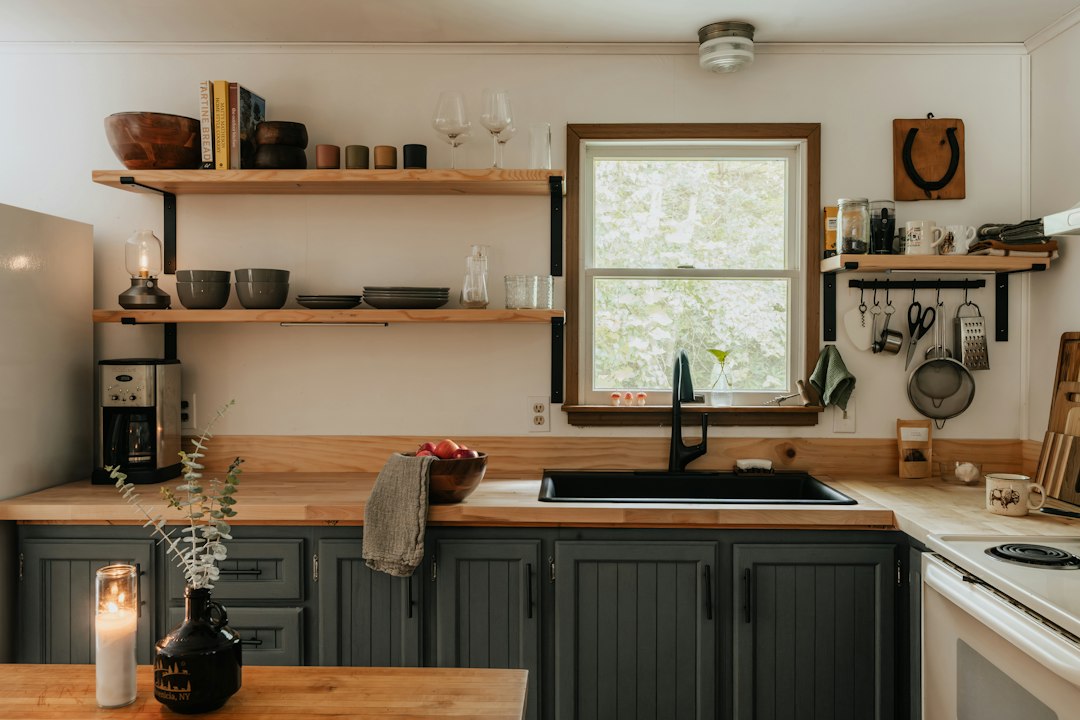
Over time, people tend to gather where life feels easiest. A kitchen table or counter replaces the formal dining room. A cozy chair near a window becomes preferable to a larger sitting room used mainly for appearances.
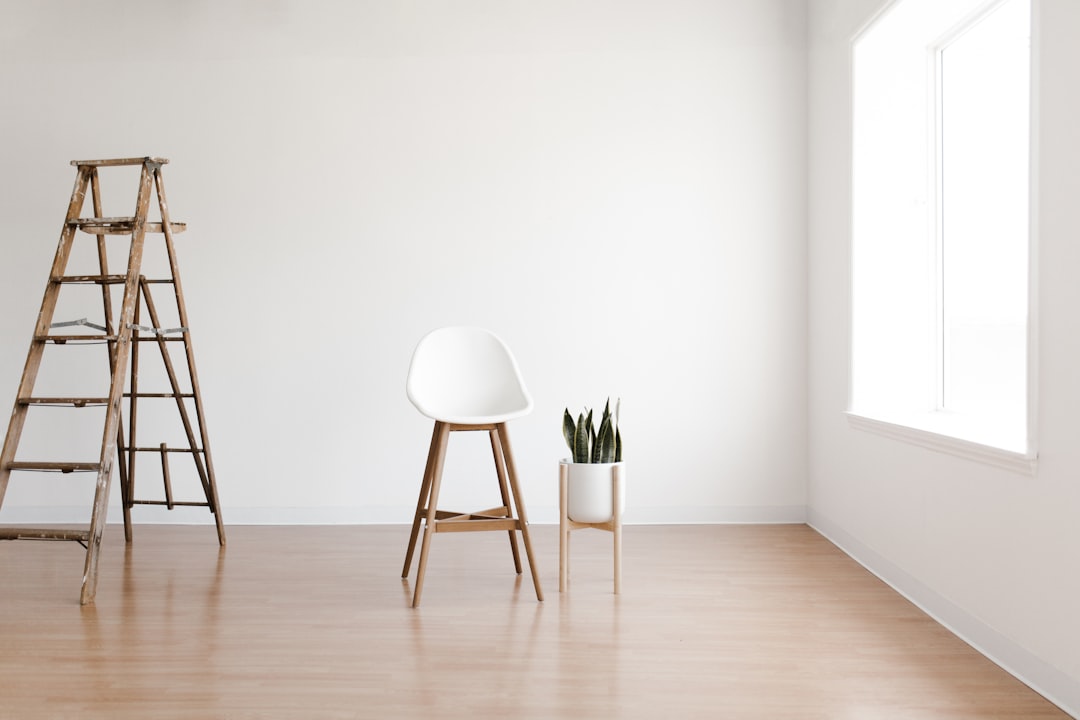
Likewise, unused rooms frequently evolve into something more practical. An empty bedroom may take on various new purposes:
- craft room
- reading space
- storage area
- home office
- yoga studio
As homes gradually reorganize themselves around actual use rather than intended design, spaces evolve to match our habits. Some change to align with comfort and others to reflect current interests..
Some Rooms Carry Emotional Weight
At the same time, certain spaces become harder to use because they remain strongly connected to earlier periods of life. A room associated with large family gatherings, a former bedroom, or a once-busy part of the house may carry important memories long after the circumstances behind their purpose recede.
When this is the case, people sometimes seek to preserve the space as it was, whether consciously or unconsciously. Along the way, they also tend to stop using these rooms, as they no longer drift toward them naturally.
Some Rooms Return to Life
Interestingly, years after they felt out of use, spaces sometimes become useful again in entirely different ways. A dining room serves as an ideal space for grandchildren doing crafts. A spare bedroom turns into a music room or library.
Homes continue to evolve because the people inside them—both residents and visitors—continue evolving too.
Why This Matters
The rooms people use most often reveal how life is actually being lived in the present moment. As routines, relationships, priorities, and forms of comfort evolve over time, the spaces we occupy evolve along with them.