
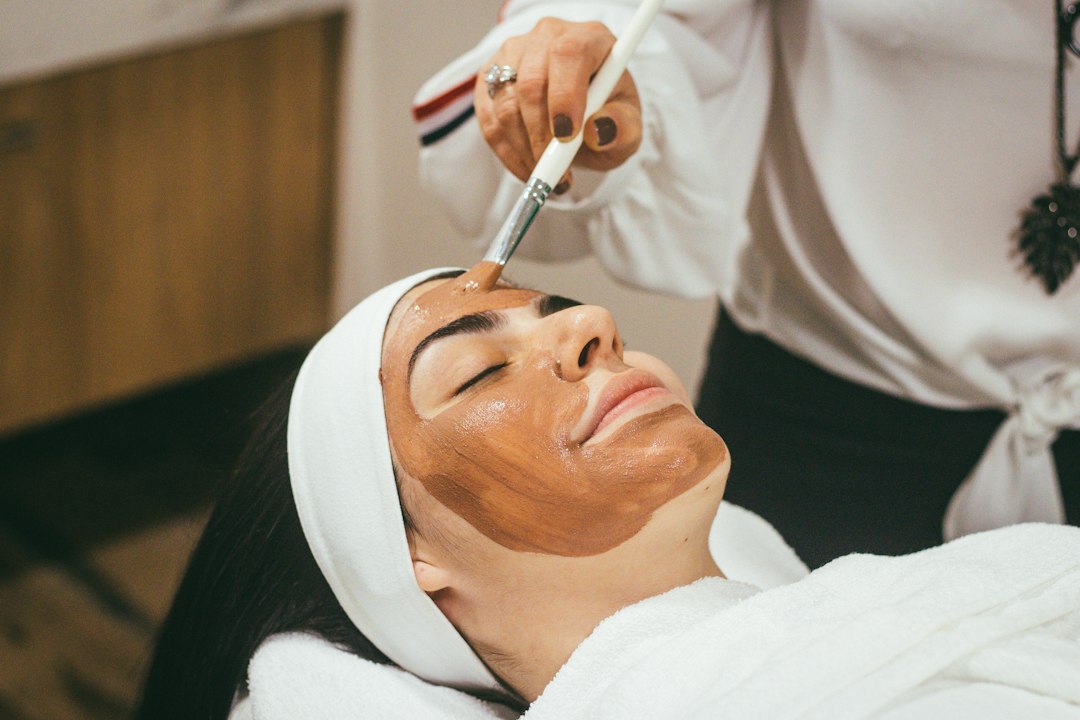
That smooth, glowing feeling after a good scrub is awfully satisfying. It is easy to see why so many of us reach for an exfoliant several times a week. But for skin over 50, more is not better. According to two board-certified dermatologists, it can actually make things worse.
Dr. Marisa Garshick of MDCS Dermatology in New York City and Dr. Melanie Palm, founder of Art of Skin MD in Solana Beach, California, both told Parade the same thing: start with once a week and pay attention to how your skin responds.
Why Your Skin Needs a Gentler Touch Now
Here is what changes as we age. Cell turnover slows down, so dead skin cells sit on the surface longer. That actually makes exfoliation more useful than it was in your younger years.
At the same time, the skin barrier becomes less resilient. It produces less oil, loses moisture more easily, and has a harder time bouncing back from irritation.
“The aggressive exfoliation someone tolerated in their 20s and 30s may suddenly leave their skin red, flaky or uncomfortable in their 50s,” Dr. Palm explains. Hormonal changes around menopause can add to that dryness and sensitivity, leaving what she calls “simply less room for error.”
What to Use Instead of a Harsh Scrub
Both doctors lean toward gentle chemical exfoliants over physical scrubs for mature skin. Dr. Garshick explains that chemical exfoliants loosen dead skin cells without as much friction, making them less likely to cause tiny tears in the skin.
Dr. Palm is a fan of lactic acid. “You’re getting that smoothing and brightening effect without being overly aggressive,” she says, “and lactic acid also has humectant properties, which is helpful for skin that tends to become drier with age.”
She also recommends something called gommage, a very gentle form of physical exfoliation where the product lifts away dead cells as you massage it off, without the harsh particles found in a traditional scrub. “For someone who likes that immediate smooth feeling but has more mature or sensitive skin, gommage can be a really nice option,” she says.
What both doctors steer clear of: coarse scrubs and anything that requires vigorous rubbing. “You don’t need to be aggressive with mature skin to get a good result,” Dr. Palm says.
Signs You Have Gone Too Far
Your skin will tell you if it has had enough. Dr. Garshick lists redness, burning, stinging, increased dryness, flaking, and tightness as signs you are over-exfoliating. Dr. Palm adds a shiny or almost “polished” look to that list, along with the feeling that everything in your routine suddenly seems irritating.
“That is usually your skin barrier telling you it has had enough,” Dr. Palm says.
If that happens, Dr. Palm recommends stopping exfoliation temporarily and going back to basics: a gentle cleanser, a moisturizer, and sunscreen, nothing more until the skin feels normal again.
Special Situations to Know About
If you have rosacea, eczema, very dry or sensitive skin, or a compromised skin barrier, Dr. Garshick says it is important to be conservative and, in some cases, to skip exfoliation entirely until the skin has calmed down. Exfoliating during a rosacea flare can make things worse, not better.
Dr. Palm also cautions anyone already using a retinoid. Since retinoids increase cell turnover on their own, adding a strong exfoliating acid several nights a week can quickly become too much. The same goes after laser treatments, chemical peels, or other in-office procedures; exfoliation needs to take a back seat while the skin heals.
A Few Final Tips Worth Remembering
Dr. Garshick reminds us that exfoliants can make skin more sensitive to the sun, so proper sun protection is a must when exfoliation is part of your routine.
And Dr. Palm wants to clear up a long-standing misconception: “Don’t mistake irritation for effectiveness. There is still this idea that if a product tingles, burns or makes you peel, it must be working. That’s simply not true.”
She puts it all in perspective: “Daily sunscreen, a good moisturizer and evidence-based actives such as a retinoid or antioxidant generally matter far more to the long-term health and appearance of mature skin than how aggressively you exfoliate.”
The bottom line from both doctors is refreshingly simple: start with once a week, choose a gentle formula, and always follow with SPF.