
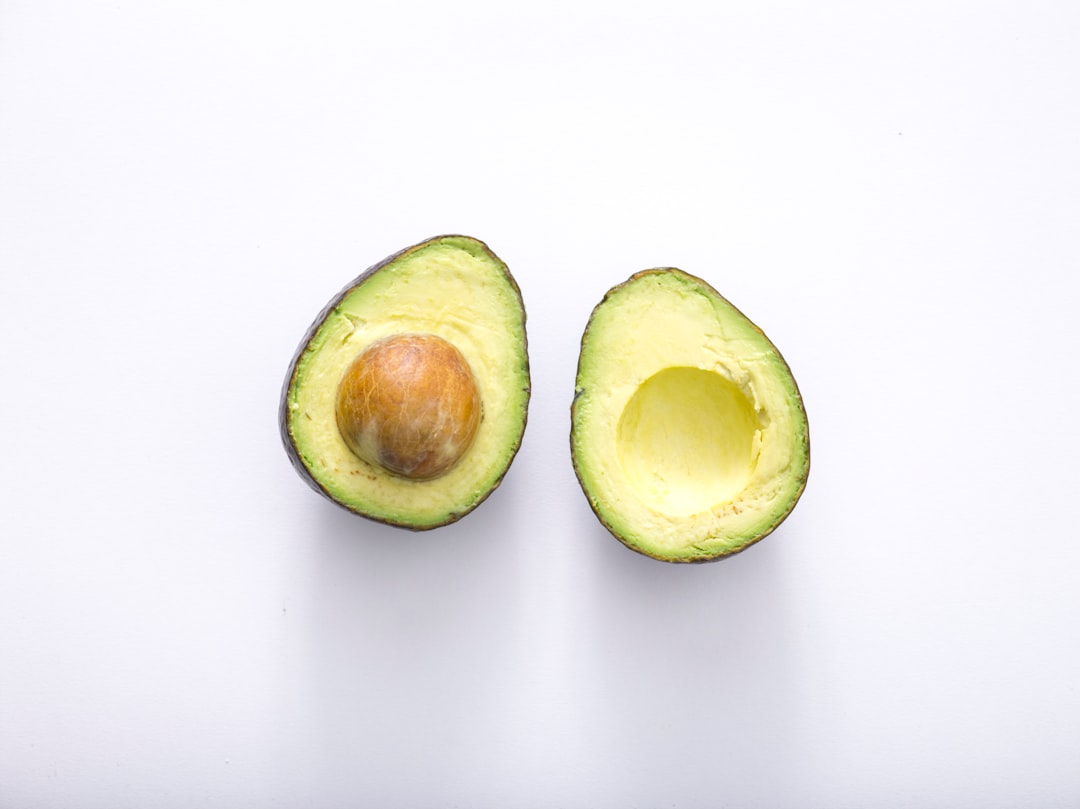
Here is something worth knowing before your next doctor’s visit. According to the Centers for Disease Control and Prevention, roughly 10 percent of Americans have high cholesterol and many of them have no idea. There are no symptoms. You feel perfectly fine. But when it goes untreated, high cholesterol raises the risk of heart attack and stroke.
The good news is that what you eat makes a real difference. And one food that two cardiologists are enthusiastic about is one you may already enjoy: avocado.
Why Avocado Is Good for Your Cholesterol
Dr. David Sabgir, MD, a cardiologist with OhioHealth and founder of Walk With A Doc, says avocados are rich in monounsaturated fats. Specifically, a fat called oleic acid makes up between 50 and 71 percent of the oil in avocados. That is the fat people mean when they say avocados have “the good kind.”
Dr. Sabgir points to multiple studies showing that eating avocado regularly can lower total cholesterol by about 6 to 7 mg/dL and LDL, the “bad” cholesterol, by about 6 mg/dL. For people who already have high cholesterol, the drop in LDL is even larger, roughly 9 mg/dL.
How does it work? Dr. Sabgir explains that unsaturated fat helps the liver work more efficiently. It increases the number of LDL receptors on liver cells, tiny docking stations, as he describes them, that pull bad cholesterol out of the bloodstream and clear it away.
The Swap That Makes the Biggest Difference
Avocado’s benefit is even more powerful when it replaces foods high in saturated fat, like butter. Dr. Sawallah Guseh, MD, director of the cardiovascular performance program at Massachusetts General Brigham Heart and Vascular Institute, puts it simply: saturated fat tends to raise LDL cholesterol.
Dr. Sabgir points to a 2022 scientific study showing that when people replaced butter, cheese, and added sugars with one avocado per day, LDL cholesterol particles dropped by almost 14 percent. That is a meaningful change from one straightforward substitution.
Saturated fat does the opposite of what you want; it increases LDL production while also reducing the liver’s ability to clear it from the blood. The result, as Dr. Sabgir describes it, is more bad cholesterol circulating in the arteries.
The Fiber Factor
The healthy fat is not the only thing working in avocado’s favor. Both cardiologists point to fiber as another key reason the fruit supports healthy cholesterol.
Dr. Guseh explains that a medium avocado contains about 2 to 3 grams of soluble fiber, which can reduce LDL by decreasing cholesterol absorption.
Other Heart Benefits Worth Knowing
Lowering LDL is not the only way avocado helps your heart. Half an avocado delivers about 345 milligrams of potassium, roughly 7 to 8 percent of the daily recommended intake, according to Dr. Sabgir. Potassium and sodium work in opposite directions: sodium raises blood pressure, while potassium helps bring it down.
Avocado is also high in antioxidants, like other plant-based foods. A diet rich in antioxidants is scientifically linked to a lower risk of heart disease. And Dr. Sabgir adds that avocados contain folate, another nutrient associated with a lower risk of cardiovascular disease.
How to Work Avocado Into Your Meals
Both cardiologists are clear that avocado is not a silver bullet. It should be part of a broader heart-healthy diet, not a replacement for cholesterol-lowering medication if your doctor has prescribed one.
The goal is pairing avocado with other good foods. Dr. Guseh suggests combining it with whole-grain toast, tomatoes, eggs in moderation, leafy greens, beans, lentils, salmon, tuna, grilled chicken, or a whole-grain wrap. The idea is to pair it with fiber-rich, minimally processed foods rather than refined carbohydrates or foods high in saturated fat.
The more plant-based foods you include in your daily eating, the better your heart health tends to be. Avocado is a delicious, practical place to start and it happens to do your cholesterol a real favor along the way.