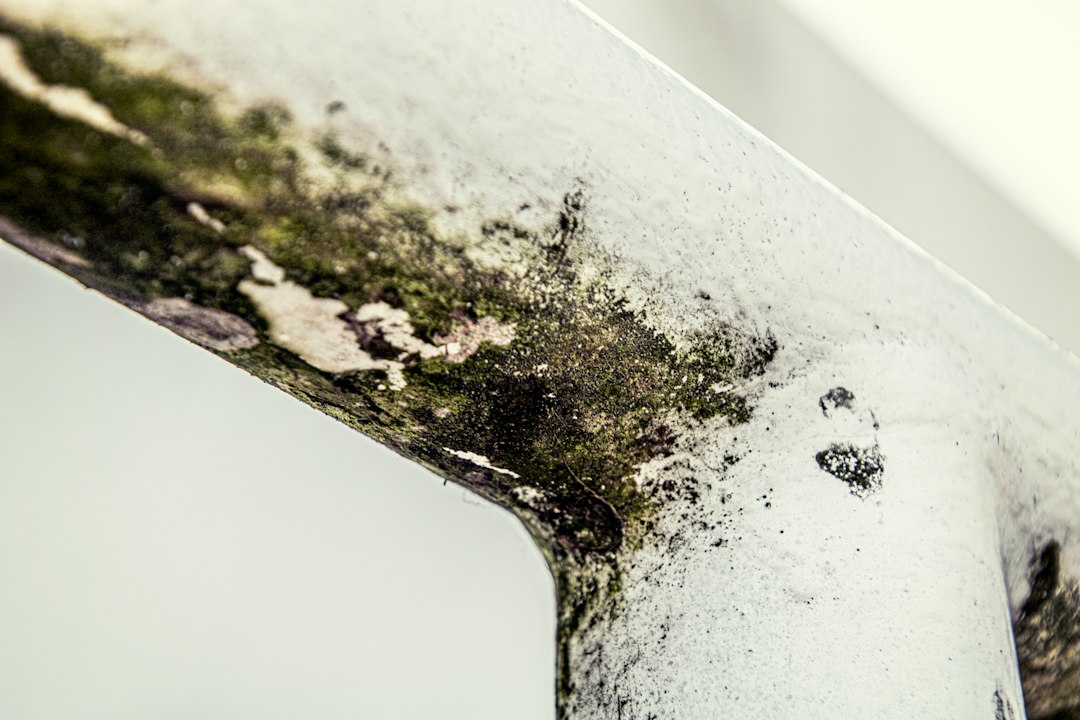
You bite into something and notice a fuzzy spot. Or you finish half a piece of bread before spotting the green patch on the other end. It happens to all of us. The question is: how worried should you be?
The honest answer is: it depends.
When Mold Is Truly Dangerous
Some molds produce toxic compounds called mycotoxins, per 10Almonds. Certain molds that grow on barley, wheat, corn, and peanuts can produce carcinogenic aflatoxins, a serious enough concern that many countries routinely test their food supplies for them.
That said, accidentally swallowing a small amount of ordinary spoilage mold rarely causes serious illness. Allergic reactions, vomiting, and diarrhea are possible. But our bodies also have a built-in defense: an evolutionary aversion to unpleasant flavors that helps steer us away from potentially dangerous food.
Why Cutting Off the Moldy Part Often Is Not Enough
Here is something a lot of people do not realize. Mold develops an invisible root-like network called mycelium that grows down into food, well beneath the surface you can see.
Cutting away the visible mold does not necessarily remove that underlying contamination. So trimming the bad spot and eating the rest is not always the safe move people assume it is.
Heat and Cold Do Not Always Save You Either
It is tempting to think cooking or freezing will solve the problem. Unfortunately, it is not that simple.
High temperatures can kill mold, but not necessarily its spores, so the mold may be gone without truly being eliminated. Refrigeration slows mold growth, but some species survive even freezing temperatures. And quite a few thrive in the damp corners of a refrigerator.
The safest approach when you spot mold? When in doubt, throw it out.


