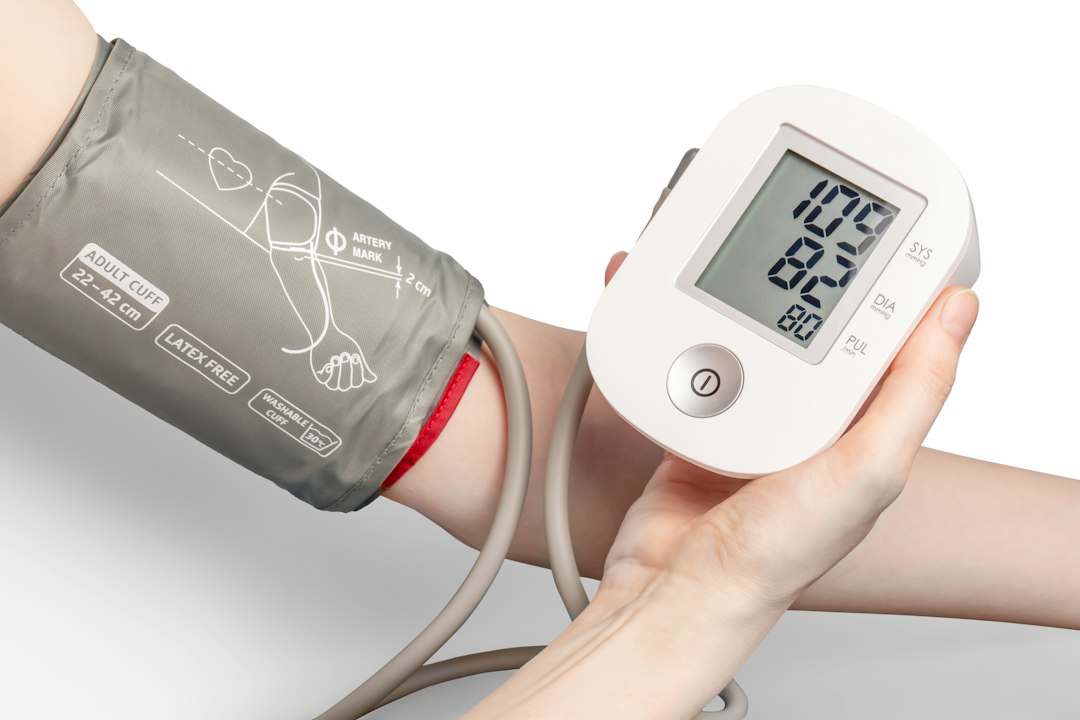

Staying sharp matters just as much as staying active. The ability to remember, to learn, to hold a real conversation, that is what makes independent life feel full and worth living.
Three brain health experts recently shared what they know about diet and cognitive aging. All three agreed on the same thing: what you eat has a direct effect on how your brain performs as you get older.
And there are four nutrients in particular that most of us don’t get enough of.
Vitamin D: Half of All Older Adults Are Missing
Doctors say vitamin D tops the list of nutrients people overlook.
“As many as half of older adults are lacking in vitamin D,” she says.
That is a serious gap. Doctors explain that vitamin D helps neurons fire properly by regulating how ions pass in and out of brain cells. It also has anti-inflammatory properties and has been shown to promote the clearance of beta amyloid, a substance commonly found in people with Alzheimer’s.
“When you have severe vitamin D deficiency, you double your risk of developing dementia,” she says.
The goal, according to doctors, is to keep blood levels at least 50 nanomoles per liter. To get there, she says most people need 800 to 1,000 international units of vitamin D each day, either from food or a supplement. Higher doses may be needed if you have limited sun exposure, are severely deficient, or are obese.
Good food sources include fatty fish, fortified dairy products, and egg yolks.
Omega-3 Fatty Acids: Good for Your Brain and Your Sleep
Doctors also point to omega-3 fatty acids as another nutrient most people are not getting enough of.
Omega-3s help lower inflammation in the brain. A 2025 study published in Nutrients found that consuming at least 8 grams of omega-3 fatty acids per day is associated with a significantly lower risk of dementia. It is a big reason why omega-3-rich foods are a cornerstone of the MIND diet, an eating plan specifically designed to support brain health. A study published in the journal Alzheimer’s Dementia found that following the MIND diet significantly reduces cognitive decline.
Foods high in omega-3s include fatty fish, chia seeds, flaxseeds, walnuts, and eggs.
There is a bonus here too. Research shows omega-3 fatty acids can also improve sleep quality. A small handful of walnuts before bed, doctors suggest, can make a genuinely good nighttime snack.
Despite their importance, a study published in Nutrition Reviews found that 76 percent of people worldwide are not getting enough omega-3s.
Choline: The Nutrient That Protects Brain Structure
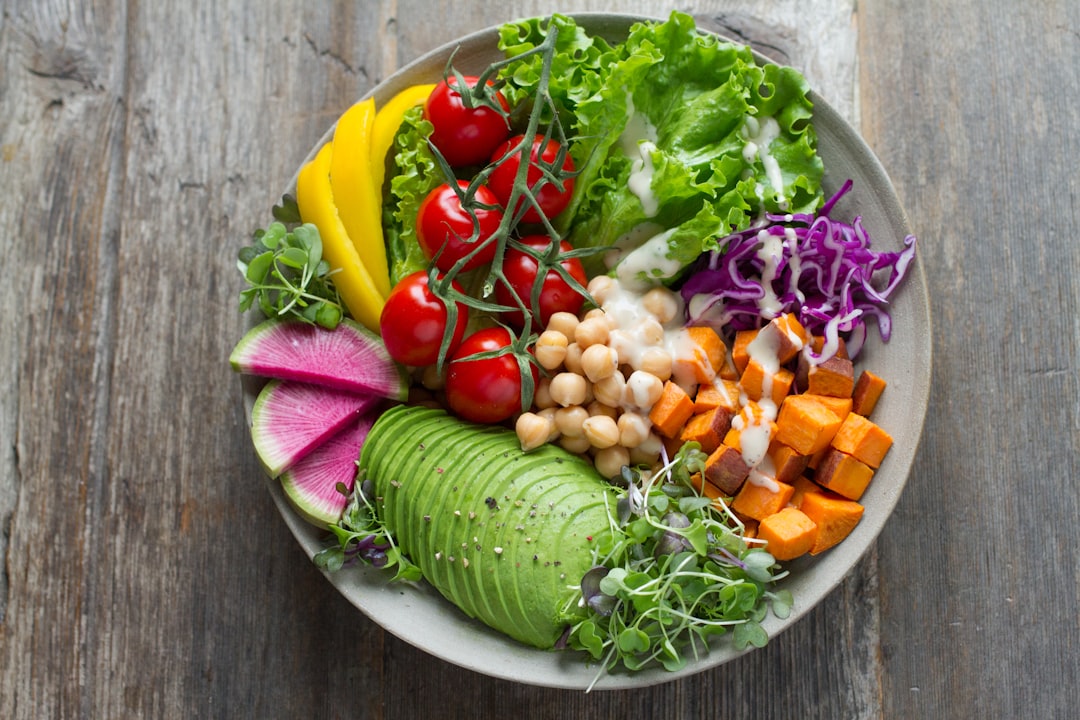
Many of the same foods that give you omega-3s (eggs and fatty fish, especially) also deliver choline, another nutrient doctors say is crucial for a healthy aging brain.
“Choline plays a role in protecting cell membranes and keeping the brain structure healthy,” she explains. “It also reduces homocysteine, which can be toxic to the brain.”
B Vitamins: The Whole Family Matters
Doctors highlight B vitamins as the fourth key group for brain health.
“The B vitamins (which include niacin, folate, B6, and B12) play important roles in brain function, myelination, and cognitive health,” she says. Myelination refers to the protective sheath that wraps around neurons and keeps them working properly.
You will find B vitamins in a wide range of everyday foods: brown rice, green vegetables, potatoes, pasta, eggs, dairy products, legumes, mushrooms, broccoli, citrus fruits, nuts, meat, and fish.
It Is Not Too Late to Start
“Diet plays an important role in cognitive function as we age by providing energy and the proper vitamins and nutrients necessary to reduce inflammation and the risk of cognitive decline,” says doctors. “The foods we eat affect our memory, mood, and overall cognitive function.”
All three experts agree on one more thing: you do not need to have been eating perfectly your whole life to benefit now.
Doctors point to a study showing that adults aged 67 to 75 who adopted the Mediterranean diet experienced real cognitive benefits over the following five years. “There is also data to support that cognitive decline lessens no matter when you start the diet,” she says.
The key is consistency. The more brain-supporting foods you work into your meals, and the longer you keep it up, the better your brain will be supported, both today and down the road.