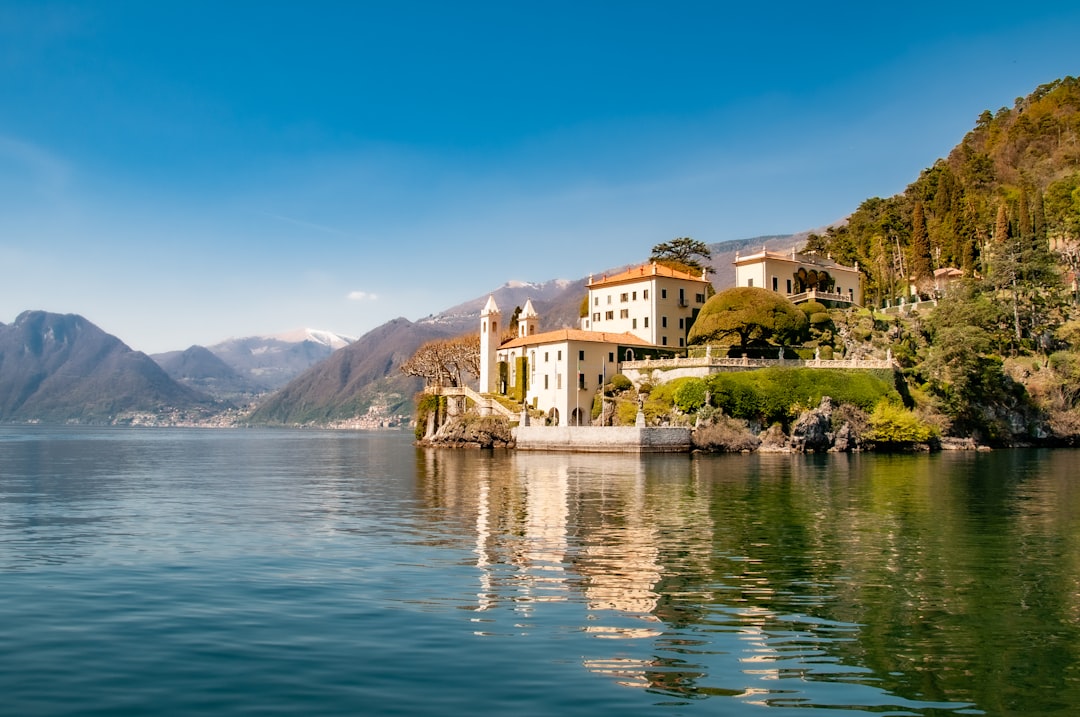

For a lot of us, retiring in Hawaii has been a dream since we first saw those postcard images of white sand and swaying palms. But which town actually fits your life? The answer depends on what matters most to you; budget, weather, healthcare, or how you want to spend your days.
Here is a look at three Hawaiian towns that have real appeal for retirees, along with an honest picture of what it costs to live there.
Hilo: The Most Affordable Town in Hawaii
Hilo sits on the windward side of the Big Island, and it holds a distinction worth knowing: it is the most affordable city in the entire state. It is also the largest city on the island, which means you get more services without the tourist crowd. Downtown Hilo is one of the most walkable areas of any Hawaiian city.
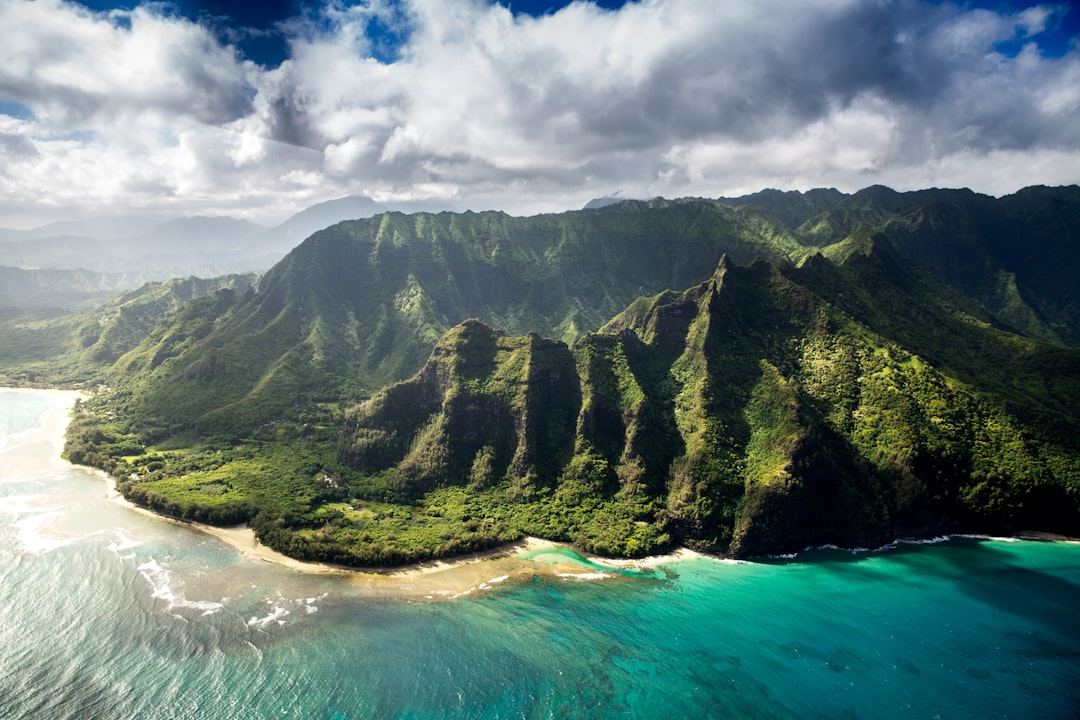
Nature lovers will feel right at home. Waterfalls and rainforests are part of everyday life here. The trade-off is rain, Hilo gets more of it than most Hawaiian cities. If humidity and varying weather do not bother you, it could be a very comfortable and affordable place to settle in.
Waimea (Kamuela): Cool, Calm, and Surprisingly Well-Equipped
Waimea is a small Big Island town that sits at a higher elevation, which means cooler temperatures and lower humidity than the coast. It is famously home to more cattle than people and sits near one of the oldest ranches in the United States. That sounds remote, but it is not.
Waimea has its own hospital, something you will not find in every Hawaiian town, and is considered extremely walkable. The beach is still easily reachable by car, so you get the best of both worlds: a cooler, quieter mountain town with island living just a short drive away.
The North Shore of O’ahu: Active, Community-Minded, and Deeply Beautiful
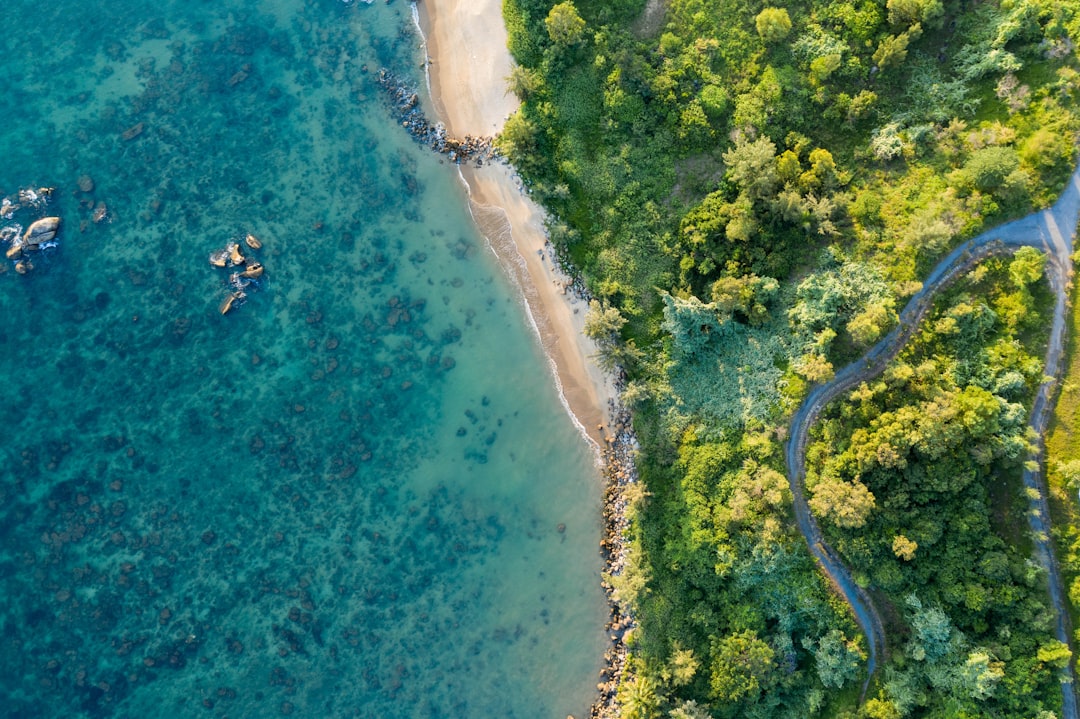
If staying active is your top priority, the North Shore of O’ahu deserves serious consideration. Hiking, swimming, kayaking, fishing, surfing, and scuba diving are all part of life there. The pace is slow and intentional, the community values living mindfully.
The Polynesian Cultural Center is located in the area. Food trucks, shave ice, and a genuine sense of neighborhood make it feel like more than just a beautiful place to look at. It is a place to belong.
What You Need to Know About the Cost of Living
Here is the honest part. Hawaii has the highest cost of living in the United States. Anyone moving from a less expensive state will notice it immediately, especially at the grocery store and gas pump.
These are 2026 price estimates for common goods and services:
- Gallon of milk: $6–$8
- Gallon of gas: $4.80–$5.40 (April 2026)
- Monthly electricity for a small house with AC: around $300
- Movie ticket: $14–$17
- Two-bedroom rental on O’ahu: $2,500–$3,800 per month
- Two-bedroom rental on the Big Island: $1,800–$2,800 per month
- Condo on O’ahu or house on the Big Island: $500,000 and up
Retiring in Hawaii takes planning and a solid monthly income. But for those who make it work, the reward is real: beautiful weather, rich culture, and a pace of life that many say adds something meaningful to their golden years.