
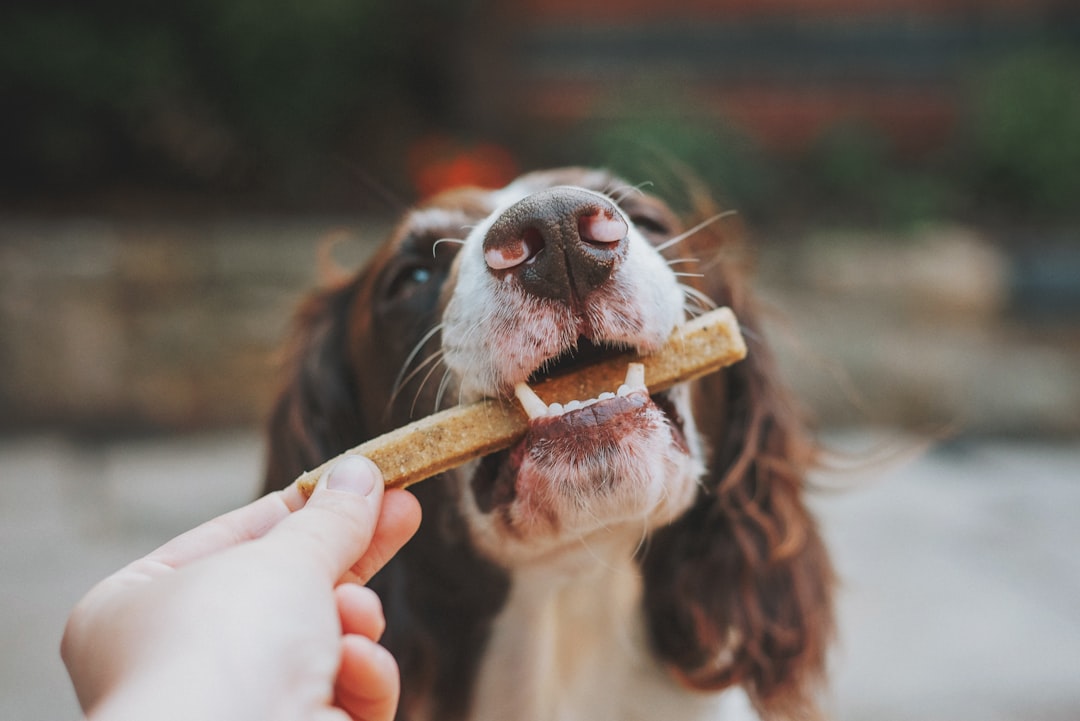
Your dog is eating well. Playing like usual. Acting like everything is fine. So it is easy to let dental care slide to the bottom of the list.
But here is what the source notes: dental health goes a lot deeper than fresh breath. Over time, plaque builds up and can lead to gum disease. That creates inflammation in the body and makes your dog work harder just to stay balanced and healthy.
That inflammation does not always stay in the mouth. There is a known connection between dental disease and other health concerns, including heart issues and difficulty managing conditions like diabetes.
And dogs are remarkably good at hiding discomfort. They keep eating. They keep wagging. Dental pain can go unnoticed longer than most owners expect, simply because our pups do not let on.
Which is why the timeline catches people off guard. The American Veterinary Medical Association points out that by the time a dog is three years old, there is very likely already some early evidence of periodontal disease, and it worsens with age when nothing is done about it.
The Signs That Slip Past Us
Because the discomfort builds slowly, the clues tend to show up as small changes in habit. Things worth watching for:
- Dropping kibble back into the bowl while eating
- Chewing on one side, or tilting the head to favor one side
- A sudden preference for soft food over dry
- Pawing at the mouth or rubbing the face along the carpet
- Breath that has turned genuinely foul and stays that way
- A spot of blood on a favorite toy or in the water bowl
Any one of these on its own may be nothing at all. Showing up together, or repeating over a few weeks, they are worth mentioning at the next appointment.
Small Habits That Make a Real Difference
The good news is that staying on top of this does not have to be complicated. A few steady habits go a long way:
- Regular vet checkups to catch problems early
- Professional dental cleanings as your vet recommends
- At-home care like brushing, dental chews, or dental powders mixed into food
Two things worth knowing when you shop. On chews, treats, and powders, look for the Veterinary Oral Health Council seal on the package. That group reviews the clinical trial data behind these products and awards its seal only to the ones shown to reduce plaque, tartar, or both. Plenty of products on the shelf are flavored treats wearing a dental label.
Second, if you brush, use toothpaste made for dogs. Human toothpaste often contains xylitol, a sweetener that is toxic to dogs and can cause a dangerous drop in blood sugar. Daily is what veterinarians point to as the goal, though a few times a week still beats skipping it, and most dogs come around if you start slow and keep the sessions short.
It is one of those quiet parts of care that does not always get attention. But it pays off over time, keeping your dog comfortable, active, and feeling like themselves.
That is really what all of this is about. More good days together. More of the dog who has been by your side through everything.