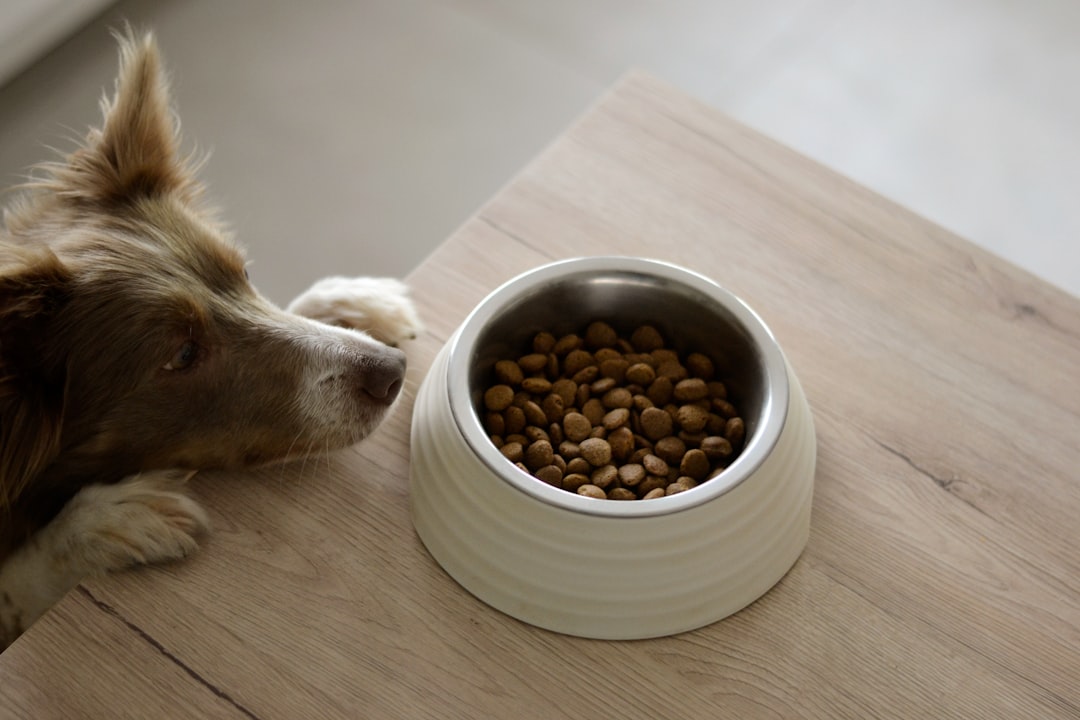
If you have a small dog, you know the dinnertime drama. One evening the bowl is spotless in two minutes. The next night, your little one sniffs it, looks up at you like you have done something unforgivable, and walks away.
It is not just stubbornness. It turns out there are real biological reasons why small breeds tend to be pickier eaters than larger dogs.
What Is Really Going On at Mealtime
Small dogs have a stronger sense of smell than their larger cousins. That means they notice subtle changes in their food that you would never detect. A different production batch, a new formula, even a slight change in temperature can be enough to put them off entirely.
Texture matters more than most owners realize, too. Smaller jaws and smaller teeth make kibble size and shape a real issue. A piece of food that works perfectly for a Labrador can be uncomfortable or simply unappealing for a Chihuahua or a Yorkie.
Here is something that surprises many small-dog owners. These little ones actually need more calories per pound of body weight than large breeds do. But their stomachs are tiny. That means every single bite has to count nutritionally.
Learned behavior plays a role as well. Small dogs who have been offered table scraps or a food swap when they refused a meal quickly figure out that holding out gets them something better. They are smart little creatures.
Boredom with repetition is also more common in small breeds. They tend to be more sensitive and stimulation-driven than larger, more food-motivated dogs. Eating the same thing day after day simply loses its appeal for them.
The Good News
Once you understand what is driving the pickiness, it becomes a lot easier to find food your small dog will actually get excited about. The mealtime standoff does not have to be a permanent part of your routine.