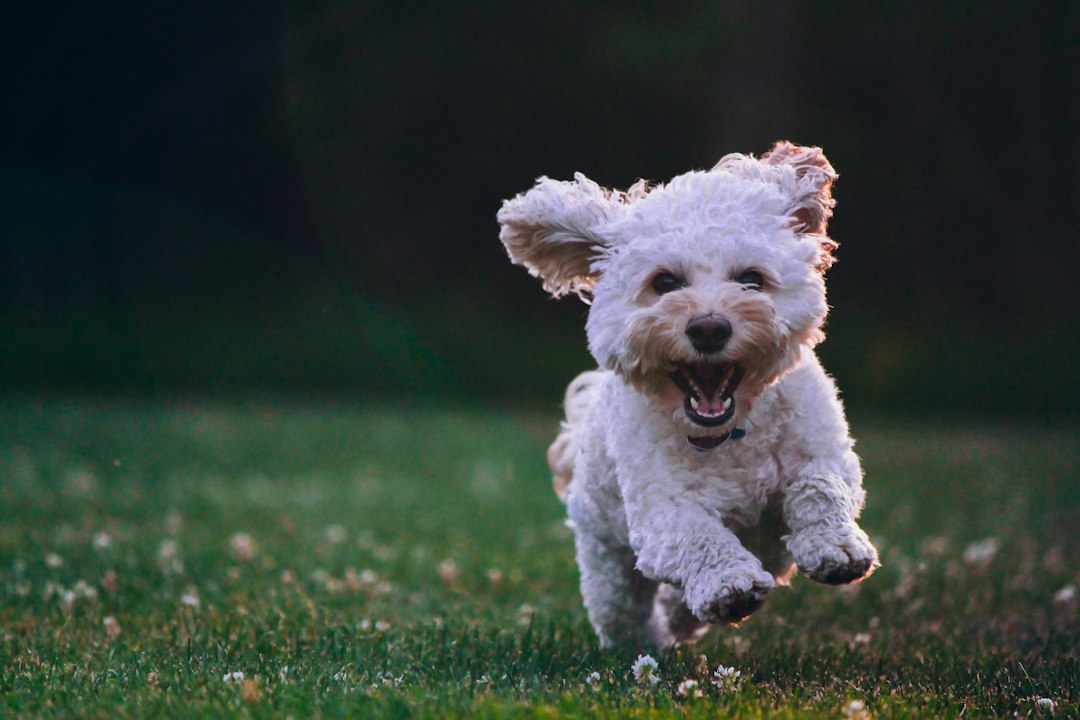
Every morning, your dog plants both paws on the floor and gives you that look. Time to go. And out you go together, down the street, breathing the air, moving your legs.
Turns out, that daily ritual may be doing more for your health than you realize.
Researchers at Miami University and the University of Missouri looked at data from the Health and Retirement Study, a large, nationally representative survey of older adults, to examine how dog ownership and the bond between people and their pets connect to physical health. What they found in the 2012 wave of that study was striking.
Seniors who walked their dogs regularly had lower body mass index scores than those who did not. They had fewer limitations in their daily activities. They visited the doctor less often. And they were more likely to get moderate and vigorous exercise on a regular basis.
Those are meaningful differences, the kind that add up over years.
It Is the Walking That Matters
Here is an interesting detail from the study. Simply owning a dog was not linked to better physical health on its own. It was the act of walking the dog that made the difference.
So it is not enough to have a dog curled up on the couch. Getting out the door together is what drives the benefit.
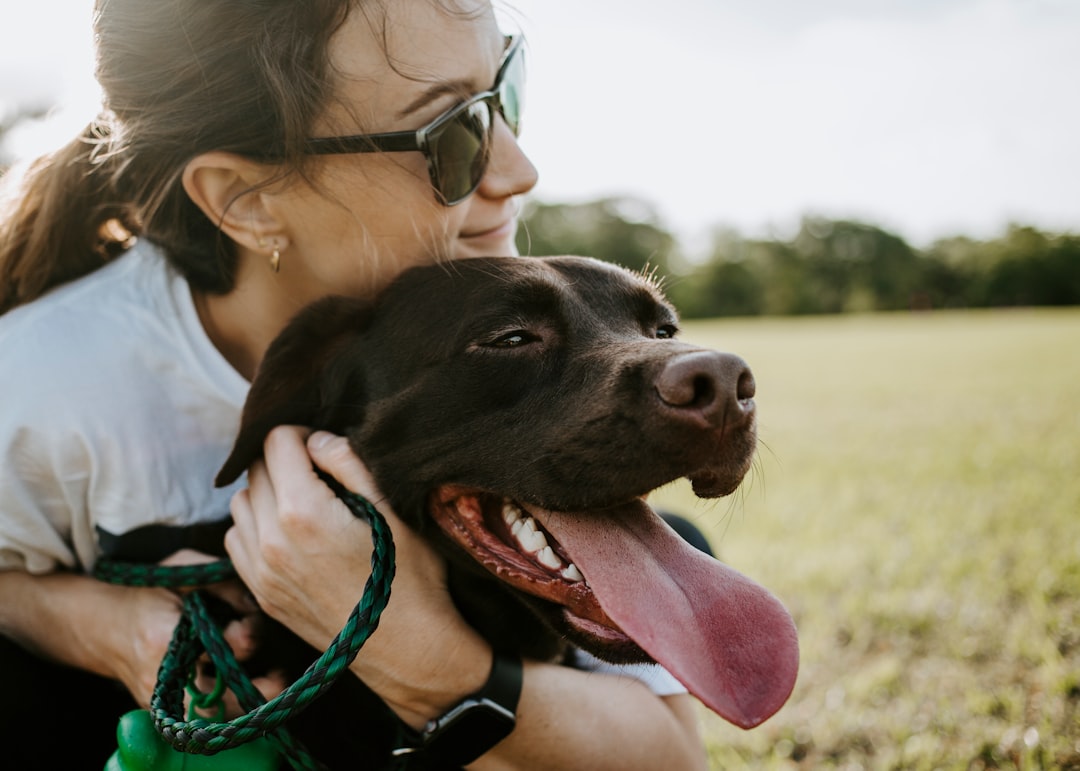
The research also looked at how strongly people felt bonded to their pets. Seniors with a deeper bond were more likely to walk their dog and to spend more time on each walk. However, those with stronger bonds tended to walk shorter distances than those with a weaker connection to their pet.
A Reason to Get Up and Go
Think about what your dog actually does for you. It does not let you talk yourself out of a walk. It does not care if it is cloudy, if your favorite show is on, or if you slept a little late. It is ready, and it needs you.
The researchers noted that the relationship with one’s dog may be a positive influence on physical activity for older adults. That is the polite, academic way of saying what most dog owners already know: your dog gets you moving when nothing else would.
The study was published in The Gerontologist, a journal of the Gerontological Society of America, and drew on data from the Health and Retirement Study’s human-animal interaction module, one of the few nationally representative data sets to look at pet bonds and health together in older adults.
So the next time your dog gives you that look, go ahead and grab the leash. Science is on both of your sides.