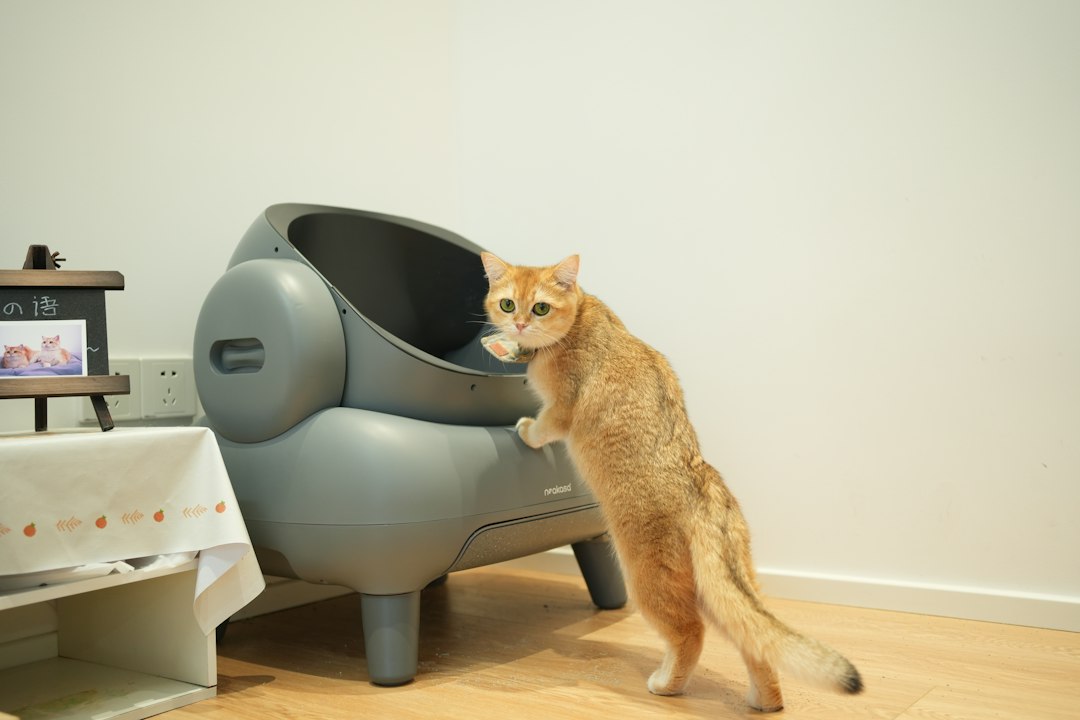
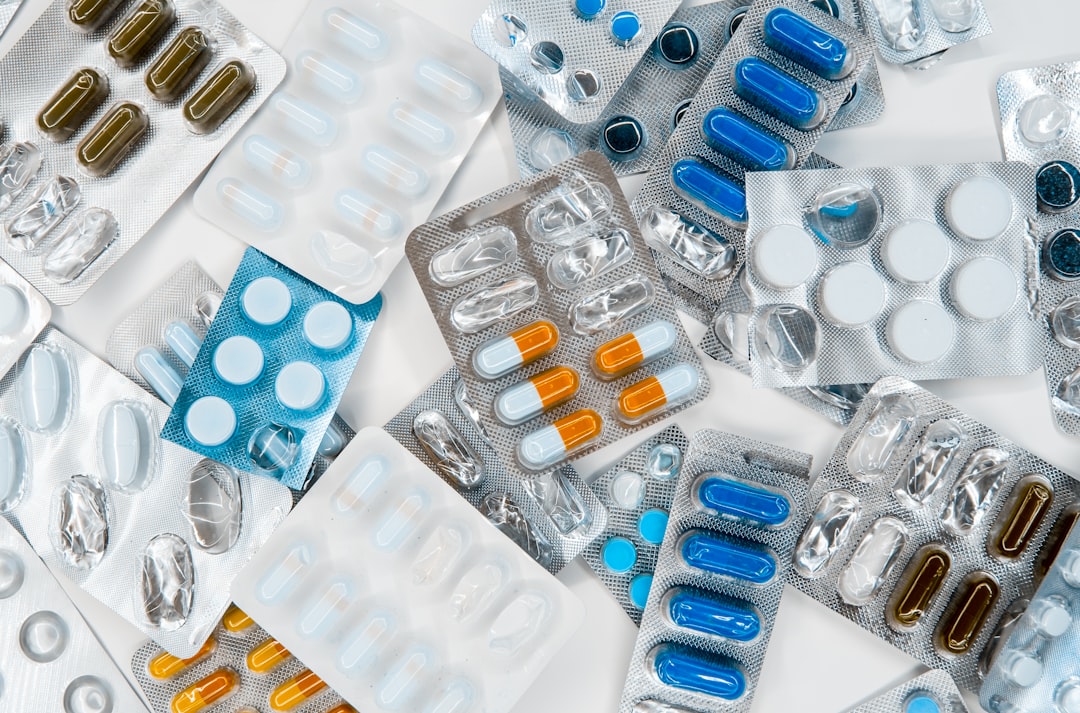
Many of us take a prescription medication every day without thinking twice about it. It is just part of the routine. But if you share your home with a dog or a cat, there is one habit worth taking seriously: keeping those pills well out of reach.
According to the ASPCA, accidental medication exposure is one of the most common reasons pet owners call veterinarians and animal poison control centers. And antidepressants, some of the most widely prescribed medications in the country, are among the drugs most often involved.
Why Antidepressants Are Especially Risky for Pets
Pets do not understand what a pill is. They just know it smells interesting. Dogs and cats will investigate dropped tablets, dig through an open purse, nudge a pill organizer off a nightstand, or chew through a backpack pocket without a second thought.
The ASPCA notes that cats seem especially drawn to venlafaxine capsules sold under the brand name Effexor and may eat them readily if they get the chance.
Common antidepressants involved in pet exposures include fluoxetine (Prozac), sertraline (Zoloft), citalopram (Celexa), venlafaxine (Effexor), duloxetine (Cymbalta), and bupropion (Wellbutrin). Some of these are also used in veterinary medicine, but the danger comes when a pet gets into a dose that was never meant for them or consumes far more than any safe amount.
What to Watch For
These medications are absorbed quickly in the body. The ASPCA reports that signs can appear in as little as 30 minutes. With extended-release formulations, it may take several hours.
Early warning signs include vomiting, drooling, agitation, restlessness, lethargy, dilated pupils, and difficulty walking. As exposure becomes more serious, tremors, elevated body temperature, abnormal heart rhythms, breathing problems, and seizures can follow.
One particularly serious concern is serotonin syndrome, a condition caused by too much serotonin activity in the body. The ASPCA notes this can occur with large overdoses or when multiple medications affecting serotonin are involved at the same time.
Simple Steps That Protect Your Pet
The good news is that most of these situations are entirely preventable. A few steady habits go a long way:
- Store all medications in a secure cabinet your pet cannot open
- Never leave pills on a counter, nightstand, or in an open bag
- If you drop a pill, move your pet out of the room immediately, close the door, and find the tablet before your pet can
If You Think Your Pet Got Into Something
Do not wait for symptoms to appear. The ASPCA advises seeking veterinary care right away, even if your pet seems completely fine. Early treatment makes a real difference in how well a pet recovers.
When you call or go in, bring as much information as you can: the name of the medication, its strength, how many tablets appear to be missing, and roughly when the exposure may have happened. Your vet may also recommend contacting the ASPCA Animal Poison Control Center for additional guidance.
The animal you love depends on you to keep them safe from the things they cannot understand. A locked cabinet and a careful habit around dropped pills, that is really all it takes.