
Picture this. You wake up feeling terrible. No one schedules an appointment weeks out. No one signs in on a tablet in a crowded lobby. You simply call the doctor, and a little while later, he knocks on your front door.
That was medicine in 1926. And for anyone who grew up hearing their parents or grandparents describe it, the image is both charming and sobering.
The Doctor Who Came to Your Door
A hundred years ago, most doctors were what was called generalists, what we now think of as primary care physicians. Specialists were rare. One doctor handled just about everything.
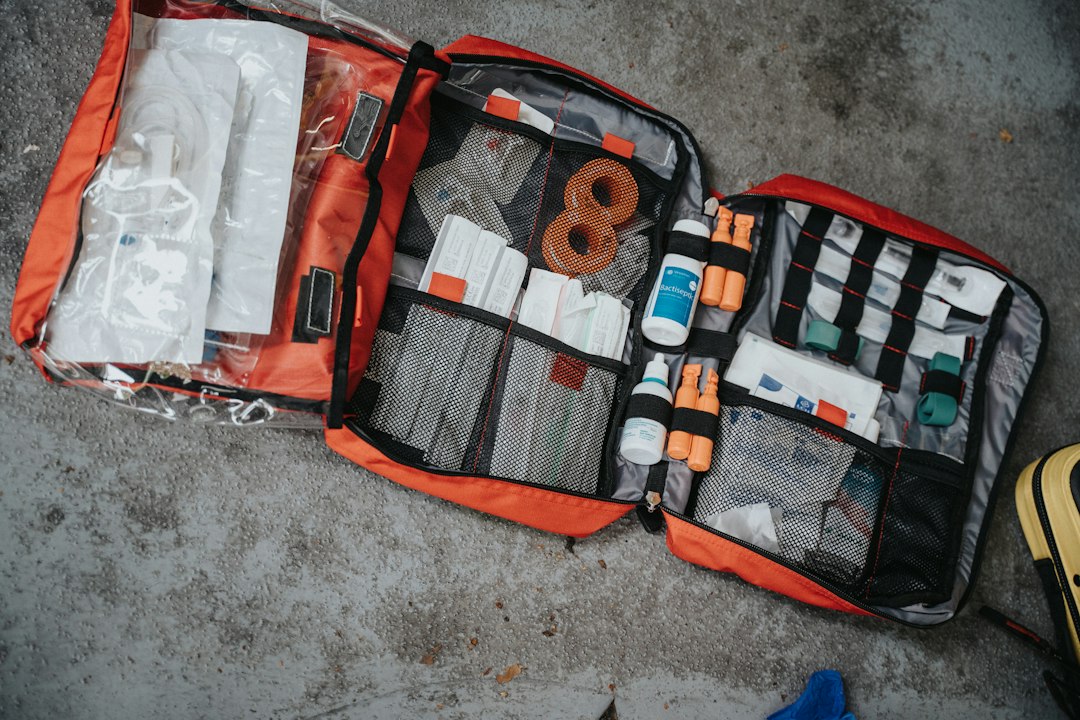
According to Kevin M.D., a house call meant the doctor arrived at your home carrying a bag with a stethoscope, a blood pressure cuff, and a thermometer. He could treat infections, tend to fractures, care for chronic illnesses, and deliver babies. For pain, he had morphine. For other ailments, he carried a small selection of medicines to relieve constipation. That was largely it.
As cars became more common, patients could also travel to the doctor’s home, which doubled as his office. There were no appointments. You showed up, and you waited your turn.
What a Hospital Actually Meant Back Then
Here is something that stops you cold. In 1926, going to the hospital usually meant you were gravely ill. There were no antibiotics, no IV fluids, no CT scans, no MRIs, no ultrasounds. The hospital was not a place for treatment so much as a place people went when there was little else to be done.
Surgery existed, but survival odds were grim by today’s standards. Someone undergoing abdominal surgery in 1926 had roughly a 75 percent chance of surviving. Brain and heart operations were, according to the article, nearly unheard of. Anesthesia using chloroform was available, but there were no breathing tubes, no ICU, and no effective tools to control bleeding. Patients often died from blood loss or infection after an operation.
Childbirth carried real danger, too. Close to one percent of mothers (about one in every hundred) died during childbirth that year, largely because there was no medication to treat sepsis and limited means to address hemorrhaging or organ failure.
The Diseases They Faced Without Vaccines
Smallpox was the only disease a vaccine existed for in 1926. Diphtheria, measles, whooping cough, and tuberculosis were still a fact of life. Adults and children who caught them had to fight through without immunization, which led to far higher death rates than anything we see today.
It puts things in sharp relief when you think about how much changed in a single lifetime. Our generation grew up with polio vaccines, penicillin, and hospitals equipped to actually save lives. The parents and grandparents who came before us lived in a genuinely different world.
No Appointment Needed, Because None Existed
One detail from history worth knowing: the scheduled doctor’s appointment is actually a fairly modern invention. Booking appointments in advance became common largely in response to a physician shortage that followed World War II.
Before that, if you were sick, you called and someone came. Or you drove to the doctor’s house and waited on a first-come, first-served basis. There was no follow-up reminder, no annual checkup on the calendar, no next appointment card pressed into your hand on the way out.
The next time a doctor’s office puts you on hold, it might be worth a small smile. It means the system exists in the first place, which, a hundred years ago, was far from guaranteed.