If keeping your dog on a steady feeding schedule has ever been a challenge, you may have wondered about automatic feeders. They promise convenience and peace of mind, two things most pet owners are happy to have more of.
But are they right for your dog? The answer depends on a few things: your dog’s age, eating habits, and whether they have any special dietary needs.
What Kinds of Automatic Feeders Are Out There?
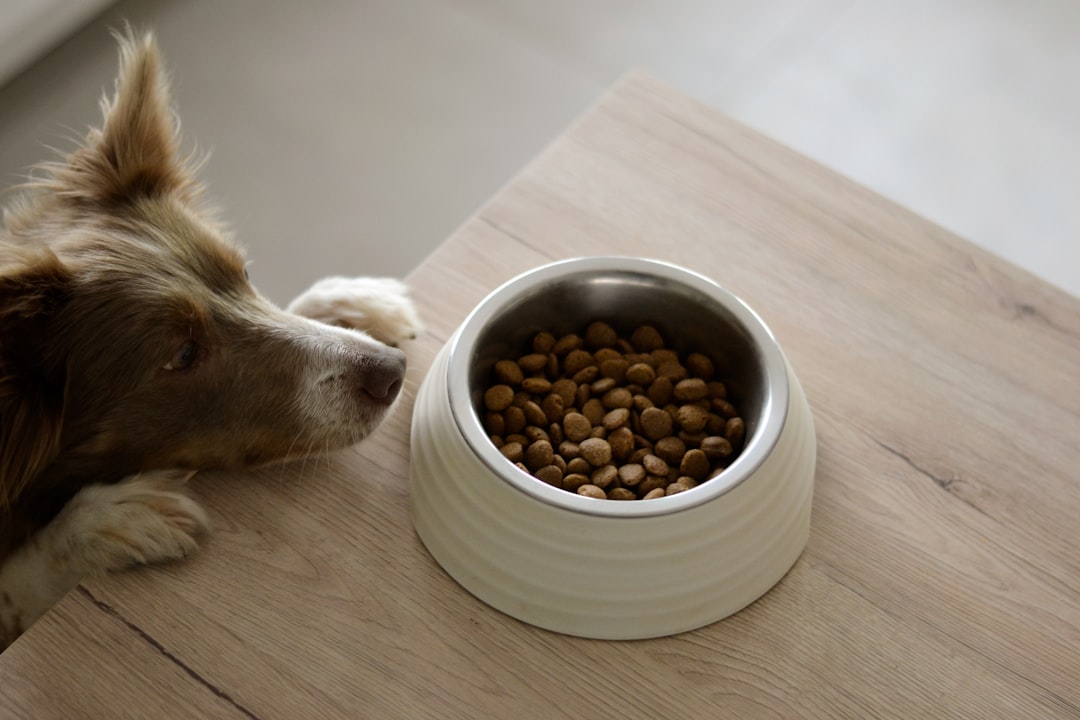
Not all automatic feeders work the same way. The simplest option is a gravity feeder. It stores dry food in a container and releases it into the bowl at a set time. These can hold anywhere from a few cups of food to a few gallons, depending on the model.
The catch with gravity feeders is limited portion control. Dogs that tend to overeat can help themselves to more than they should, so you’ll want to keep an eye on things.
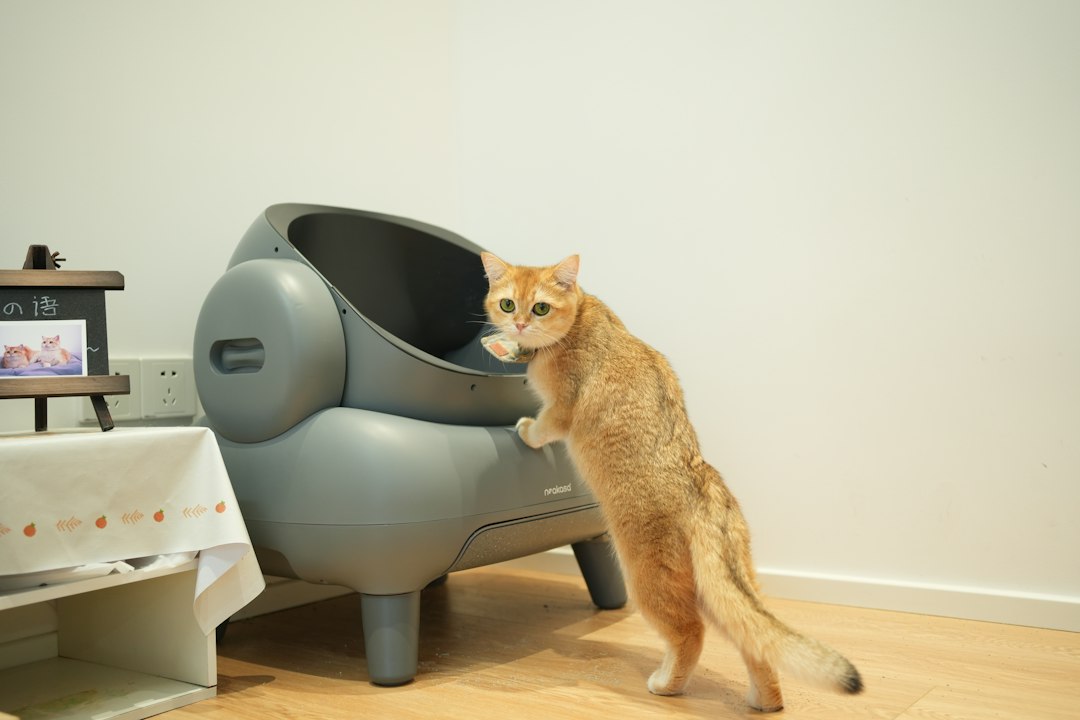
More advanced models give you greater control. Here are some options worth knowing about:
- Timed and programmable feeders release set portions at set times. Some connect to a smartphone app, letting you adjust portion sizes remotely. You could give your dog two cups of kibble in the morning and just one in the evening.
- Microchip-enabled feeders connect to your dog’s microchip and only open for that specific dog. This is helpful if you have multiple dogs and want to keep them from eating each other’s food.
- Combination feeder and water dishes handle both food and water in one unit.
- Camera-equipped feeders let you record your dog’s eating behavior to review with your vet, useful if your vet wants to observe your dog’s habits for health reasons, including issues like dental disease.
The Real Benefits and the Real Limits
Automatic feeders work best for owners with irregular schedules, limited mobility, or dogs that wake up at the crack of dawn demanding breakfast. They help keep mealtimes consistent and portions on track.
They are not, however, a substitute for your daily involvement. The American Kennel Club is clear on this: these devices support your routine; they do not replace it.
If you have more than one dog, think carefully before relying on an automatic feeder. Dogs with food anxiety or resource-guarding behavior can clash at a shared feeder. And if your dogs eat different foods or require different portions, you’ll need to monitor things closely or consider separate feeding arrangements.
Leaving a dog alone for multiple days with only an automatic feeder is not safe. Food can spoil, equipment can malfunction, and a health problem could go unnoticed. Water can run low or become contaminated. If you’ll be away for more than a day, arrange for a pet sitter, a family member, or a boarding facility to check in, even if the feeder is running.
Keeping the Feeder Clean
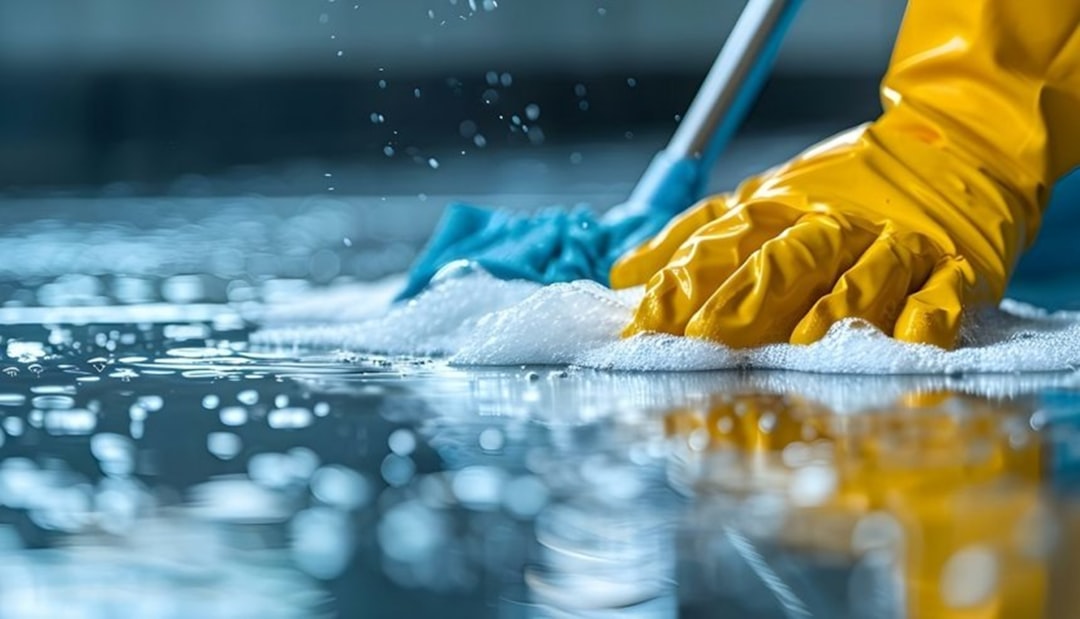
A feeder that isn’t cleaned regularly can develop mold, attract pests, and let food spoil. Check it often for any odd smells, bugs, or visible buildup.
The U.S. Food and Drug Administration recommends washing pet food containers with soap and warm water, then making sure they are completely dry before you refill them. When you top off the food supply, scoop out any stale bits and clear out crumbs first.
Also, revisit your feeder settings as your dog ages. Portion sizes, feeding times, and food types often need to change over a dog’s lifetime. Updating those settings keeps your dog getting the right nutrition at every stage.
Helping Your Dog Get Used to It
Most dogs warm up to automatic feeders quickly. A few simple steps can smooth the transition:
- Stick to a consistent schedule. Program the feeder to match your dog’s usual mealtimes. Familiarity reduces confusion and anxiety.
- Reward positive interactions. Use small, high-value treats to build a good association with the feeder; even something as small as your dog sniffing it is worth a reward.
- Watch those first few meals. Make sure the feeder dispenses the right amount and that the height works for your dog. Your observations help you make any needed adjustments.
Some microchip-enabled feeders also have a gradual introduction feature, dispensing a small amount of food when your dog simply walks past, not just at mealtimes. This can help your dog connect the feeder with something good.
Your Involvement Still Matters Most
An automatic feeder can make daily life a little easier. But it cannot notice if your dog seems off, top off the water bowl, or respond if something goes wrong. That still takes you.
Feeding time is also one of those quiet daily rituals that keeps your bond strong. Watching your dog eat tells you things: how their appetite is, whether something seems different. That kind of attention is something no gadget can replace.
If you’re curious, the American Kennel Club suggests starting with a basic gravity feeder in a supervised setting to see how your dog responds. From there, you can decide whether a more advanced model makes sense, or whether a different approach, like a slow feeder, suits your dog better.