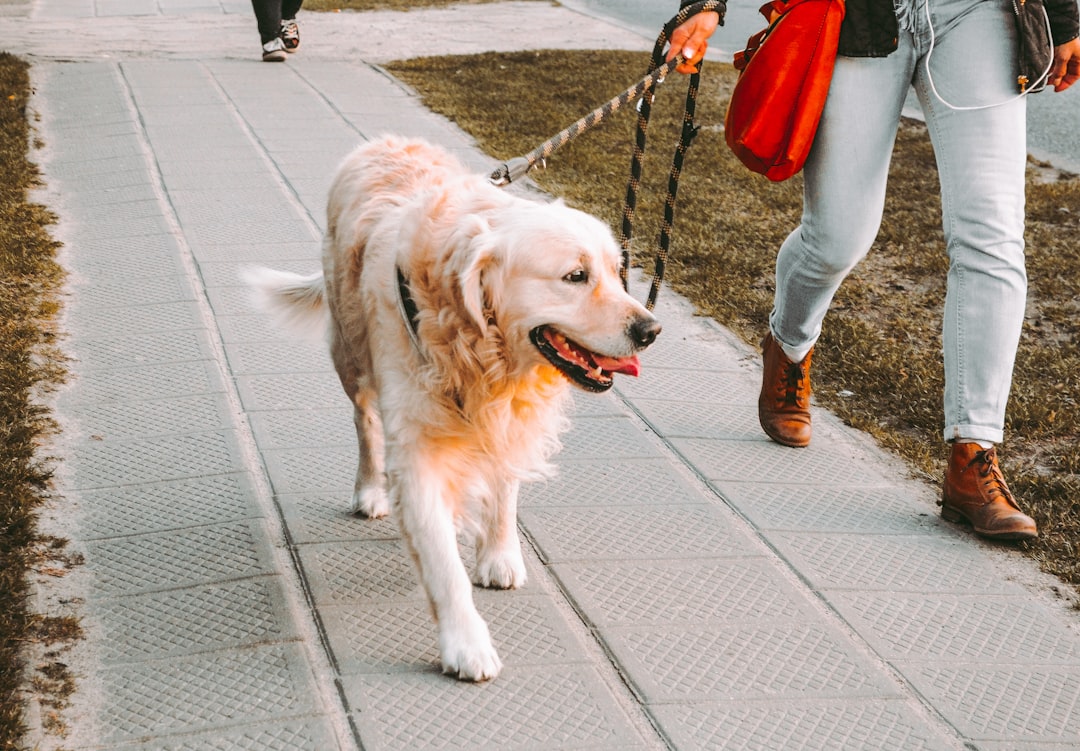
Walking your dog is one of the best things you can do for them. Most of us know that. What we may not realize is that a few small habits can make those walks a whole lot better for your dog and for you.
Dr. Candace Croney, director of Purdue University’s Center for Animal Welfare Science, and professional dog trainer Jas Kelem shared their best advice with The Guardian. Here is what they had to say.
Decide what the walk is for
Before you clip on the leash, think about the purpose of the walk, says Dr. Croney. Is it exercise? A bathroom break before a storm rolls in? Mental stimulation?
It sounds simple, but it changes everything. “We sometimes take them for walks, having expectations of what we want to happen, and we don’t think about what’s happening on the other end of the leash,” she says.
Go easy on the leash
Here is something worth thinking about. “People actually put a lot of pressure on their dog’s necks,” says Dr. Croney. “That really is not good for them.”
Try what trainers call loose leash walking, where neither you nor your dog pulls on the lead. It takes a little practice, but your dog will feel the difference.
And the next time your dog stops to sniff the same mailbox for the third time? Let them. Dr. Croney says those sniffing moments are some of the most important parts of the walk. “Those walks are some of the most important opportunities they get to understand who’s in the neighborhood,” she says. “The world of smell is probably so vibrant to them that they have to stop and check things out constantly.”
Focus on quality, not just distance
Does your dog really need a longer walk, or a better one? Kelem suggests paying attention to how fulfilling the walk is rather than how long it lasts or how often you go.
Dr. Croney agrees. “It really depends on your dog and the individual dog’s needs for exercise and for mental stimulation,” she says. There is no one-size-fits-all answer here; your dog’s needs are their own.
Bring treats along
This one is easy to skip, but both experts say it makes a real difference. Dr. Croney recommends carrying high-value treats that you save for unexpected or challenging situations your dog encounters on the walk.
Kelem takes it a step further. Carry food or treats on every walk and reward your dog for good behavior before they have done something wrong. Catching the good stuff early is what builds the bond.
Those daily walks are more than exercise. They are the steady rhythm of a life shared together. A little intention and a pocket full of treats go a long way.