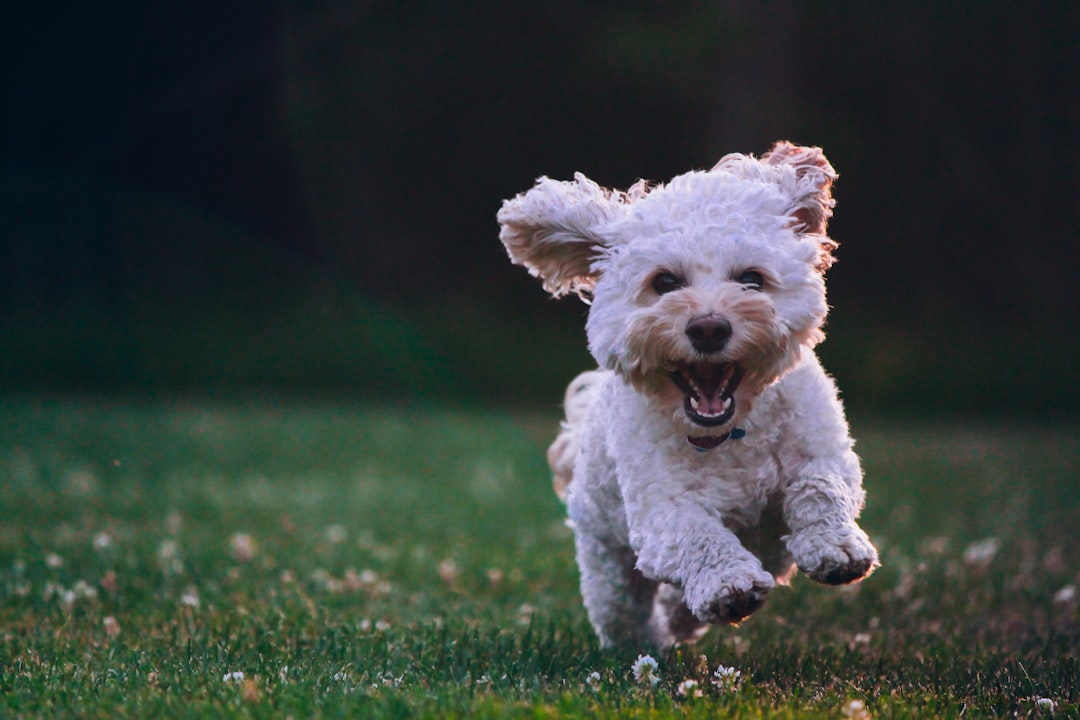
Ask any dog owner over 65 what their dog means to them, and you will hear things like: “He gives me a purpose.” Or: “I wouldn’t want to be without her.” Or simply: “My dog means everything to me, even more than my relatives do.”
Those are real answers. They come from a research study published in the European Journal of Medical Research, conducted by researchers at UMIT, the Private University of Health Sciences, Medical Informatics and Technology, in Austria. Researcher R. Scheibeck and colleagues set out to understand, from a gerontological perspective, just how much dogs matter to older people who live alone.
What they found will surprise no one who has ever shared a home with a dog. But it is good to see it in print.
A Daily Walk That Really Adds Up
The researchers interviewed 23 single adults over age 70, five men and 18 women, all dog owners living in communities in the Austrian province of Tyrol. One of the first things they measured was how much these folks actually walked each day.
Most took their dogs out three times a day. Those without a backyard walked an average of 140 minutes daily and covered about 1,900 meters, roughly 1.18 miles. Those with a backyard, who could let the dog roam outside, still walked an average of 100 minutes and covered about 1,200 meters, or 0.75 miles.
That is a meaningful amount of movement, day after day. And the research backs it up more broadly: a study by Thorpe and colleagues found that dog owners engaged in greater overall physical activity than non-dog owners. Yabroff and colleagues found the same thing. Dog owners, quite simply, move more.
More Than a Walk Around the Block
Physical activity was just the beginning. When the researchers asked participants how important their dog was to them right now, in their current life, the answers went much deeper than fitness.
- “My dog notices if I’m doing well or not. I talk to him; there is always someone in the apartment, and I’m not alone.”
- “He watches over me; he gives me a purpose.”
- “When I’m outside with my dog, I always meet new people and chat with them.”
- “I have to go outside with him and exercise: this is also good for me.”
The study found that dogs function as what the researchers called social facilitators, meaning they create openings for human connection that might not happen otherwise. A morning walk becomes a chance to meet a neighbor. A stop at the park turns into a conversation. The dog is the reason you are out there, and out there is where people find each other.
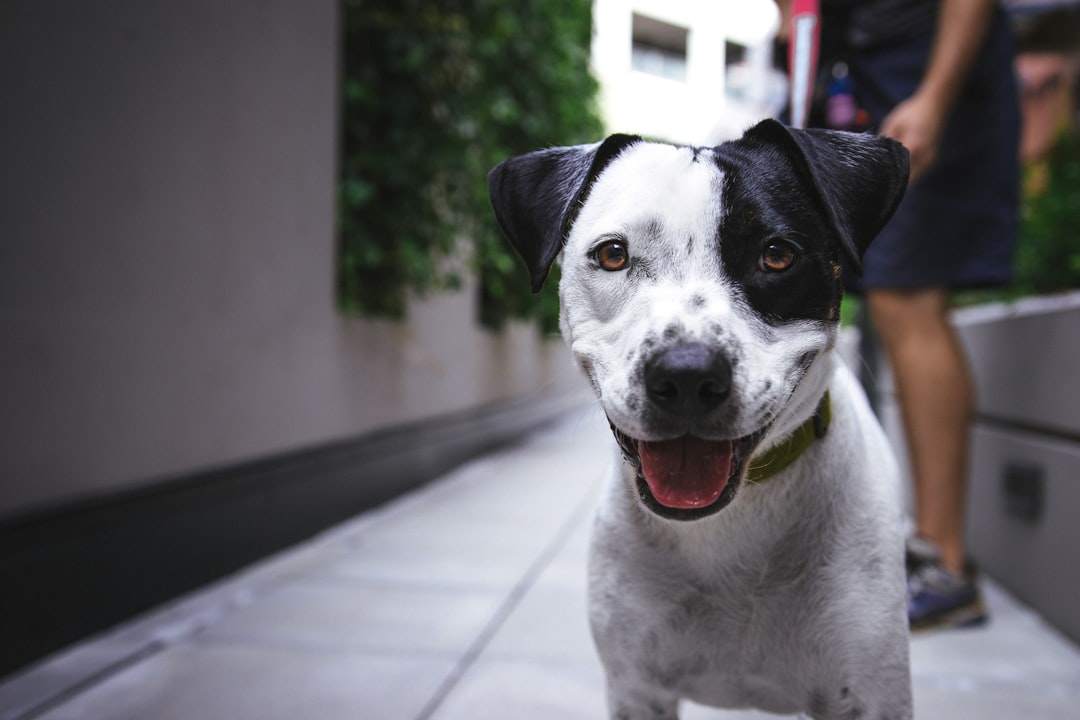
The researchers also found that dogs give their owners daily structure, fixed times for feeding and walking and a feeling of responsibility toward another living creature. That sense of being needed, the study noted, can be especially important after retirement or after losing a partner, when the rhythm of daily life can feel uncertain.
Research by Raina and colleagues, showed in a longitudinal study that keeping a pet has a positive impact on social support and psychological well-being. Olbrich and Jonas, whose work is also referenced, concluded that animals cannot replace human relationships, but they can substantially improve the well-being of older people. Their studies found that residents in care settings who kept an animal were often more active, more self-confident, and more communicative. Pets, they wrote, kept owners active and occupied, made them feel needed, helped them establish social contacts, and distracted them from distressing events.
Surveys going back to the 1980s, found that pet owners had a lower risk of falling ill, suffered less from cardiovascular disease, were happier overall, and felt unwell less often. Studies have also shown that dogs have a positive influence on heart rate and blood pressure.
The Grief Is Real, Too
The research team also visited dog cemeteries in Munich, Salzburg, and Vienna and had 16 conversations with people aged 61 to 76 who had lost their dogs in the preceding two to five years. What they found there was just as illuminating.
Most visitors came to the cemetery two to four times a week. They tended the graves, brought flowers, and sometimes sat quietly. Some talked with other visitors. Two couples made plans to go for coffee afterward. Many carried a photo of their dog in their wallet.
When asked what their dogs had meant to them while still alive, the answers were tender and unguarded:
- “We were two peas in a pod.”
- “My poodle always understood me, and when my husband passed away he was as sad as I was.”
- “This one had been with us for almost 20 years, and accompanied us through very difficult times; he had become a part of our little family.”
- “He wasn’t a dog to me. When I ate, he sat at the table with me; when I was sick he instantly noticed it.”
The study noted that grief over a dog is comparable to grieving a dear friend or relative. The mourning rituals, the cemetery visits, the grave decorations, the photographs kept close, mirror those we use for people we love. The researchers called dog cemeteries a completely neglected area of study in social gerontology, and noted that what happens in those quiet spaces says a great deal about the depth of the bond.
Some who had lost their dogs chose not to get a new one. They did not want to blur the memories. Others did get another dog, and found that the love they had for the first one did not disappear. As one person put it: “Even if I have a new dog now, the memory of my dead dog is still alive.”
What the Research Tells Us
The study’s conclusion is straightforward: dogs have an important meaning for older people and contribute positively to daily life. They get you moving. They keep loneliness at bay. They give your days shape and purpose. And they love you back in a way that is hard to put a number on.
If you have a dog curled up near you right now, you already knew all of this. It is just nice to know the researchers agree.