
There is nothing quite like a puppy coming through your front door for the first time. All paws and wonder and that irresistible smell. Whether this is your first puppy in decades or your very first, those weeks between 8 and 12 are a big deal. They shape who your dog will be for the rest of their life.
The good news? You do not need to know everything. You just need to know the basics and get started on the right foot.
What Those First Weeks Actually Look Like
If your new puppy seems to sleep more than they do anything else, that is completely normal. Puppies this age can sleep up to 20 hours a day. Their bodies are growing fast, and rest is how that happens.
You will also notice a lot of chewing. Puppies use their mouths to explore the world, and chewing helps ease the discomfort of teething. Redirect them to appropriate toys and be patient, this phase passes.
Potty training starts now, too. An 8- to 12-week-old puppy can only hold their bladder for two to three hours. Frequent trips outside are not optional, they are how learning happens. A puppy can hold their bladder for roughly one hour per month of age.
Your puppy will also need a few weeks just to settle in. New sounds, new smells, new routines, it is a lot to take in. Some nervousness or skittishness at first is normal. Give them time and a calm environment.
Before they come home, walk through your space with fresh eyes. Tuck away electrical cords, move household cleaners to locked cabinets, and use dog gates to block off any areas that could be unsafe. Puppy-proofing before day one makes everything easier.
Getting to the Vet Right Away
Taking your puppy to the veterinarian within the first week of bringing them home might be a good idea. That first visit includes a thorough head-to-toe physical exam. The vet will check for things like an umbilical hernia or a heart murmur that may need watching as your puppy grows. They will also look for external parasites such as fleas and ticks, which can cause anemia, low red blood cell counts, in young puppies.
A small stool sample will be tested for common internal parasites, including roundworms and hookworms. If any are found, deworming medication will be given.
After that first visit, plan on going back every two to four weeks. Puppies need a series of vaccinations during this window, and the schedule matters. Common vaccines include protection against distemper, parvovirus, adenovirus, and parainfluenza, given in boosters every two to four weeks until your puppy reaches 16 weeks of age, then on a yearly to every-three-year schedule after that. The rabies vaccine is given at 12 weeks of age or older. Other vaccines, including leptospirosis, Lyme, Bordetella, and canine influenza, may be recommended depending on your puppy’s risk level and where you live.
Here is why the frequent visits matter: puppies are born with some natural immunity passed through their mother’s milk, but that protection fades at different rates for different puppies. Vaccines given at regular intervals ensure your puppy is covered as that natural immunity wears off.
Until your puppy has completed their full vaccine series, use caution about where they go. Your own yard is generally fine, provided no sick animals or wildlife have been there in the past year. Dog parks, though, should wait until your puppy is fully vaccinated.
What to Feed a Young Puppy
Adult dog food will not cut it at this stage. Puppies need food formulated specifically for their age group, higher in calories and protein, and packed with nutrients that support bone growth, muscle development, and high energy needs.
At 8 to 12 weeks old, your puppy needs three to four meals a day. Check the food label for accurate portion sizes, and follow your veterinarian’s guidance on which food is best for your specific dog.
Training: Start Gentle, Start Now
The 8-to-12-week window is a prime time for shaping good habits. You might focus on positive reinforcement, rewarding good behavior with praise or treats rather than correcting bad behavior harshly. It works better, and it builds trust between you and your dog.
Four things to focus on during these early weeks:
- Socialization: Expose your puppy to different people, sounds, and settings. Getting them comfortable with the world now reduces fear and behavior problems later. Puppy playdates with vaccinated dogs in a familiar setting are generally safe, even before vaccines are complete.
- Potty training: Consistency is everything. Take them out often, praise them when they go outside, and clean up accidents without making a fuss.
- Crate training: A crate gives your puppy a safe place when you cannot watch them closely. Start with short periods and gradually increase the time as they grow comfortable.
- Basic obedience: Puppy classes, either group or one-on-one with a trainer at home, can help you learn the techniques that will carry you through the years ahead. If joining a group class, make sure all other dogs are vaccinated.
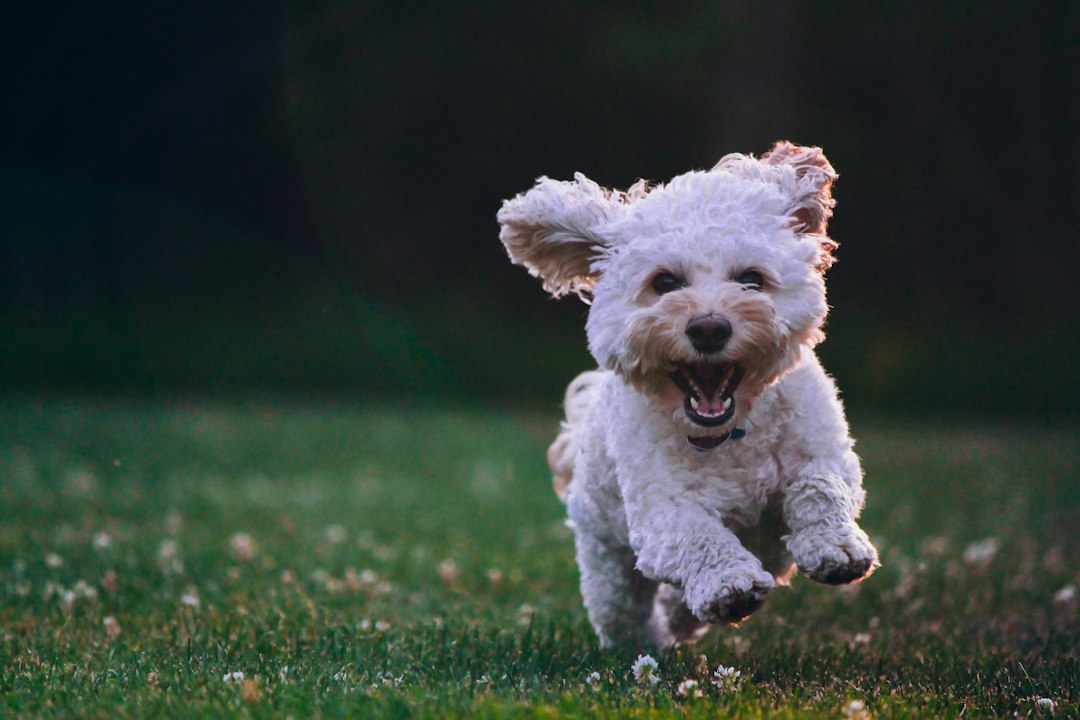
These weeks go fast. The puppy sleeping in a ball on your floor right now will be bounding around your yard before you know it. A little patience and consistency now pays off in a companion who is happy, healthy, and deeply bonded to you for years to come.