If you ever picked up a copy of The Lord of the Rings, maybe in college, maybe later, you already know there is something different about those books. They pull you in and do not let go.
Now it is official, at least according to Collider. The entertainment outlet just ranked the 25 greatest books ever written, and J.R.R. Tolkien’s epic trilogy claimed the number one spot.
A Story That Was Never Meant to Be Three Books
Here is something you may not know. Tolkien wrote The Lord of the Rings as a single volume. It was wartime paper rationing in the United Kingdom that forced the publisher to split it into three parts.
The three volumes came out between 1954 and 1955. The Fellowship of the Ring arrived in July 1954, The Two Towers in November 1954, and The Return of the King in October 1955.
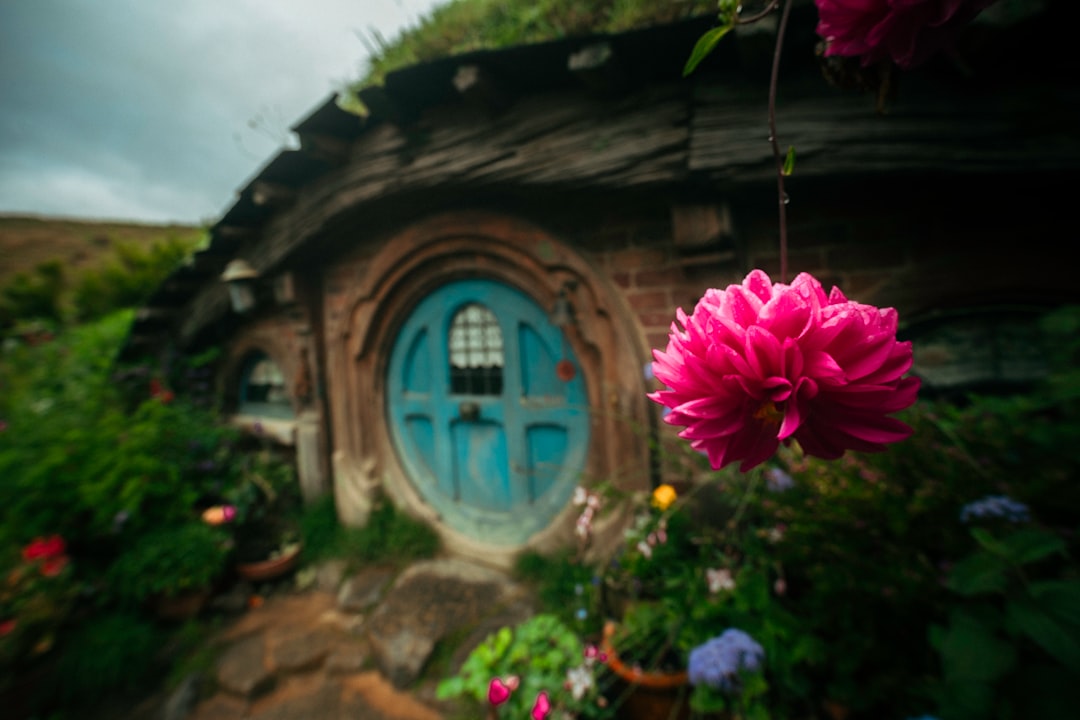
The story follows a hobbit named Frodo Baggins on an enormous journey across Middle-Earth. He travels with a cast of companions to destroy a ring powerful enough to obliterate the world. Along the way, Tolkien built entire histories, languages, and geographies from the ground up.
Collider calls it “next-level stuff” and “the quintessential book everybody has to read at some point.” Treating all three volumes as the single work Tolkien intended, the outlet placed it above everything else.
What Tolkien Said It Was Really About
In 1968, Tolkien sat down for a BBC documentary. He was asked to explain what his life’s great work was truly about.
His answer might surprise you.
“Stories, frankly, human stories are always about one thing: death,” he said. “The inevitability of death.”
He even pulled a newspaper clipping from his pocket to make his point. It quoted French writer Simone de Beauvoir from her 1964 book A Very Easy Death, described as a moving account of her mother’s desire to cling to life during her dying days.
“There is no such thing as a natural death. Nothing that happens to a man is ever natural, since his presence calls the world into question. All men must die: But for every man his death is an accident and, even if he knows it and consents to it, an unjustifiable violation.”
“Those are the key-spring of The Lord of the Rings,” Tolkien said.
That is a lot to carry inside what looks like a fantasy adventure about hobbits and wizards. But that depth is exactly why the books have stayed with so many readers for so long.
How It Found Its Audience
The trilogy was not an overnight sensation. It took years to find its footing.
In 1965, a publisher called Ace Books exploited a copyright loophole and released unauthorized paperback editions. Then Ballantine published the authorized paperbacks, and college-aged readers in the counterculture era got hold of them. The books took off.
The Lord of the Rings climbed to the top of The New York Times Paperback Best Seller list and has been called the cornerstone of modern high fantasy ever since.
The other classics in Collider’s Top 10 include Leo Tolstoy’s War and Peace, J.D. Salinger’s The Catcher in the Rye, and Harper Lee’s To Kill a Mockingbird. Fine company by any measure.
But Tolkien sits at the top. And if you have never made your way through all three volumes, there is no better time than now.