The 1960s gave us go-go boots, beehive hair, the twist, and the hippie movement. But that decade gave us something else too: a whole new way of talking.
Some of the slang that came out of those years was so perfectly matched to its meaning that it never went away. Merriam-Webster gave these words their own official definitions. And here we are in 2026, still using them.
How many of these nine words from the ’60s do you still say?
Bummer
What Merriam-Webster says: “Something that is unpleasant or disappointing.”
The 1960s counterculture brought a lot of new vocabulary with it. “Bummer” started out describing a bad drug experience, but it quickly grew into a catch-all word for anything that didn’t go your way. That meaning has held up perfectly. When something falls apart or goes sideways, we still say it’s a bummer.
Cool
What Merriam-Webster says: “Very good, very fashionable, impressive, or appealing in a way that is generally approved of especially by young people.”
Back in the ’60s, if you had the right boots and the right hat, you were cool. It meant you were on trend, impressive, someone worth noticing. The word has outlasted every generation that has tried to replace it. We still use it the same way today.
Freak Out
What Merriam-Webster says: “An act or instance of freaking out.”
Like “bummer,” this phrase had roots in the drug culture of the era. A bad hallucination, a moment of panic: you were freaking out. By the time the decade was over, it had come to mean any overwhelming or deeply uncomfortable experience. That is still exactly how we use it today.
Rip Off
What Merriam-Webster says: “An act or instance of stealing / a usually cheap exploitative imitation.”
According to the University of Pittsburgh, “rip off” described theft or fraud sixty years ago. It also meant getting charged too much for something not worth the price. That usage has never changed. When the handle falls off a new purse the day after you buy it, you know exactly what word to reach for.
Shades
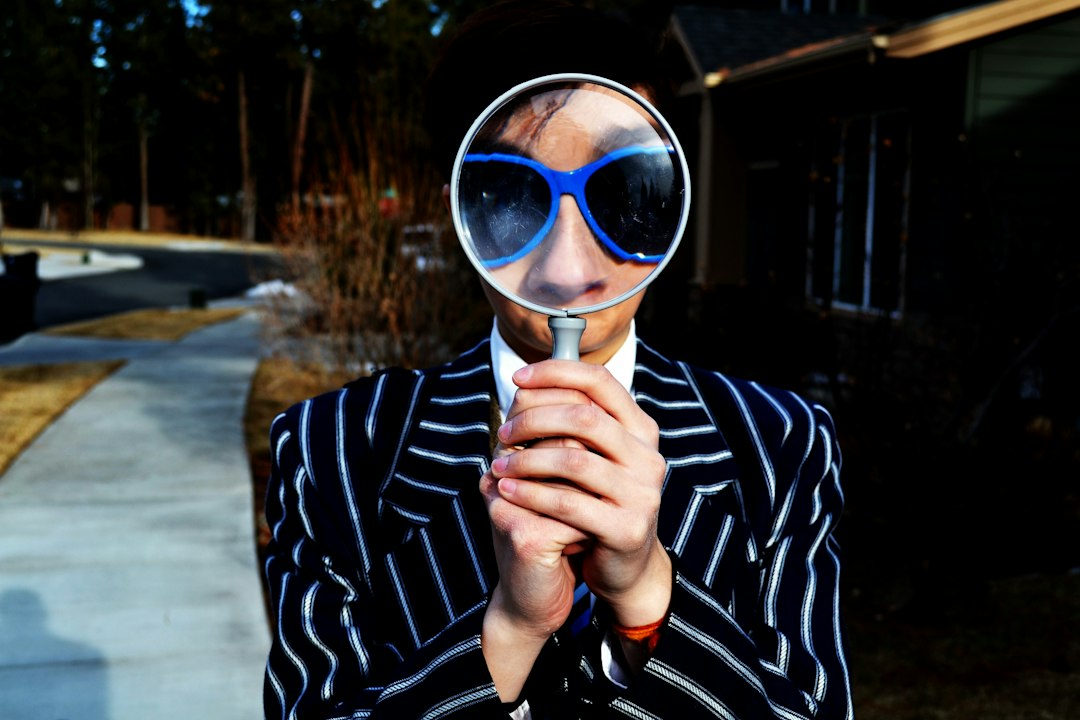
What Merriam-Webster says: “Sunglasses.”
This one never faded and you can see why it stuck. Sunglasses shade your eyes. Calling them “shades” just makes sense. Once people started using it in the ’60s, there was no going back. You will still hear it on a bright afternoon today. (Just don’t mix it up with the Gen Z meaning, where “throwing shade” is something else entirely.)
Zit
What Merriam-Webster says: “A small, red, swollen spot on the skin.”
Nobody knows exactly where this one came from. It did not come from any medical text. People in the 1960s simply started using “zit” instead of “pimple,” and somehow it landed and stayed. Plenty of us still say it today, all these decades later.
Crash
What Merriam-Webster says: “To go to bed or fall asleep / to lose energy: to become very fatigued.”
Forget the car collision meaning for a moment. In the ’60s, “crash” meant you were done for the day and needed to sleep, wherever you happened to be. That sense of the word is still with us. If you are too tired to drive home and need the couch, you are crashing.
Grungy
What Merriam-Webster says: “Shabby or dirty in character or condition.”
Newspapers in the 1960s used “grungy” to describe something extremely worn or dirty. No one back then could have guessed that thirty years later, a whole genre of music would borrow the word and make it famous all over again. Nirvana, Soundgarden, Stone Temple Pilots: grunge. Today we use “grungy” both ways: for a pair of jeans that have seen better days and for a sound that defined the early 1990s.
Hacker
What Merriam-Webster says: “A person who illegally gains access to and sometimes tampers with information in a computer system.”
Here is a fun one. In the 1960s, hackers were not breaking into computers; they were accessing telephone networks. The technology has changed completely, but the meaning has stayed almost identical. Someone getting into a system they are not supposed to be in is still a hacker, sixty years on.
Nine words. Six decades. Still in use. The ’60s left a bigger mark on how we talk than most of us probably realized, and that is anything but a bummer.