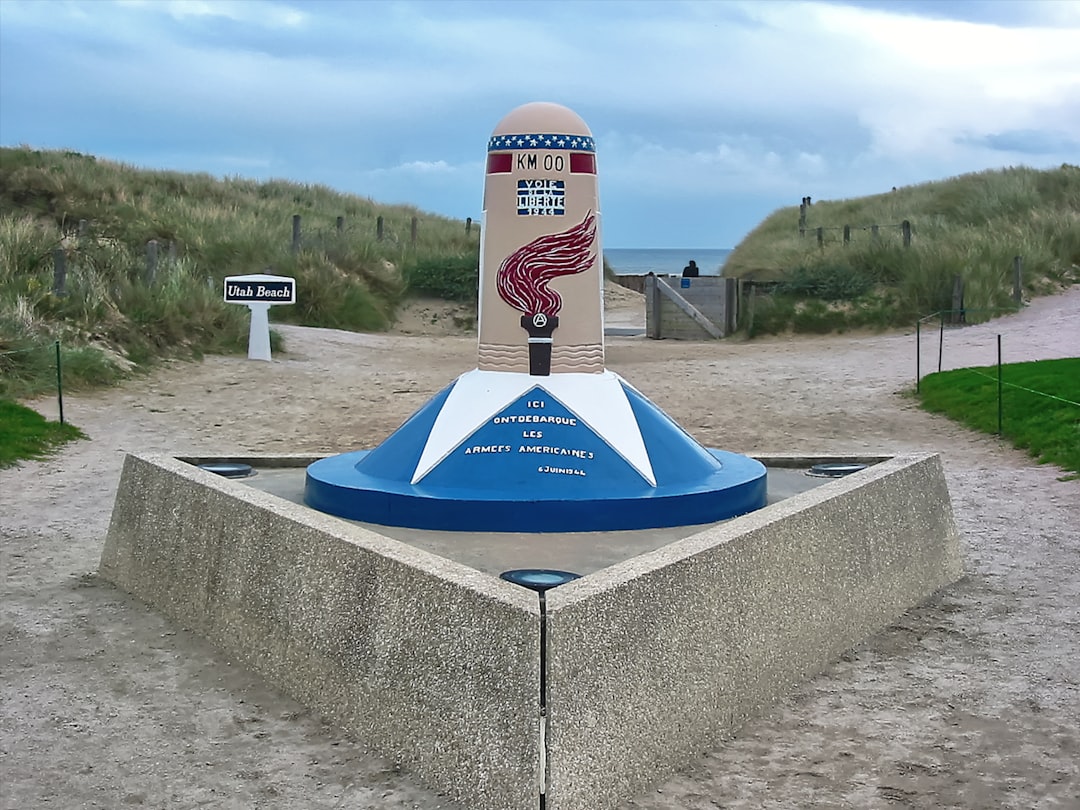
June 6, 1944. Troops from the United States, Great Britain, and Canada stormed the beaches of German-occupied Normandy, France. It was one of the most important moments of World War II, a turning point that helped bring down the Nazi regime.
Most of us grew up calling it D-Day. But here is a question that has stumped people for generations: what does the “D” actually stand for?
It turns out, the National World War II Museum in New Orleans says that is the single most common question their visitors ask. Everyone assumes there must be some dramatic secret behind the name.
The Theories
Over the years, people have guessed everything from “Deliverance” and “Decision” to “Death” and “Doomsday.” None of those are quite right, though they make for a better story.
Even General Dwight D. Eisenhower, the man who commanded the operation and later became president, weighed in. When asked about it in 1964, he said the “D” stood for “Departed”, meaning the day the Allied forces departed to invade Normandy.
The problem is, many of the troops had actually left days before June 6. The original plan called for the invasion to begin on June 5, but bad weather pushed it back a day. So “Departed” doesn’t quite hold up either.
The Real Answer
Most military historians and officials agree on a simpler explanation. The “D” just means “Day.”
That is not a typo. D-Day literally means Day-Day. In military planning, “D-Day” is the standard term for the day an operation goes into effect. They also use “H-Hour” for the exact time it begins, and “M-Day” for mobilization day, the period before the operation when troops get ready.
These terms were not invented for Normandy. The first recorded use of D-Day in military communications dates back to 1918, during World War I. And there were actually multiple D-Days throughout World War II, Normandy was just the most significant one.
A Word That Took on a Life of Its Own
Because the Normandy invasion was so historic, the nickname stuck and eventually spread far beyond military use.
Today, people use D-Day to mean any day of great personal significance. The day of a big move. The day you finally quit a job. A major life moment you have been building toward.
It started as plain military shorthand. Then one unforgettable June morning turned it into something that still echoes all these decades later.