Few movies mean more to our generation than The Wizard of Oz. Most of us saw it for the first time as children, huddled around the family TV, watching that magical moment when black-and-white Kansas turned into the vivid colors of Oz. It felt like pure wonder.
But behind that Technicolor magic was a production filled with chaos, danger, and genuine suffering. These are not rumors or movie myths. These things really happened.
Nobody Could Agree on Anything
Before a single frame was filmed, the production was already in trouble. Between January and October of 1938, at least ten different screenwriters were hired to work on the script. Some drafts were thrown out entirely. Others were used only in small pieces.
Casting was just as messy. MGM originally wanted Shirley Temple to play Dorothy. When that fell through, they went with 16-year-old Judy Garland. Three other actors were seriously considered for the role of the Wizard before Frank Morgan got the part. The original actress cast as the Wicked Witch, Gale Sondergaard, walked away over script changes, and the role went to Margaret Hamilton.
The film also went through multiple directors. Richard Thorpe was dismissed for rushing. George Cukor came in, made changes, and then left to direct Gone with the Wind before filming even started. Victor Fleming took over and shot most of the Oz scenes, then he was also called away to Gone with the Wind. King Vidor finished out the final days of filming, handling most of the Kansas scenes.
The Set Was Genuinely Dangerous
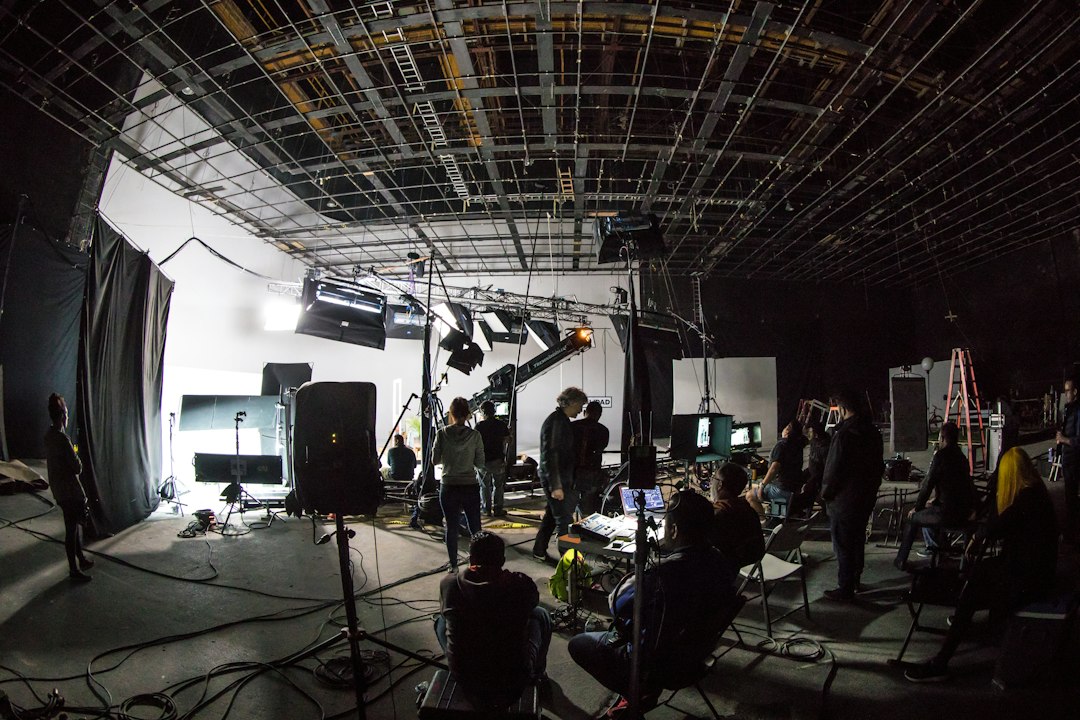
The Oz scenes took about six months to shoot. Cast and crew often worked 15-hour days under up to 150 blazing lamps which pushed temperatures on set above 100 degrees. Multiple people passed out from the heat. Others reported vision problems from the intense lighting.
The book The Making of The Wizard of Oz by Aljean Harmetz documented how hazardous materials were used throughout production. Asbestos appeared in both costumes and the fake snow in the poppy field scene. The Wicked Witch’s green skin was created using copper. The Tin Man’s silver face was made using aluminum, both in dangerous concentrations.
Ray Bolger, who played the Scarecrow, wore a mask that left deep lines pressed into his face. Those marks lasted more than a year after filming ended.
The Tin Man Nearly Died
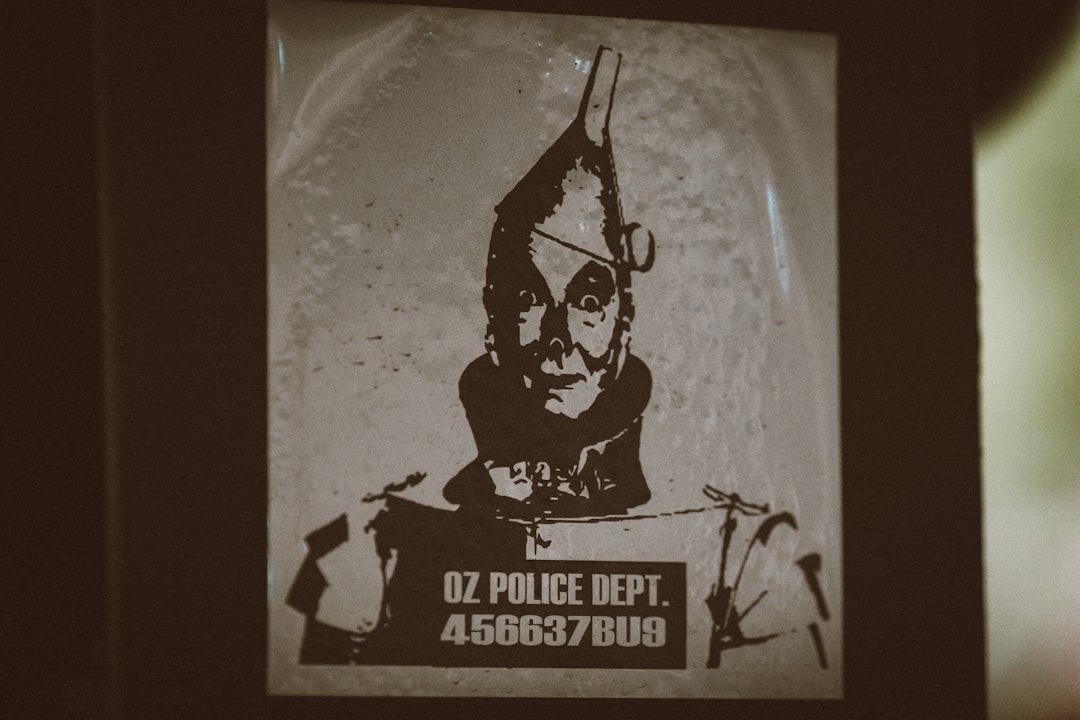
The most alarming story involves Buddy Ebsen, the original actor cast as the Tin Man. His makeup included clown-white paint covered with heavy amounts of aluminum dust applied throughout filming.
After just ten days on set, Ebsen could not breathe. He was rushed to the hospital, where doctors discovered the aluminum powder had coated his lungs. He spent two weeks in the hospital, then another month recovering at a hotel. He also suffered intense muscle cramping and pain.
“I wondered if I was dying. No one seemed to know what was wrong or what the outcome was going to be. Tests revealed that my lungs were coated with the aluminum dust with which they’d been powdering my face.”
— Buddy Ebsen
The studio replaced him with Jack Haley. They changed the makeup process, mixing the aluminum into a paste instead of dusting it on. Even so, Haley developed an eye infection from the new formula that kept him off set for several days.
The Wicked Witch Was Burned Twice
Margaret Hamilton, who played the Wicked Witch, was supposed to disappear in a burst of smoke and fire during her first scene in Oz. But the crew set off the fire before she had fully moved out of the way. She suffered second-degree burns on her face and third-degree burns on her hand.
After six weeks of recovery, with her burns not yet fully healed, Hamilton returned to the set. She agreed not to sue as long as she would not be required to do any more fire scenes.
The studio brought in stunt double Betty Danko to film the skywriting scene, where the Wicked Witch’s broomstick shoots out smoking fireworks. On the third take, the broom exploded. Danko was hospitalized and left with permanent scars.
What Happened to Judy Garland
Judy Garland was only 16 years old during filming. The studio made clear she was not their first choice for the role, and they treated her accordingly. She was forced to bind her breasts, wear false teeth, reshape her nose with rubber disks, and take medication to control her weight. When that was not considered enough, her diet was restricted to chicken soup, black coffee, and cigarettes.
The stimulants she was given had side effects. She sometimes fell into fits of uncontrollable laughter. On one occasion, director Victor Fleming slapped her to make her stop. At night, she needed large doses of sleeping pills just to rest.
The barbiturates she became dependent on as a teenager stayed with her for the rest of her life. Just 30 years after The Wizard of Oz opened, Judy Garland died from an overdose of those same drugs.
Garland’s own unpublished autobiography also documented years of sexual assault by MGM co-founder Louis B. Mayer, beginning around the time she was making this film.
The movie we grew up loving was a genuine Technicolor marvel. But the people who made it, the ones who gave Dorothy her heart, her courage, and her way home, paid a far higher price than most of us ever knew.