Close your eyes for a moment. Think back to the 1970s. Can you hear the music? Feel the shag carpet under your feet? Smell the cigarette smoke drifting through a restaurant?
That decade had a personality all its own. It gave us disco balls and waterbeds, Watergate and Star Wars, Muhammad Ali and Farrah Fawcett. No other decade quite like it has come before or since.
We asked pop culture experts, historians, and curators (including several from the Smithsonian) to help us put together this list. Here are 50 things that will bring the ’70s rushing right back.
Music, Radio, and the Way We Listened
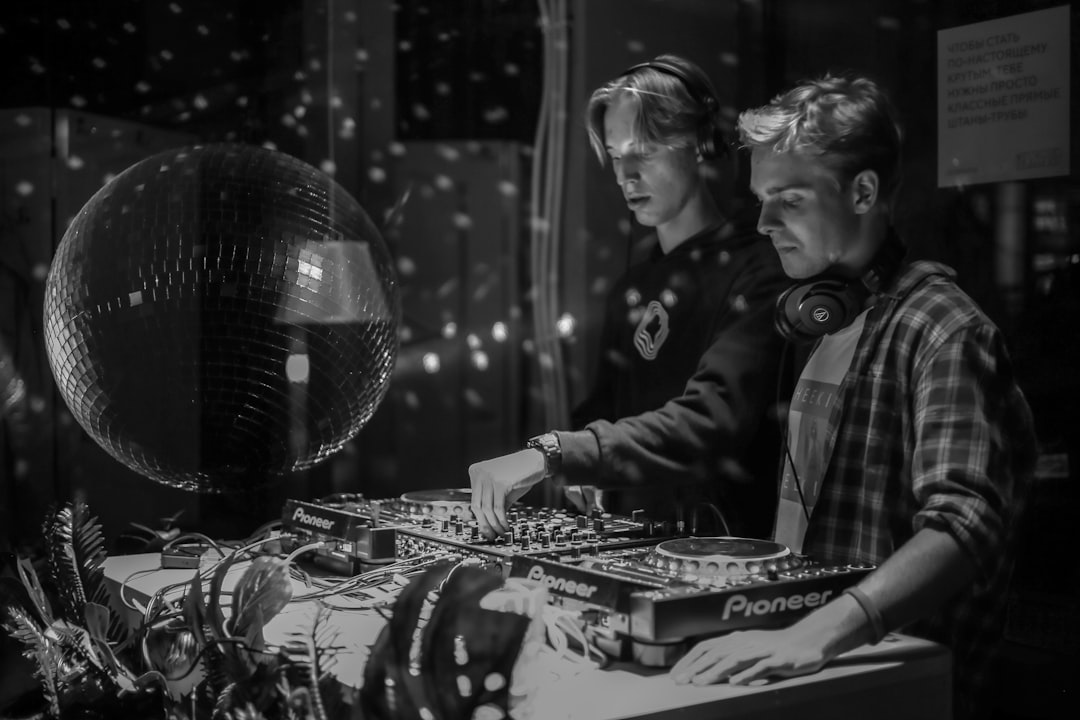
1. Disco. If you lived through the mid-to-late ’70s, you know exactly how big disco was. Heritage Auctions Pop Culture Director Charles Epting says it “dominated the mid to late ’70s and shaped music, fashion and nightlife, encouraging everyone to dance as if they knew exactly what they were doing.”
2. Vinyl records and 8-track tapes. Author and historian Allen J. Wiener says these “were still the main ways people listened to music at home and at parties.” Car owners installed 8-track players in new cars or retrofitted older ones. Later, cassette tapes let music fans create their own playlists. The Sony Walkman took portable music even further.
3. FM radio. Wiener recalls that FM radio was still emerging and often commercial-free. DJs played entire albums uninterrupted. Signals were sharper, and stereo broadcasts became more common.
4. Home and car stereos. Pop culture expert Garry Berman says a growing status symbol among young people was the quality of their home stereo, turntables, quadraphonic speakers, and equalizers. Car stereos became equally important for cruising and blasting albums recorded on cassette tapes.
5. The Beatles’ breakup. Wiener says Paul McCartney’s announcement of the group’s breakup in April 1970 “shocked everyone.” All four members went on to solo careers in the ’70s and occasionally collaborated on each other’s recordings, especially Ringo Starr’s.
6. Elvis Presley’s death. “Elvis Presley’s sudden death in 1977 at age 42 shocked his fans and marked another major moment in the history of rock ‘n’ roll,” Wiener says. He notes that Elvis first emerged on the national scene in 1956 and helped set the tone and style of rock ‘n’ roll.
7. The Jackson 5. Museum curator Kevin Strait at the National Museum of African American History and Culture says the Jackson 5 fueled an era where “Black music and youth culture went global.” Hits like “I Want You Back” and “ABC” carried the sounds of modern Black American popular music to audiences around the world.
Fashion That Made a Statement
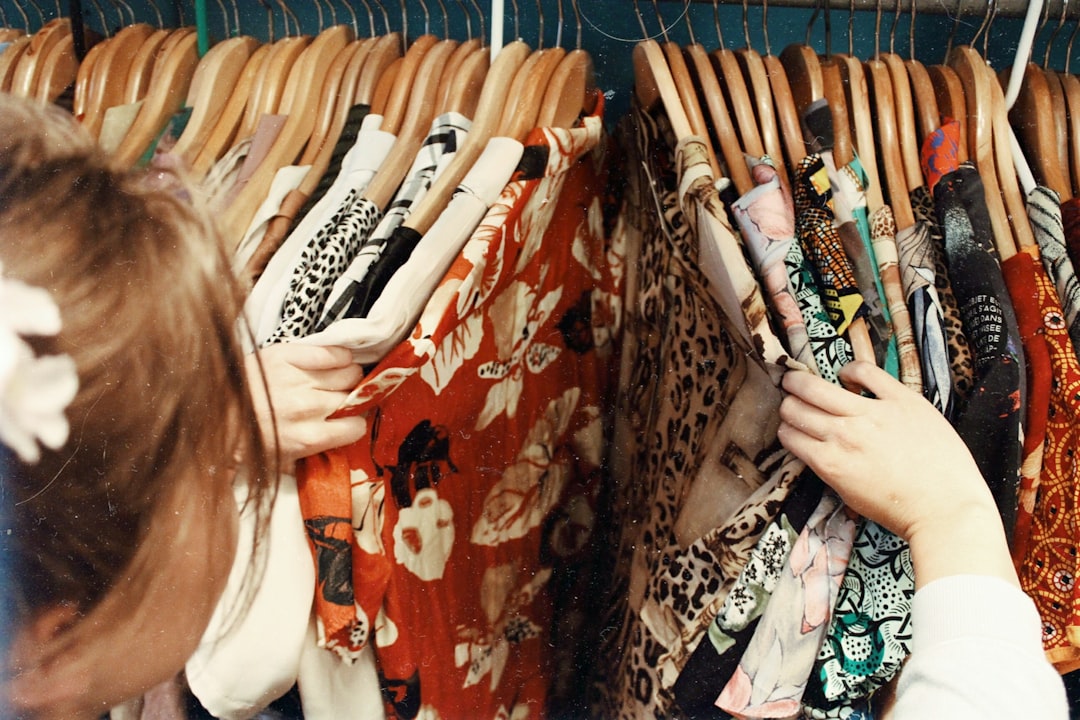
8. Bell-bottom jeans. Epting describes them as pants that “widened dramatically at the bottom, ensuring your pants arrived in a room just before you did.”
9. Platform shoes. Worn by men and women alike, Epting says platform shoes “reflected the bold style of the era and added several inches of height along with a certain level of risk.”
10. Puka shell necklaces. These became a popular accessory as part of the decade’s beach-inspired fashion, Epting says, “whether or not the wearer had ever been near a beach.”
11. Mood rings. These color-changing rings tapped into the ’70s fascination with self-discovery, Epting says, “while mostly confirming that human emotions look a lot like shifting shades of brown and green.”
12. Earth Shoes. Berman explains that Earth Shoes were invented by a Danish yoga instructor and introduced in 1970, shortly before the first Earth Day. They were designed with a sloped heel to lower the back of the foot relative to the front, supposedly to improve health and posture.
13. Farrah Fawcett’s swimsuit poster. Smithsonian curator Eric Jentsch calls the 1976 photo of actress Farrah Fawcett in a red one-piece bathing suit by Norma Kamali “one of the most iconic images of the 1970s.” Photographed by Bruce McBroom, the 29-year-old Texan with her feathered blonde hair found her way onto the walls of more than 12 million homes.
14. Jazzercise. Jazzercise CEO and Chief Choreographer Shanna Missett Nelson says that in the ’70s, “Jazzercise wasn’t just a workout. It was a cultural moment.” Many women sported leotards and leg warmers during the classes. Missett Nelson says the spirit of innovation from those early years has kept Jazzercise relevant for over 50 years.
What Was in Your Living Room
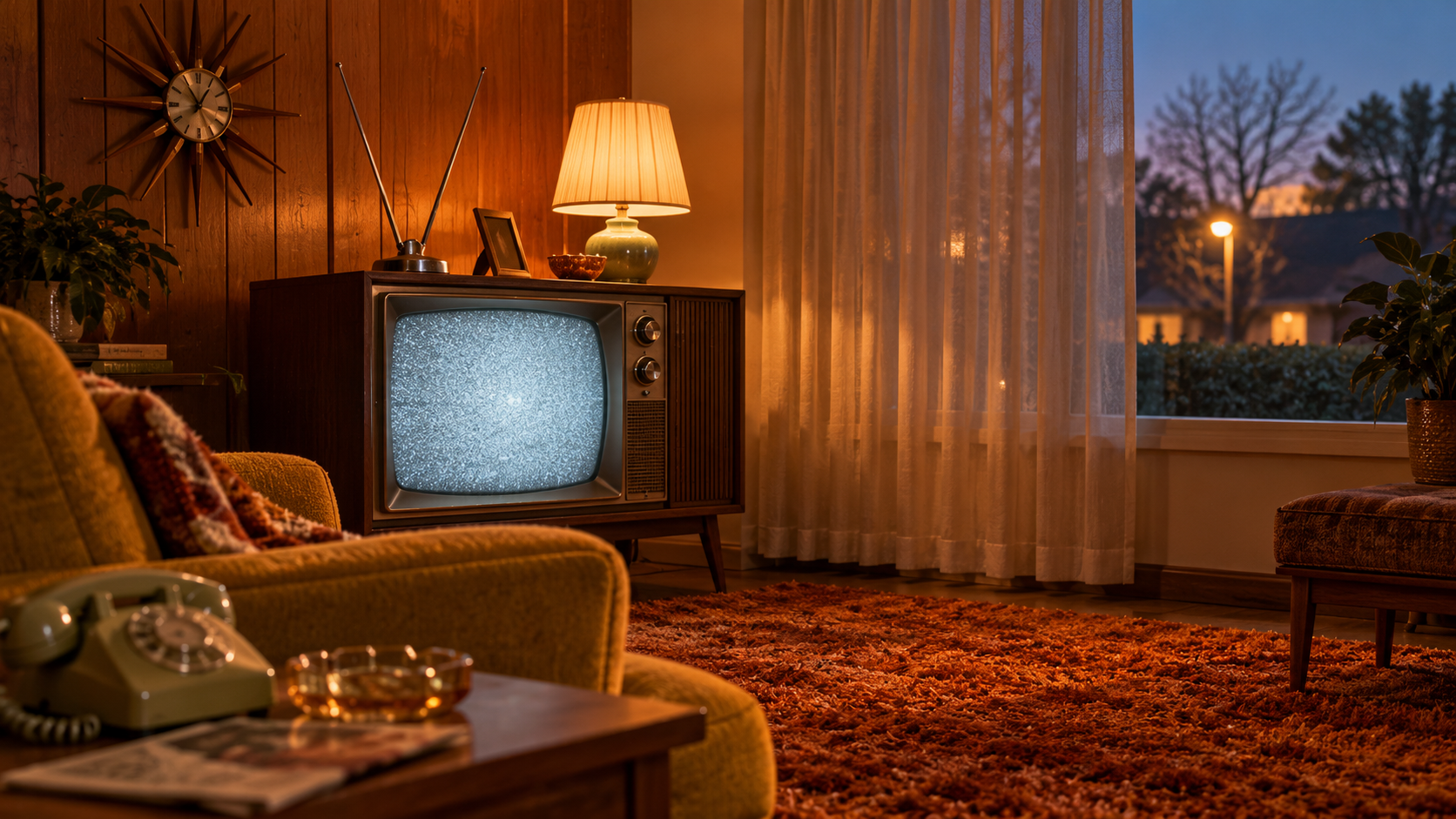
15. Shag carpeting. Epting describes it as a defining home décor trend that “covered entire rooms in thick, colorful pile, usually in earth tones”, with a real talent for quietly absorbing anything you dropped into it.
16. Lava lamps. Carried over from the late ’60s, lava lamps were popular in homes and dorm rooms, adding “a slow-moving glow that seemed very profound at the time,” Epting says. Berman notes they were especially popular with hippie culture throughout the decade.
17. Waterbeds. Marketed as modern and unconventional, Epting says waterbeds “fit the decade’s appetite for novelty and offered a sleeping experience that was memorable, if not always restful.”
18. Touch-tone phones. Epting says the shift from rotary to push-button dialing represented a move toward more modern technology, making calling faster “while still being firmly attached to a wall.”
19. The Sculptura telephone. Smithsonian Design Museum curator Emily M. Orr explains that in the early 1970s, Western Electric introduced its Design Line series to expand consumer choice beyond the standard black landline. The Sculptura model stood out for its bold, rounded form and vivid color, reflecting the influence of Pop Art on everyday objects.
20. The Polaroid SX-70 camera. Orr describes the SX-70 as the first camera to achieve one-step photography. Introduced in 1972 by Edwin H. Land, co-founder of the Polaroid Corporation, this camera required only pointing, focusing, and clicking, then a three-minute wait for the photo to develop. It ejected pictures automatically, without chemical residue.
Toys, Games, and How Kids Spent Their Days
21. Pet Rocks. Berman says they were introduced in 1975 as an alternative to any pet that needed feeding or care. They sold for nearly four dollars and came in a small cardboard carrying case with ventilation holes and straw bedding.
22. Schwinn bicycles. Berman recalls that in the 1970s, nearly every kid had a Schwinn and “looked askance at someone who dared ride a Ross or another brand.” In the summer, kids explored their neighborhoods for hours with little fear of anything dangerous.
23. The Atari 2600. Released in 1977, Epting says it “brought video games into the home and marked a shift in entertainment, even if most games involved a few moving blocks and a lot of imagination.”
24. Yo-yos. Berman says yo-yos have been around for 2,000 years but enjoyed a burst of popularity in the early ’70s as kids and adults attempted to master various tricks. Duncan was the leading brand.
25. Kerplunk. Players took turns pulling out plastic sticks holding up marbles in a plastic canister, Berman explains. The marbles inevitably fell (usually quite loudly), and the player with the fewest dropped marbles at the end won.
26. Skateboarding. Epting says skateboarding grew rapidly in popularity during the ’70s and “became a defining youth activity, along with a reliable way to collect minor injuries.”
Movies and Television
27. All in the Family. Smithsonian curator Ryan Lintelman says the show “broke new ground in American television.” Producer Norman Lear’s sitcoms (including The Jeffersons, Maude, and All in the Family) brought debates about racial prejudice, women’s rights, the sexual revolution, and the Vietnam War into American living rooms. Visitors to the Smithsonian’s National Museum of American History can still see the living room furniture set from the show.
28. Star Wars. Berman calls it “a blockbuster of unprecedented proportions” when it reached theaters in 1977. Pop culture appraiser Leila Dunbar notes that auction prices for Star Wars memorabilia have reached staggering heights, including half-sheet artwork for $3.875 million, a Starfighter for $3.135 million, and Princess Leia’s gold bikini for $266,000.
29. Grease. The iconic film starring Olivia Newton-John and John Travolta debuted in 1978. Dunbar says its popularity has never faded; a jacket Newton-John wore in the film sold for $476,250 in 2024.
30. The Rocky Horror Picture Show. Released in 1975, Epting says it developed a cult following, with midnight screenings that encouraged audience participation and “made going to the movies a much louder experience.”
31. Jaws. When the first Jaws film hit theaters in 1975, it was equal parts fascinating and frightening. Dunbar says memorabilia from the film has sold for significant sums at auction, including a harpoon used by actor Robert Shaw, which fetched $327,600, and his fishing rod, which fetched $239,400.
32. Julia. National Museum of African American History and Culture curator Timothy Anne Burnside calls the TV sitcom Julia, starring Diahann Carroll, “groundbreaking.” Carroll was the first Black woman to star in a non-stereotypical lead role on American primetime television, portraying a widowed nurse navigating everyday life on her own terms.
33. Jim Henson’s Muppets. Although the Muppets date back to the 1950s, Smithsonian curator Ryan Lintelman says they “took the world by storm in the 1970s.” Henson’s absurdist humor and belief in the power of friendship and love made the Muppets symbols of the decade.
34. Daily newspapers and nightly news. Wiener says people relied heavily on daily newspapers and TV evening news programs, such as the CBS Evening News with Walter Cronkite. Those broadcasts brought footage of Vietnam and Civil Rights demonstrations into homes nearly in real time, something that had not been possible before. For many families, it meant confronting the realities of war during dinner.
News and History You Lived Through
35. The Watergate scandal. Wiener says Watergate dominated the news, along with the Vietnam War. The Senate Watergate Committee hearings, chaired by Senator Sam Ervin of North Carolina, were televised live every day. Washington Post investigative reporting helped expose the scandal. Before Nixon could be impeached, he resigned, making Vice President Gerald Ford president.
36. The 1973 oil and energy crisis. Wiener says gasoline cost about $0.35 to $0.50 a gallon until the crisis hit. Prices later peaked at around $1 a gallon, which felt like sticker shock at the time. Gas stations had very long lines, sometimes lasting an hour or more.
37. Smoking was common. Wiener recalls that smoking was allowed in bars, restaurants, and on airplanes. Cigarettes were available everywhere — including vending machines — for less than a dollar a pack, despite growing health warnings.
38. Air travel still felt special. “There were no security lines, seats were larger and airlines served free drinks and better meals,” Wiener says. That began to change with airline deregulation in the late 1970s.
39. The Boeing 747. Smithsonian curator Bob van der Linden says the massive Boeing 747, dubbed the “Jumbo Jet,” entered airline service in January 1970 with Pan American World Airways. It carried 400 passengers — two and a half times more than the Boeing it replaced — opening the world to mass air travel.
40. Bicentennial celebrations in 1976. Berman says festivities marking the 200th anniversary of the United States included Operation Sail in New York Harbor. Throughout the year, CBS produced a nightly “Bicentennial Minute” during commercial breaks.
41. The World Trade Center’s completion. Berman says the original World Trade Center was completed in 1973. The Twin Towers were the tallest in the world at the time.
42. The Vietnam War. Berman explains that the war continued throughout the decade, as did protests against it, even after a ceasefire was declared in 1973.
43. The Patty Hearst kidnapping. Berman says newspaper tycoon William Randolph Hearst’s granddaughter was kidnapped by a terrorist group called the Symbionese Liberation Army. She was held hostage and later took part in their bank robberies and other crimes for nearly two years. She was convicted and served prison time, but claimed she had been brainwashed. Her sentence was commuted and she was later pardoned.
Sports Moments Worth Remembering
44. Muhammad Ali. “Professional boxing became far more prominent,” Wiener says, “especially with the rise of Muhammad Ali.” His political battles, refusal to join the military draft, conversion to Islam, and banishment from boxing made him a major public figure. His bouts with Joe Frazier and George Foreman, Wiener says, “still rank among the greatest fights of all time.”
45. Baseball’s expansion. Wiener explains that baseball continued to grow, with the Seattle Mariners and Toronto Blue Jays joining the American League. The league also adopted the Designated Hitter. Many cities built new stadiums, and players gained salary leverage through the arrival of free agency.
46. Secretariat’s 1973 Triple Crown season. Dunbar says it was a defining moment in horse racing history. A custom jacket made for jockey Ron Turcotte (worn during his 31-length victory at the Belmont Stakes) recently set a record as the most expensive piece of horse racing memorabilia ever sold at public auction, at $1.524 million.
47. Wayne Gretzky’s NHL debut. In 1979, Dunbar says, you could have bought his Topps rookie card for 10 cents. Today, depending on the condition, that card sells for $500 to $3.75 million. Gretzky’s Edmonton Oilers rookie jersey sold for $650,000 in 2021.
A Few More Things Only ’70s People Know
48. CB radios. Epting says CB radios became a cultural phenomenon, fueled by trucking culture and pop media, briefly turning everyday drivers into amateur broadcasters with nicknames.
49. Giant pandas Ling-Ling and Hsing-Hsing. Smithsonian’s National Zoo curator Laurie Thompson calls their 1972 arrival from China “an unforgettable moment” that sparked true “pandemonium” in Washington, D.C. Their debut launched the zoo’s giant panda conservation program, which has helped move the species off the endangered list.
50. Folklife festivals. Smithsonian festival curator Cristina Diaz-Carrera says one defining feature of the ’70s was the spread of folklife festivals across the country, outdoor spaces for music jams, traditional foods, crafts, and just generally hanging out.
How many of these did you live through? If you are like most of our generation, a good number of them brought a smile or maybe a very specific memory you had not thought about in years. That is the ’70s for you. Once it gets into your head, it never really leaves.