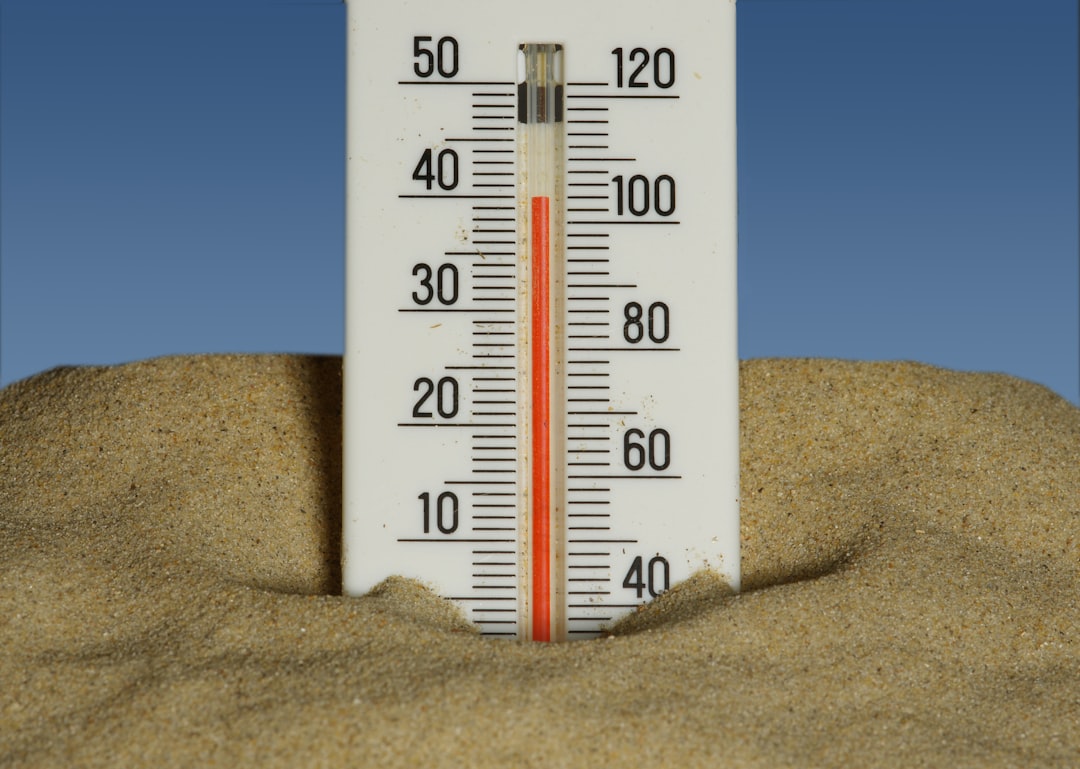
Summer heat is more than uncomfortable. In an average year, extreme heat kills more Americans than hurricanes, tornadoes, and floods combined. That is a sobering fact worth keeping in mind before you head outside this season.
Understanding what heat actually does to your body can help you catch the warning signs early and stay safe.
What Happens Inside When It Gets Too Hot
When temperatures climb, your body works hard to cool itself down. It sweats. It redirects more blood toward your skin. But that means less blood, and less oxygen reaches your gut.
If that goes on too long, the lining of your gut can become more permeable. Toxins that normally stay contained can start leaking out. Those toxins can trigger inflammation, blood clots, and eventually multiple-organ failure.
High humidity makes everything harder. Sweat cools you down by evaporating off your skin. When the air is already thick with moisture, that evaporation slows way down. Your body loses its best cooling tool.
Your Heart Works Overtime
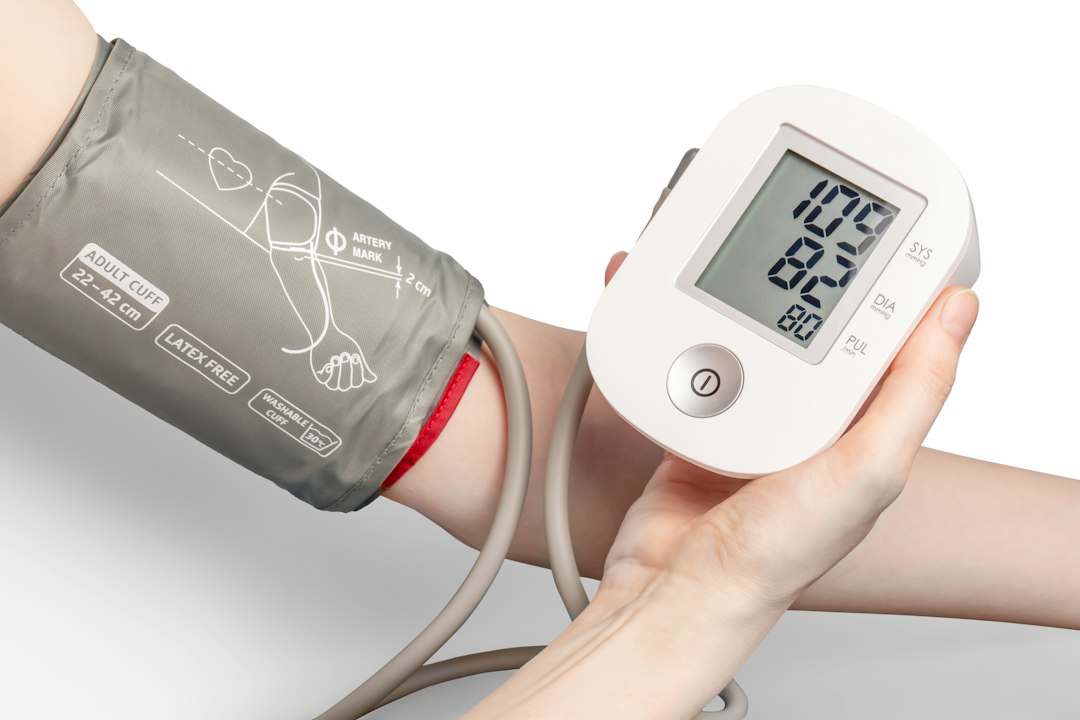
All that extra blood pumping to your skin causes your arteries to widen, which lowers your blood pressure. Your heart then has to beat harder and faster just to keep things running.
That added strain can trigger a heart attack or stroke. Older adults and people with existing heart conditions face a higher risk from this kind of heat stress.
Your Kidneys Feel It Too
Sweating is hard on your kidneys. You can lose up to 1.5 liters of fluid in a single hour. If you do not replace those fluids, your blood volume shrinks. Your heart and kidneys then work even harder to keep your blood pressure up and that can lead to kidney failure.
Physical activity in the heat adds another layer of risk. Strenuous exertion can cause muscle tissue to break down and release proteins into the bloodstream. Those proteins can clog the kidneys. People who do outdoor physical work such as gardening, landscaping, yardwork and those with existing kidney problems face a higher risk here.
Who Needs to Be Most Careful
Some of us are more vulnerable than others. Older adults may have a reduced ability to sweat, which makes cooling down harder. People with chronic conditions like heart disease face extra risk. Young children, pregnant women, and anyone doing strenuous outdoor activity are also in a higher-risk group.
That said, even healthy younger people can be overwhelmed by extreme heat. No one is immune.
Signs to Watch For and What to Do
The first warning signs of heat exhaustion include headaches, dizziness, low energy, and a general feeling of being unwell. Do not push through those feelings. They are your body asking for help.
If your core body temperature rises to around 104 degrees Fahrenheit, you are in heatstroke territory. That can be deadly.
A few habits that help:
- Drink plenty of water before you go outside
- Drink water every 15 to 20 minutes when you are physically active in the heat
- Stay in the shade, direct sunlight heats your body faster
- Check heat advisories in your area and take them seriously
You do not have to give up the garden or skip the morning walk. You just need to go in with your eyes open. A little awareness can make all the difference on a hot summer day.