You may have seen alarming posts on social media lately urging people to stockpile 90 days’ worth of food and supplies. Before you start clearing out a spare bedroom, folks at Reader’s Digest have put together what is actually going on and what you really need to do.
The short answer: do not panic. The 90-day figure comes from a Pentagon plan to make U.S. military bases self-sustaining in the event of a war. It was never meant for the general public.
What the Government Really Recommends
For everyday Americans, official guidance has not changed. Ready.gov still advises having a “several-day” supply of bottled water, nonperishable food, batteries, chargers, and other basic emergency items on hand. That is it. Three days, not three months.
Several other countries have recently updated their own guidelines, but even those are measured in days, not months. Here is a quick look at what each recommends:
- United States: A several-day supply of water, food, batteries, and chargers
- Britain: Three days of supplies, including 9 liters of water per person
- Japan: Three days of supplies, plus securing furniture and keeping a portable toilet on hand
- Norway: One week of supplies
- Germany: Ten days’ worth, with three days as a bare minimum
- Sweden: One week of supplies
Why Are Governments Paying Attention to This Now?
There are a few real reasons behind the renewed focus on preparedness, and none of them are new. Climate change is making natural disasters more frequent and more intense. Heat waves, droughts, and hurricanes are all happening more often. According to the United Nations, climate disasters displaced nearly 46 million people in 2024.
Cyberattacks are another concern. Just recently, a flaw in PHP (a programming language used by 70 percent of the world’s websites) caused millions of sites to be attacked and knocked several governments offline temporarily. Lynn Budd, a former president of the National Emergency Management Association, points out that hackers often strike during natural disasters. “Everybody’s paying attention to the tornado, so our adversaries take advantage of that time,” she told The Guardian.
International tensions are also a factor. Sweden and Britain specifically named hostile foreign actors as a reason for updating their emergency guidance. And experts note that being separated from other countries by two oceans no longer provides the buffer it once did; cyber threats and terror attacks can reach anywhere.
Should You Go Out and Buy 90 Days of Food?
No. Official U.S. guidance remains three days’ worth of supplies. Groceries are expensive right now, and most of us do not have the storage space for three months of food anyway. Do what makes you most comfortable, but do not let social media (especially anyone who is selling something) push you into more than you need.
What Should Your Emergency Kit Include?
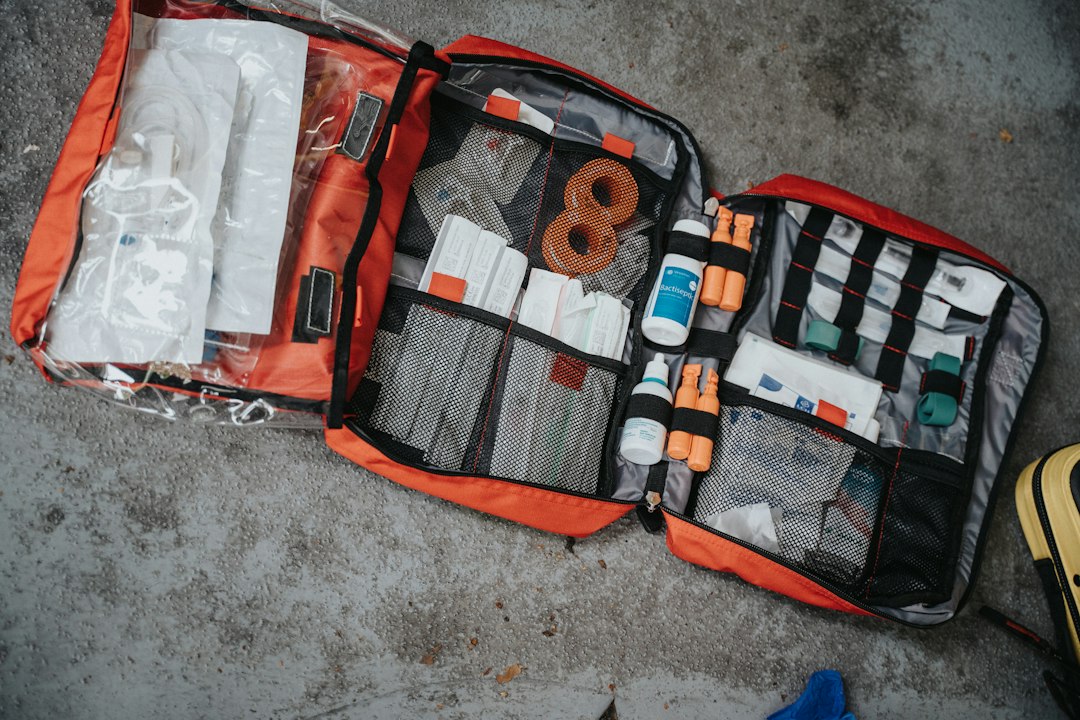
Whether you are preparing for a bad storm, a power outage, or anything else that might knock out services for a few days, here is what experts say every household should have:
- Water: 1 gallon per person, per day
- Nonperishable food: a three-day supply
- First aid kit
- Flashlight and extra batteries
- Dust masks or respirators
- Phone chargers and backup batteries
- Weather radio
- Manual can opener and basic tools
- Personal sanitation items: trash bags, twist ties, and moist towelettes
- Medications
For a full list, visit Ready.gov/kit. It is free, it is official, and it is a lot more reassuring than anything in your social media feed.
Preparing for a few hard days is something our generation knows how to do. A well-stocked pantry and a solid plan are all you really need.