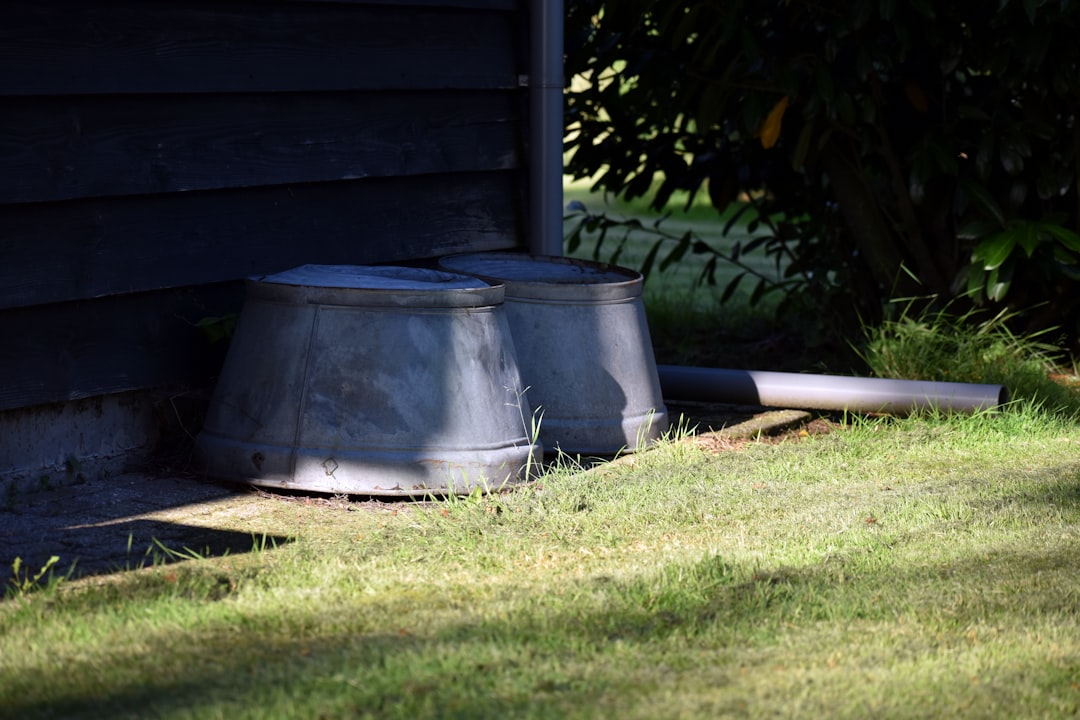
You look out the window, watch the rain come down, and think: why let all that water go to waste? A barrel under the downspout seems like the most sensible thing in the world.
Here is the part nobody tells you. Depending on where you live, there are actual rules about this.
It Is Legal But Not Without Limits
Rainwater harvesting is legal in all 50 states. A standard rain barrel is permitted everywhere. That is the good news.
The catch is that 38 states have no restrictions at all, but the rest do place limits on how much you can collect, where you can collect it, and how long you can store it. Your exact ZIP code matters quite a bit.
If you live in a neighborhood with an HOA, there may be additional rules about barrel placement and maintenance on top of whatever your state says.
Why Bother Collecting It?
There are some real benefits to catching rainwater. Plants tend to do better with it. Unlike tap water, rainwater does not pass through pipes or filtration systems, which can make a noticeable difference in your garden.
You can also use it for outdoor chores: washing the car, rinsing off the patio or driveway. Less water from the tap means a lower monthly bill. And any water you use from a barrel is water you are not pulling from the municipal supply, which is good for the environment.
On the flip side, standing water in a barrel can attract mosquitoes. And some old property codes actually treated it as a form of theft if water that had not fallen directly on your land ended up in your collection. That history is part of why certain state laws still restrict some harvesting methods.
What the Rules Look Like by State
Some of the state-specific rules are worth knowing before you invest in a system:
- Colorado limits residents to 110 gallons at a time; that is two 55-gallon barrels per property.
- Nevada allows rainwater collection only from your roof.
- Oregon and Washington require a water right permit for larger barrels.
- Utah allows up to 2,500 gallons, but any system larger than 100 gallons must be registered.
The rules tend to be strictest in states that receive less rainfall. That makes sense; water is a more limited resource in those regions.
Before you set anything up, it is worth a quick look at what your state actually allows. A little research upfront can save you a headache later and get you on your way to a greener, cheaper yard this season.