
Nobody plans on having an emergency. But the people who come through them best are usually the ones who knew what to do before panic set in.
A little knowledge goes a long way. Here are 15 facts by Mental Floss that could make a real difference, for you or for someone you love.
When Someone Goes Down
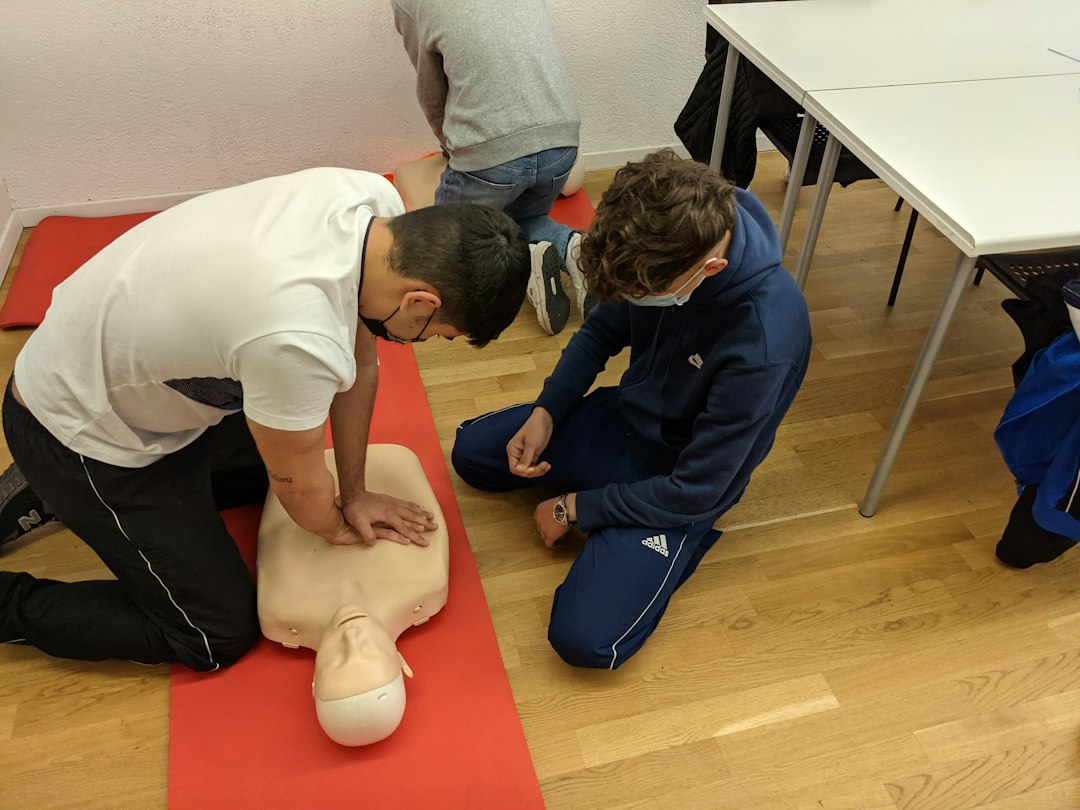
Unconscious and not breathing normally? Start CPR right away. Chest compressions keep blood moving to the brain and vital organs until paramedics arrive.
Unconscious but still breathing? Roll them onto their side, what’s called the recovery position. It keeps the airway open and reduces the risk of choking.
Severe bleeding? Apply firm, continuous pressure directly to the wound. That steady pressure can slow or stop blood loss and buy time for emergency care.
Heat, Cold, and the Outdoors
Heat stroke needs rapid cooling, not just a glass of water. Bringing the body temperature down quickly can limit potentially fatal organ damage.
Caught in a rip current at the beach? Don’t fight it by swimming straight to shore. Swim parallel to the shoreline instead. Rip currents pull you away from land, but swimming parallel can get you out of the current before you head back in.
Fallen through ice? Turn toward the direction you came from; that ice already held your weight. Spread your arms across the surface, kick your legs, pull yourself out, and then roll away from the hole. Don’t stand up right away.
Caught outside in a lightning storm? Don’t shelter under a lone tree. Trees can conduct lightning and expose anyone nearby to a dangerous electrical current.
Fire and Gas at Home
Escaping a burning building? Close doors behind you as you go. A closed door can slow the spread of both fire and smoke, giving you more time to get out.
Smell gas in your home? Leave immediately and don’t touch any light switches or electrical switches on your way out. An electrical spark can ignite accumulated gas. Get out first, then call for help from outside.
Suspect carbon monoxide? Don’t open a window and stay inside to investigate. Get everyone out into fresh air right away and call emergency services or the fire department from outside.
Smell something burning from an electrical outlet? Don’t try to unplug the device. An electrical fault in the outlet could give you a serious shock. If it’s safe to do so, turn off power at the breaker, then get away from the area.
Poisons, Snakebites, and Other Surprises
Swallowed an unknown substance? Don’t try to induce vomiting. With certain poisons, vomiting can cause additional injury. Call Poison Control for instructions on what to do.
Venomous snakebite? Keep the bitten limb still and get to emergency care as quickly as possible. Movement increases circulation, which can speed the spread of venom through the body.
Fishhook embedded deep in the skin? Don’t yank it out. Pulling on a deeply embedded hook causes more tissue damage, not less. Cover it and seek medical care.
Car goes into deep water? Don’t wait for the car to fill before you try to escape. Unbuckle your seat belt, open or break a window if you can, and get out while the vehicle is still accessible.
None of us wants to think about worst-case scenarios. But a few minutes reading this today could matter enormously someday. Keep it in mind and maybe share it with someone you care about.