Why Family Dinners Together Matter More Than You Think
August 4, 2026 — 65Nation
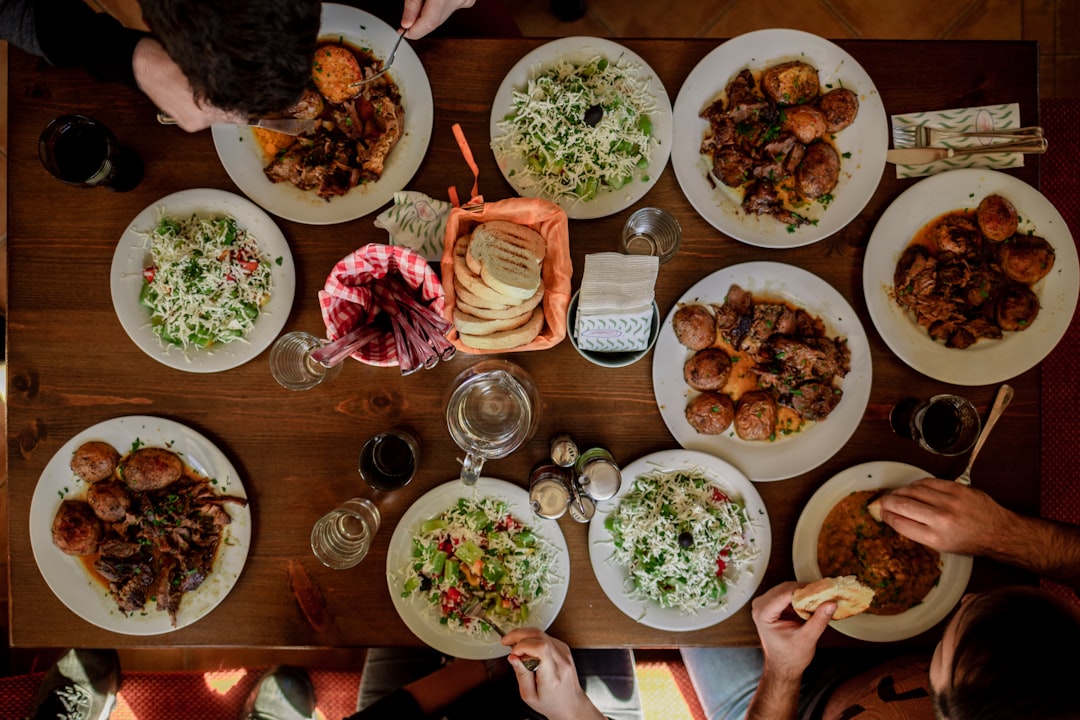
You already know the feeling. Everyone is seated, the food is warm, and for a little while the whole family is in the same room at the same time. As a grandparent, you have probably hosted more of those meals than you can count.
Turns out, those dinners were doing something important. Psychologists told Parade that families who eat together regularly share one thing in common: a stronger, deeper connection.
What Happens When You Sit Down Together
Family therapist Samantha Quigneaux, LMFT, and National Director of Family Therapy Services at Newport Healthcare, puts it this way. It is not just the food that matters. It is the consistency of coming together, free from distractions, to listen, talk, and check in with each other. Those small, everyday moments build trust and help children feel seen, supported, and secure.
Dr. Roseann Capanna-Hodge, Ed.D., LPC, BCN, a therapist, certified school psychologist, and author of The Dysregulated Kid, adds something worth knowing. Sitting down for a meal actually helps calm the nervous system. When everyone is settled and at ease, conversation flows more naturally and trust grows more easily.
Five Real Benefits of Eating Together
The research backs up what many grandparents have always sensed. Here is what the experts say shared meals actually do for children and families:
- Better communication skills. Children learn how to listen, negotiate, and express themselves at the dinner table. Quigneaux says these habits build confidence and emotional awareness that last well beyond childhood.
- A sense of stability. Consistent routines help children feel grounded, especially during uncertain or changing times. Knowing what to count on, and who to count on, matters deeply to kids.
- More mindful living. Putting distractions aside and being fully present with each other, even for thirty minutes, promotes gratitude and strengthens relationships. As Quigneaux notes, the most important thing served at dinner is not the meal. It is the connection.
- Greater focus at school. When children feel regulated and supported at home, Dr. Capanna-Hodge says they are better able to focus, problem-solve, and learn in the classroom.
- Earlier recognition of struggles. Families who gather consistently are more likely to notice when something seems off. Quigneaux points out that subtle changes in mood, appetite, or behavior are easy to miss when you do not have regular time together. You cannot notice what you do not have the chance to see.
How Often Is Often Enough?
You do not have to aim for seven dinners a week. Quigneaux says quality matters more than perfection. Two or three intentional shared meals a week can still produce meaningful benefits, as long as everyone is present and engaged. And it does not have to be dinner; any meal counts.
Dr. Capanna-Hodge agrees. Consistency beats perfection. Each calm, connected meal helps build emotional resilience and reinforces that sense of being loved and cared for.
The Difference Between Eating and Connecting
There is a difference between sitting in the same room with food in front of you and actually connecting. Quigneaux calls the first one passive eating: phones out, television on, everyone going through the motions. Over time, she says, that habit can quietly create emotional distance.
Intentional connection is something different. It means treating mealtime as protected family time. Devices put away. Thoughtful questions asked. Real listening happening.
Nine Conversation Starters Worth Keeping Handy
If the table ever goes quiet, Dr. Capanna-Hodge recommends simple, open-ended prompts that help kids feel safe and engaged. Here are nine to try at your next family meal:
- What is one thing that made you laugh today?
- Did anything surprise you today or make you think differently?
- What was the hardest part of your day?
- What was the best part of your day, and what made it meaningful?
- Who did something kind that you noticed today?
- If you could teach me something today, what would it be?
- What is one thing you are looking forward to this week?
- What is something someone did recently that made you feel appreciated or cared for?
- If our family could go on an adventure anywhere in the world tomorrow, where would we go?
The next time you pull up a chair at the family table, know that the meal is just the beginning. What happens in the conversation around it is the part they will carry with them.