What Grandkids Need Most From You, Per Psychologists
September 25, 2026 — 65Nation
You do not need to plan the perfect outing. You do not need to have the right words. According to three child psychologists, what your grandchildren need most from you is also the most natural thing in the world: your undivided attention, without any pressure attached.
It sounds simple. But child psychologists told Parade it is more powerful than most grandparents realize.
Why Your Presence Matters So Much
Dr. Elizabeth Solomon Loyola, Psy.D., a licensed psychologist and owner of Child Psychology Center, Inc., explains it this way: grandparents can offer love and support without the stress of day-to-day parenting decisions. At this stage of life, you can simply enjoy your grandchildren without juggling everything else that comes with raising them.
That freedom is a gift, for them and for you.
“An involved, emotionally available grandparent is so important for a child’s development,” Dr. Loyola says. She also points out that the relationship benefits you just as much. Staying connected to grandchildren supports social engagement, physical activity, and healthy aging.
Psychologists call what you provide “unconditional positive regard” the experience of being loved without strings. No correcting, no rushing, no comparing. Just the message: You matter to me exactly as you are.
“Undivided attention is a way to show unconditional positive regard,” Dr. Loyola explains. “It lets the child know, ‘You’re the important thing in this moment, and you have my full attention.'”
What That Looks Like at Every Age
The good news is that quality time does not have to be elaborate. Registered psychologist Caitlin Slavens, who is the clinic owner and co-founder of Cradles to Couples, says the activity matters far less than the feeling it creates.
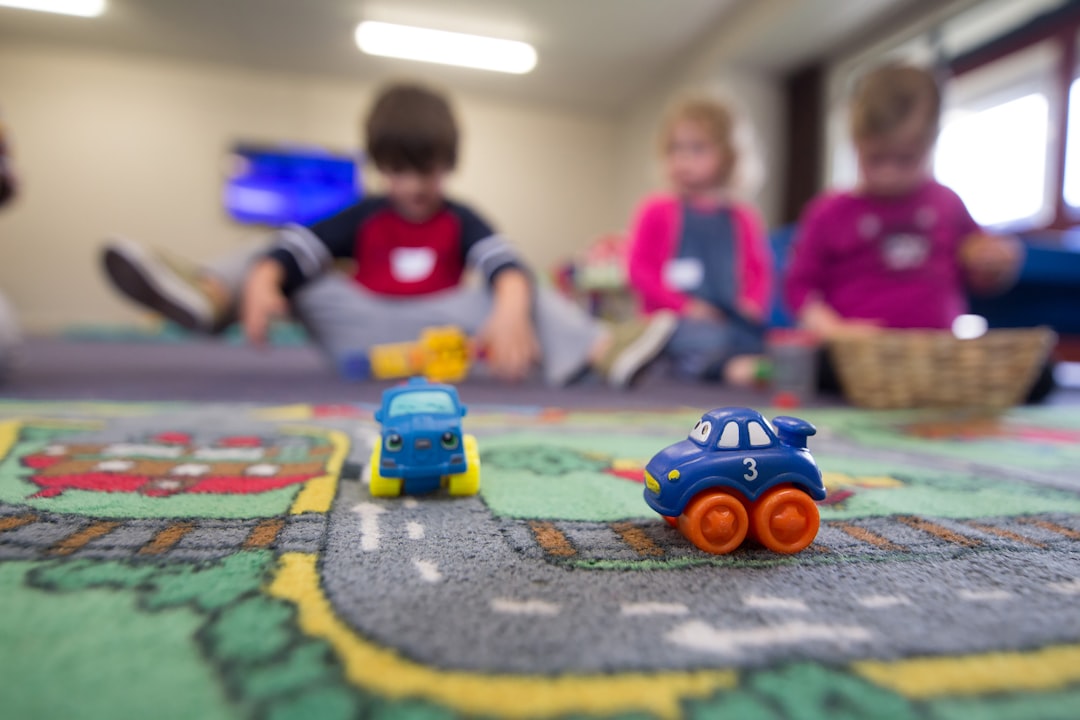
With toddlers and young children, keep it simple. Get on the floor and let them lead. Read the same favorite book again and again. Go for a walk and let them stop to examine every bug and rock. Bake something easy together. Blow bubbles. Build blocks. Have a little dance party.
“Toddlers and preschoolers spend a lot of their day being rushed,” Slavens says. “When they have an adult who has time to follow their lead at their pace, it can feel very special.”
With school-aged kids, ages 6 to 12, showing interest in what they love is what makes them feel seen. Shoot hoops. Play a board game. Learn the basics of whatever they are obsessed with right now, even if it is Pokémon. Go for ice cream. Work on a project together.
Slavens also says this is a great age to start a standing tradition. Saturday pancakes. A monthly movie night. A special card game. It does not have to be big.
“The activity matters less than the feeling of, ‘This is something Grandma or Grandpa and I do together,'” she says.
When it comes to conversation, skip “How was school?” Instead, try asking what made them laugh this week, who they like sitting beside, or what their favorite game at recess is.
With teenagers, Slavens says the approach shifts a little. They want connection but do not always want to feel pulled into a formal conversation. A drive, coffee, cooking together, or watching something they enjoy can open more doors than sitting them down for a talk.
“Sometimes grandparents think, ‘They don’t want anything to do with me anymore,'” she says. “Usually that isn’t true. Teenagers are naturally becoming more independent. The relationship may just need to change.”
One Golden Rule: Support the Parents
Child psychologists are unanimous on this point. One of the most important things you can do for your grandchildren is to support their parents, not compete with them.
“Children feel safer when the important adults in their lives are not competing for authority and respect,” says Dr. Ioana Pal, Psy.D., a licensed clinical psychologist at Stramski Children’s Development Center at Miller Children’s & Women’s Hospital in Long Beach, CA.
She suggests something like: “Your mom and dad have made that rule, and we’re going to respect it.” Disagreements with your adult children are fine, just handle them privately, not in front of the grandkids.
Slavens adds that having your own special traditions or slightly different rules is perfectly fine. Children understand that grandma does things a little differently. The problem only comes when those differences start feeling like a competition.
If You Live Far Away
Distance is real, but it does not have to define the relationship. Dr. Pal is clear on this: “Physical distance does not have to mean emotional distance. Consistency matters more than frequency.”
Here are some ways to stay close across the miles:
- A weekly video call, same day and time
- Reading the same book from different homes and talking about it
- Sending handwritten cards or small packages in the mail
- Celebrating birthdays and milestones together over video
- Recording yourself telling family stories
- Sharing old family photographs
- Creating a special phrase, joke, or tradition that belongs just to the two of you
- Asking about their interests, and remembering the details next time
Slavens puts it beautifully: “The goal is to create the feeling that even from far away, this person knows me, remembers what matters to me and is interested in my life.”
That is the whole thing, really. Show up with your attention. Remember the small stuff. Let them know they matter. The rest takes care of itself.