Stay Active, Stay Present: Keeping Up With the Grandkids
August 12, 2026 — 65Nation
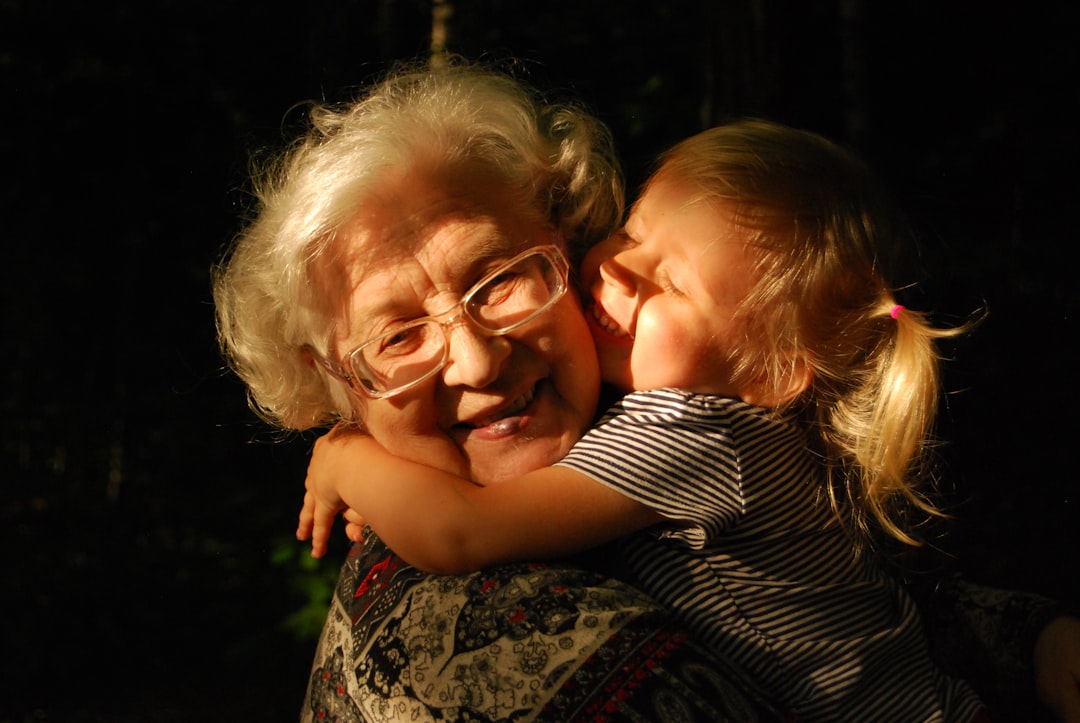
School pickups. Saturday soccer games. Family vacations. Afternoons on the floor building something out of blocks or racing around the backyard. Being a grandparent today means showing up, really showing up, in ways that keep you moving.
And honestly? Keeping pace with a six-year-old is no small thing.
The good news is that staying active and healthy makes those moments more enjoyable. And it supports something just as important: your long-term independence. The two things go hand in hand.
What works best is not one big dramatic change. It is the small stuff, done consistently. A gradual, steady approach to your health, whether that means moving more, eating better, or taking care of your skin and your body day by day, tends to produce the most meaningful results over time.
You are already putting in the hours
AARP surveyed nearly 3,300 grandparents across the country in late 2025. It found there are about 65 million grandparents in America, and that on average they give the equivalent of 12.5 weeks of full-time work every year to caring for their grandchildren.
That is a real job. Nobody hands you a schedule for it.
The survey also asked how that care feels. Fifty-nine percent said it energizes them. Thirteen percent said it leaves them physically taxed. Twenty-six percent said both are true, depending on the day.
That last group has it about right. Some afternoons you come home from the park lighter than you left. Some afternoons your back has something to say about the play tunnel you crawled through.
Either way, the activity is already on your calendar. The question is how ready your body is when it shows up.
What actually counts as exercise
Probably more than you would guess.
The CDC recommends that adults 65 and older get at least 150 minutes of moderate activity a week. That works out to 30 minutes on five days, or about 22 minutes a day. Add muscle-strengthening on at least two days, plus something that challenges your balance.
Here is the part people miss. The CDC counts ordinary activity toward that total. Mowing the lawn. Carrying groceries in from the car. Walking the dog at a pace where you can hold a conversation but would have trouble singing.
In 2022, about 14 percent of adults 65 and older met both the aerobic and the muscle-strengthening targets, according to a CDC report. That leaves a lot of room to move up, and every step up counts. The CDC’s own phrasing on this is worth borrowing: some activity is better than none.
Strength and balance are what protect the future
This is where the independence piece comes in.
Falls are the leading cause of injury for adults 65 and older. More than one in four report a fall each year, which adds up to over 14 million people. Falling once doubles the odds of falling again. And fewer than half of the people who fall ever mention it to their doctor.
Those numbers can sound grim. They are also the most changeable numbers in the whole picture. The CDC lists reduced risk of falling and more years of independent living among the direct benefits of regular activity, and balance work is a specific part of what it recommends.
Balance training requires no gym membership. A few things that fit into a normal day:
- Stand on one foot while the coffee brews, with a hand near the counter.
- Get up from a kitchen chair without using your arms, three or four times in a row.
- Walk heel to toe down the hallway, the way you would on a painted line.
- Carry the laundry basket up the stairs yourself.
Muscle matters here too. Research from the National Institute on Aging’s Baltimore Longitudinal Study of Aging found that muscle power and performance decline slowly at first after peaking in the thirties, then faster after about 65 in women and 70 in men. Researchers studying that decline point consistently to resistance training as the most effective way to slow it. A resistance band, a pair of light dumbbells, or your own body weight against a wall is enough to begin.
If you have a heart condition, a joint replacement, or anything else that makes you hesitate, that is worth a conversation with your doctor first. Ask what is safe for you, then start there.
Your skin is doing a job too
Ballparks. Beaches. Backyards at two in the afternoon. Grandkid time and sun exposure tend to travel together.
Skin changes over the years. It gets thinner, loses some of its fat layer, and takes longer to heal from scratches and cuts, according to the National Institute on Aging. Years of sun add wrinkles, dryness, age spots, and cancer risk on top of that.
The NIA’s guidance is short and doable. Use a broad spectrum sunscreen with SPF 15 or higher, and put it on 15 to 30 minutes before you head outside. Wear a hat and sunglasses. Moisturize with a lotion or ointment every day, paying attention to the lower legs, elbows, and forearms, where dry patches tend to show up first. Drink water. Skip the cigarettes.
Then look yourself over now and then. Anything new, changing, or slow to heal is worth showing a doctor.
Make it fit the life you already have
The habits that stick are the ones attached to something already on the schedule.
Walk the perimeter of the field during soccer practice instead of taking a seat in the bleachers. Take the stairs at school pickup. Do your balance work while the coffee brews, because the coffee brews every morning whether you remember to exercise or not.
None of it looks like much on any given day. That is exactly the point.
Think of it this way. Small daily habits are what healthy aging is really built on. Not the grand gestures. The quiet, regular ones.
The grandkids are not slowing down anytime soon. But with the right habits in your corner, neither do you.