Remember those long summer days when kids just went outside and figured it out? No schedule, no screens, no adult directing every move. If that sounds like the summers you grew up with, you were onto something and the grandkids in your life could use a little of that magic right now.
Two psychologists, neuropsychologist Dr. Sanam Hafeez of Comprehend the Mind and psychologist Dr. Michael Roeske of Newport Healthcare, said to Parade that unstructured, screen-free time is one of the best things a child can have this summer. And as a grandparent, you might be exactly the right person to make it happen.
Why the Old Way Still Works
Dr. Hafeez says the best thing about those carefree summers from decades past was not any single activity. It was the long stretches of time where kids had to decide what to do on their own. That kind of freedom taught them to be creative, settle disagreements and solve small problems without an adult stepping in.
Dr. Roeske agrees. He says unplanned play is not simply entertainment. It is an essential part of children’s cognitive, emotional and social development. It can lower stress, support emotional regulation, strengthen creativity and give children practice with flexibility and problem-solving.
Summer is also one of the few times kids can slow down and simply be kids, Dr. Hafeez notes. That slower pace helps them develop independence, making small decisions, taking small risks and learning from them.
10 Old-Fashioned Activities the Grandkids Will Love
Whether the kids are visiting you for a week or you are looking for ideas to share with their parents, here are ten screen-free activities that psychologists say are genuinely good for children and that your generation already knows work.
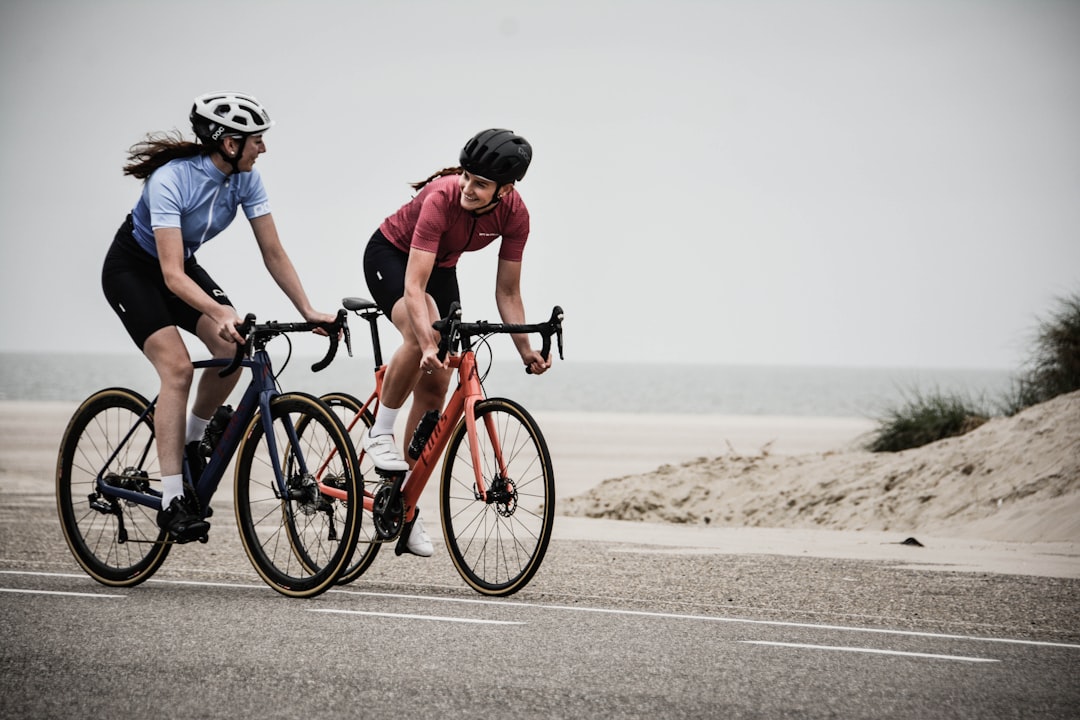
- Ride bikes around the neighborhood. Dr. Hafeez says bike rides teach kids to be aware of their surroundings, make quick decisions and gain a sense of independence. Dr. Roeske adds that physical activity supports mood and reduces stress.
- Plant and care for a garden. Watching something grow over weeks helps children understand that good things take time and consistent care. Dr. Roeske says gardening also promotes patience, responsibility and mindfulness.
- Sidewalk chalk. Dr. Roeske says creative expression gives children an outlet for emotions while encouraging imagination. Dr. Hafeez notes it also helps kids practice writing and drawing without feeling like schoolwork.
- Build and sail paper boats. Folding and testing paper boats encourages creativity, problem-solving and perseverance, Dr. Hafeez says. Kids love experimenting with different designs to see which ones float the longest.
- Build a backyard fort. Dr. Roeske says open-ended imaginative play like this encourages creativity, flexible thinking and gives children ownership over their environment.
- Wash the family car. Something that sounds like a chore can turn into something fun. Dr. Hafeez says it teaches responsibility while giving kids a chance to work alongside family. Kids learn that everyday tasks can become enjoyable together.
- Play a game of tag. The rules are simple enough for kids of all ages to join in with very little setup, Dr. Hafeez says. It encourages inclusion and helps children make new friends through shared play.
- Have a picnic. Dr. Hafeez says a simple picnic creates space for conversation, shared meals and uninterrupted family time. It helps kids learn that meaningful moments do not need technology to be fun.
- Go to a park. Parks give kids the freedom to invent their own games, climb and run around. Dr. Hafeez says that kind of unstructured play builds confidence, resilience and social skills. Dr. Roeske adds that time outdoors reduces stress and encourages curiosity.
- Catch lightning bugs. Dr. Hafeez says looking for fireflies creates memorable summer moments that many adults still remember from their own childhoods. A jar, a warm evening, and a little wonder. That is all it takes.
Why a Little Boredom Is Actually a Good Thing
Here is something that might surprise you. The psychologists say you should actually let the grandkids be bored sometimes.
Dr. Roeske explains that when children are not constantly occupied by structured activities or digital entertainment, they feel a healthy pressure to create their own experiences and solve problems independently. Occasional boredom also strengthens their ability to handle frustration and build adaptability.
Dr. Hafeez adds that boredom teaches patience and helps kids learn to solve problems on their own, which builds confidence over time. Quiet, unstructured time also gives their brains a break from the constant stimulation of screens and packed schedules.
The Right Mix of Play
According to Dr. Hafeez, a mix of play types gives children the most well-rounded experience. Here is what each one offers:
- Independent play helps children build confidence because they learn to solve problems and make decisions on their own.
- Parent- or grandparent-led activities create family traditions and quality time together. Kids feel supported and connected when adults are actively involved.
- Co-play where you participate alongside the grandkids and let them lead strengthens family connection, encourages open communication and creates positive shared experiences without taking away a child’s sense of independence, Dr. Roeske says.
A Few Tips on Screens
Screens are not the enemy, the psychologists say. But a few simple habits can help keep things balanced when the grandkids are with you.
- Designate meals and outdoor time as device-free, Dr. Roeske suggests. It strengthens relationships and encourages kids to engage with the people around them.
- Encourage outdoor play, reading or creative projects before any screen use, he says.
- Keep art supplies, books and outdoor toys easy to reach. Dr. Hafeez says kids are much more likely to choose an activity when they can grab it themselves.
- Instead of strict time limits, talk with the kids about why screen-free time matters, Dr. Roeske advises. Involving them in the conversation encourages greater buy-in.
You already know these summers are short. The grandkids will remember them for a long time. A jar of fireflies, a sidewalk covered in chalk, a picnic blanket in the backyard, those are the moments that stick.