

Memory isn’t stored evenly. Certain objects can unlock entire scenes — places, voices, emotions — while others fade into the background. This isn’t accidental. Physical objects engage the senses in ways that abstract thinking cannot, which is why a single item can bring the past into sharp focus.
Why Objects Hold So Much Memory
Objects connect memory to touch, weight, texture, and smell. A chipped mug may bring back early mornings at a family kitchen table. A wool scarf might recall a particular winter, not because it was important, but because it was present. The brain links memory more strongly when multiple senses are involved, which is why objects often outlast photographs in emotional power.
Choose Objects That Represent Moments, Not Periods
Instead of keeping many items from one phase of life, select one object that captures it clearly. One concert program instead of a drawer of souvenirs. One cherished family recipe card instead of an entire box. Limiting the number sharpens the memory rather than diluting it.
Use Objects as Memory Anchors
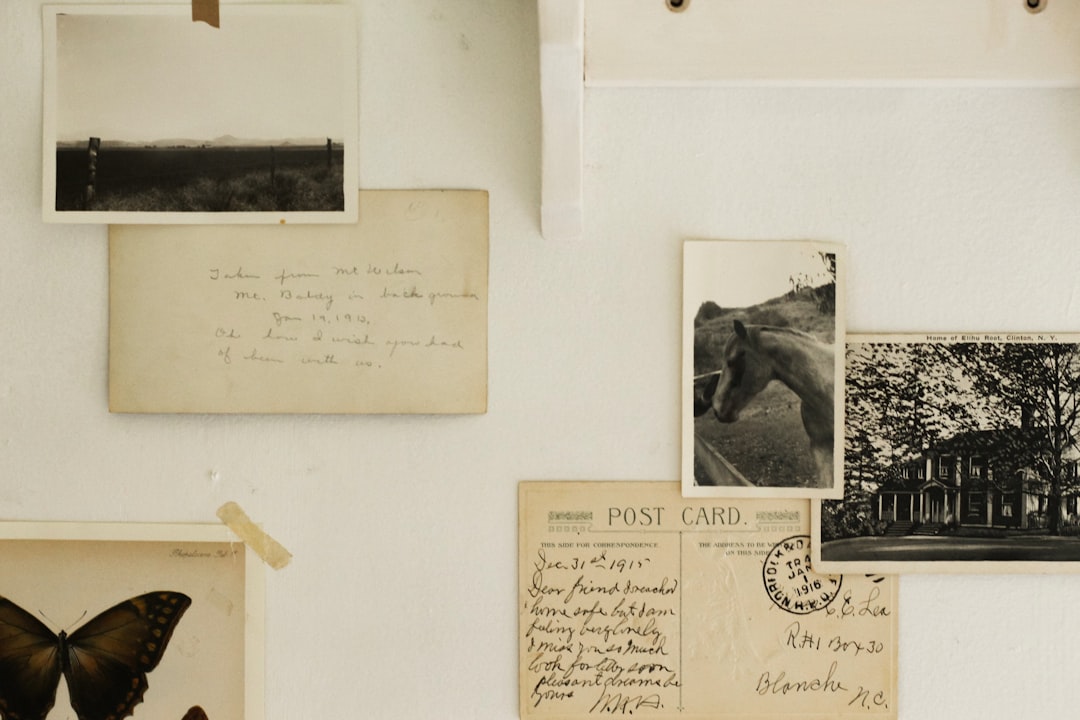
Place meaningful objects where you’ll encounter them naturally. A letter opener from a former workplace on your desk. A travel stone on a windowsill. A framed postcard near the door. These placements invite memory without requiring effort — brief sentimental reminders that surface during ordinary moments.
Pair Objects With Written Context
Objects are powerful, but context completes them. Add a small note tucked behind or beneath the item: where it came from, who was involved, why it mattered. Even one sentence can prevent memories from blurring over time and allows others to understand its significance.
Rotate Instead of Displaying Everything
You don’t need all meaningful objects visible at once. Rotating a few items seasonally keeps memory fresh and prevents emotional overload. An object reappearing after months away often brings a stronger response than constant exposure.
Why Intentional Use Matters
When objects are chosen and placed intentionally, they support memory instead of cluttering it. They remind you of who you’ve been without pulling you backward. Used well, they ground identity and continuity in daily life.