
Everyone loves the idea that retirement means spending less. No more dry cleaning bills. No more gas money for the daily commute. No more grabbing lunch near the office.
And yes, some expenses really do drop. But a few others have a way of quietly climbing just when you are not expecting them. Knowing about these costs ahead of time can make all the difference for your budget.
What Medicare Leaves Out

Medicare handles most routine and major medical costs, but it has real gaps. It does not cover vision services or eyeglasses, dental work, hearing aids, or long-term care.
You will also still face copays and deductibles on the things Medicare does cover. A Medicare supplement or Medicare Advantage plan can help close some of those gaps, but out-of-pocket costs do not disappear entirely. This surprises many new retirees.
Your Home Has Been Waiting for You to Retire
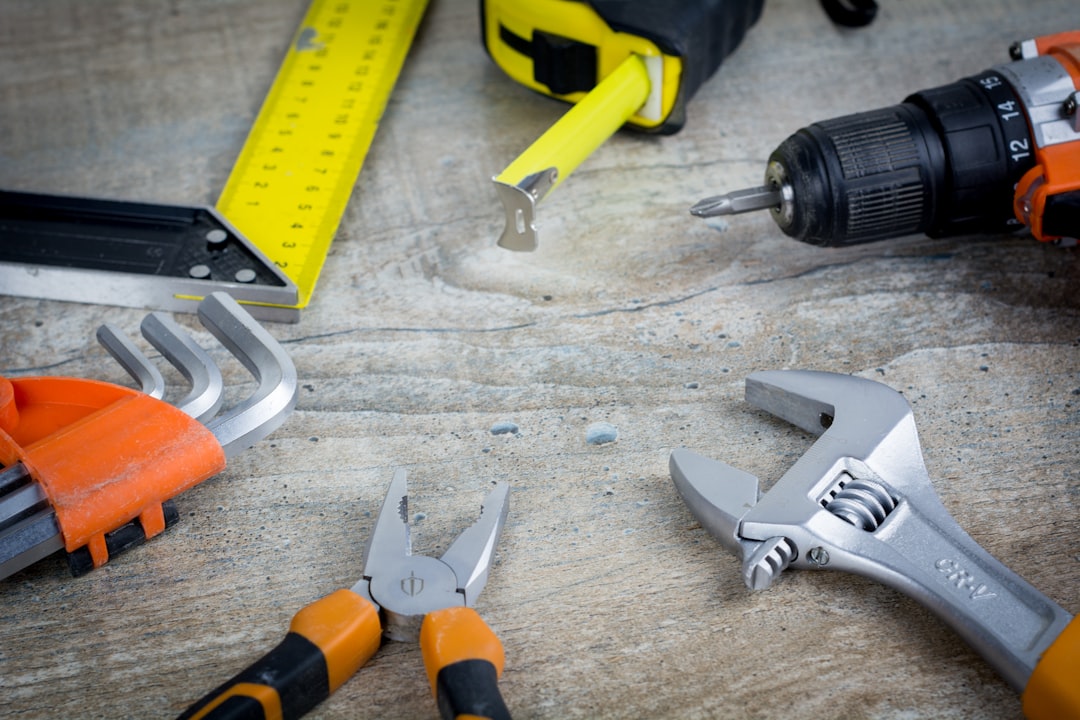
When you are home all day, you start to notice things. That dripping faucet. The deck boards that need replacing. The bathroom could use a grab bar or two.
If you have been in your home for 20 or 30 years, things are simply wearing out. And unlike in your younger years, you may be less able (or less willing) to tackle repairs yourself. Add in any modifications needed to stay safe and comfortable as you age in place, and home maintenance can become one of retirement’s biggest surprises.
Getting Around Costs More Over Time
Early in retirement, many households drop from two cars to one. That saves real money. But as the years pass, driving habits tend to change. Many people prefer not to drive at night or in bad weather.
You may need rides to medical appointments. You might choose to fly or take a train to visit family instead of making a long drive. These transportation costs add up, and they tend to grow rather than shrink as retirement goes on.
Paying Others to Do What You Used to Do Yourself
Mowing the lawn. Cleaning the house. Preparing your taxes. Even routine foot care. These are things many of us handled on our own for decades. In retirement, you may find you would rather (or need to) pay someone else to take care of them.
There is nothing wrong with that. Hiring help for these tasks can genuinely improve your day-to-day life. The key is simply building these costs into your budget before they catch you off guard.
None of these expenses has to derail your retirement. They just deserve a spot in your planning. A little awareness now can keep your finances (and your peace of mind) right where you want them.