
The Joy of Being the House Where Everyone Ends Up
September 4, 2026 — 65Nation
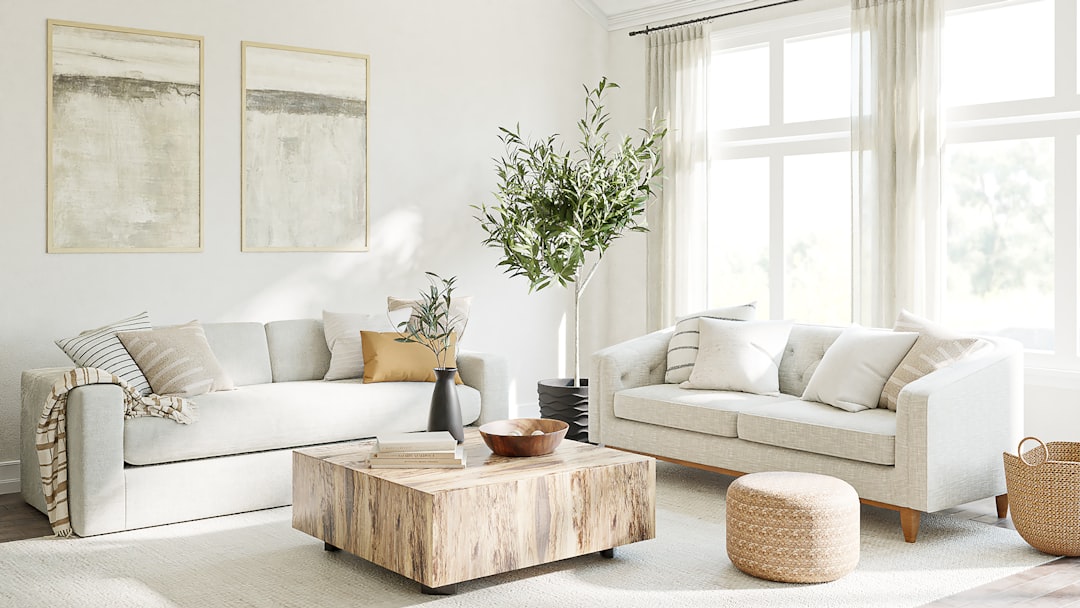
Every family seems to have a designated gathering house. It’s the place people naturally head to after a hockey game, where someone drops in “just for a few minutes” and stays for an hour, or where holiday dinners continue long after the meal is over. It isn’t necessarily the biggest or the fanciest house. It’s simply the place where people feel comfortable.
That kind of home is rarely created by accident.
Comfort Takes Priority
The homes people remember most are seldom the ones staged like magazine photos. Instead, they’re the ones where everyone can relax while still feeling connected.
Perhaps there’s always room to pull up another chair. The table is large enough to accommodate multiple conversations. Blankets, extra pillows, tissues, and something small to drink are easily accessible.
In these homes, it is the atmosphere, not the decor, that says, “You’re welcome here.” People remember that feeling long after they’ve forgotten what the furniture looked like.
The Kitchen Serves as a Communal Space
It’s remarkable how often conversations migrate to the kitchen. Someone is making coffee., another person is slicing fruit, and a grandchild is looking for a snack while two adults wander in to finish a conversation that started in the living room. Nobody planned for everyone to end up there—it just happens.
When left open and with space to spare, a kitchen can become less about cooking and more about connection.
There’s Usually Something Familiar
Many welcoming homes develop little traditions that people look forward to:
- fresh muffins on Saturday mornings
- popcorn during movie nights
- a deck of cards on the kitchen table
- hot chocolate after winter walks
- homemade soup simmering on the stove
- a basket of books or puzzles for grandchildren
These small touches create a sense of familiarity and ritual that people associate with the home itself.
Everyone Feels Like They Belong
One of the nicest qualities of these homes is that guests don’t feel like guests for very long. As a result, people feel comfortable enough to unwind and be themselves. A grandchild knows where the crayons are kept and can grab them without needing help. Friends refill their own coffee cups. Family members wander into the backyard to feel the fading light of a summer evening.
As they settle in, people become participants rather than visitors—almost as at ease as if they’re in their own home. That sense of ease is one of the greatest compliments hosts can receive.
The Best Gatherings Aren’t Always Planned
Some of the happiest memories come from visits that weren’t on the calendar. A neighbor stops by after a walk. A sibling drops in after running errands. Grandchildren arrive unexpectedly because they had a game nearby. People don’t need an excuse to pop by—the house, and its owners, make them feel welcome enough to come over simply to spend time together.
The House Reflects the People Who Live There
Homes that naturally draw people in usually have one thing in common: They reflect genuine hospitality rather than performance. Family photographs line the shelves, well-used cookbooks sit in the kitchen, comfortable chairs invite lingering conversations, and spaces are designed for enjoyment instead of aesthetics.
In short, the house feels lived in—and that makes others feel comfortable living in it too.
Why This Matters
Being the house where everyone ends up isn’t about having the perfect home. It’s about creating an atmosphere where people feel relaxed, accepted, and happy to spend time together. When that exists, people will gladly stop by, even spontaneously—and those random visits often become lasting memories.
On Health
- Can Stronger Glutes Help You Live Longer?
- The Truth About Drug Interactions: What Everyone Needs to Know
- Getting the Care You Need via Telemedicine
- Need help understanding health insurance options? Fill out this form.
- Healthy recipe: Chicken Chili
On Finances
- Four Steps to Tax-Efficient Retirement Income
- Inheritance Planning: Key Steps Before Passing Assets to Your Children
- Interested in learning more about insurance or retirement-focused financial planning? Fill this out.
Inspiring Seniors
We’re looking for seniors who are embracing life with enthusiasm, purpose, and adventure. Whether you’re traveling the world, starting a business, volunteering, pursuing a passion, learning new skills, or simply making the most of every day, we’d love to hear your story.
Think that might be you?
Email with a photo and a short bio. We may feature you in an upcoming edition of 65Nation.
Daily Senior Discount
The discount: Great Clips
What it gives you: Participating locations offer discounted haircut pricing for seniors, typically age 65 and older
How to claim it: Ask about the senior rate when checking in for your haircut
Legacy Spotlight
“The Summer We Sold the House”
From the life overview of Marjorie E., 80, Sarasota, Florida. Shared with permission.
After forty-two years in the same house, my husband and I decided to move. The year was 2008, our children were grown, the mortgage was long paid off, and the stairs were beginning to feel steeper than they had when we moved in.
The hardest part was getting rid of things.
We had held onto everything: my husband’s old bowling trophies, three boxes of Christmas decorations, my children’s elementary-school report cards, and even a fondue set that we had received as a wedding present in 1964 but never used.
One Saturday in July, we decided to have a yard sale. I put a price sticker for fifty cents on a little blue vase that had belonged to my mother.
A woman picked it up and asked if I would take twenty-five cents instead.
I said, “Sure.”
After she left, I stood there looking at the empty space where the vase had been. It made me feel unexpectedly sad. My husband came over and asked what was wrong, so I told him about it.
He said, “You know, Marjorie, we still have the rest of the house.”
That made me laugh.
We sold the house three months later. The woman who bought the blue vase probably used it for flowers.
I sometimes wonder where it is now. But I don’t regret selling it. I think I was learning, very slowly, that an object can matter deeply to you even if it doesn’t stay in your possession forever.
***
Want to preserve for future generations the stories, experiences, and wisdom that have shaped your life?
Have Your Life Overview Written
Two Things Worth Your Time
Atlas Obscura – Gastro Obscura
Gastro Obscura explores unusual foods, culinary traditions, and the surprising histories behind what people eat around the world. Stories range from nearly forgotten American regional dishes to centuries-old cooking techniques and peculiar foods you’ve probably never encountered. It’s entertaining reading even when you have absolutely no intention of putting the featured dish on tonight’s menu.
Academy of American Poets – Poem-a-Day
Poem-a-Day offers one carefully selected poem to read online each day, with newly published contemporary work on weekdays and classic poetry on weekends. Weekday selections also include commentary from the poet, providing a little insight into the ideas or experiences behind the piece. It’s a simple way to make room for a few minutes of good writing each day.
Scam Alert
Sheriff’s department warns of scammers impersonating them
Capture Your Life Story: Today’s Daily Prompt
This daily section is brought to you by MemoirGhostwriting.com, experts in capturing life stories for loved ones and/or the public.
What’s a story involving a treasured possession?
Take a few minutes to jot down your thoughts. Even a few sentences are a memory preserved for loved ones. Some people begin by writing on their own—or even using AI tools—but many eventually decide they’d rather simply talk and have their story shaped into something lasting. That’s where we come in.
Do you want to ensure your story, values, and family history aren’t lost?
- Have Your Legacy Letter Written
- Get Genealogy Help
- Help Your Family: Have Your Obituary Written Ahead of Time
Hobby Corner:
Seashell Collecting and Display Ideas

A walk along the beach becomes much more interesting when you’re keeping an eye out for unusual shells. Seashell collecting, or shelling, can turn vacation finds into a collection tied to particular beaches, trips, and memories. Once you’re home, those shells can also become beautiful displays rather than disappearing into a drawer.
Know What You Can Collect
Before taking shells home, check the rules for the beach you’re visiting. Collection limits vary by location, and some protected areas don’t allow collecting at all. Always leave occupied shells where you find them—even a seemingly empty shell may have become a hermit crab’s home.
The National Park Service’s shelling guide for Cape Lookout, for example, explains its collection rules and offers useful tips for beachcombing. The park notes that early mornings, low tides, and the period after a storm can be particularly productive times to look for shells.
Learn What You’ve Found
Once you bring empty shells home, sort them by shape, size, color, or where you found them. Keep a small card with the beach and date so you don’t have to rely on memory years later.
Shells are made primarily by mollusks, a remarkably diverse group that includes snails, clams, scallops, oysters, and many other animals. This guide to mollusks and their shells provides photographs and information about several species you may encounter.
Put Your Collection on Display
A glass jar is one of the simplest displays, particularly when the shells all came from the same trip. Add a small label with the beach and year. For individual favorites, try a shadow box, glass-front display case, or shallow decorative bowl.
You can also arrange shells around a vacation photograph in a deep frame or create a small display with shells, postcards, and other mementos from the same trip.
Resist the urge to paint or heavily alter especially beautiful specimens. Their natural patterns, ridges, spirals, and colors are often what make them interesting in the first place.
A shell collection doesn’t need to be rare or valuable. Its appeal can be much simpler: every shell is a small reminder of a particular stretch of shoreline and the day you found it.
On Tech for Seniors:
Recognizing Misleading Headlines and Clickbait Online

A headline is designed to get your attention, but it doesn’t always give you an accurate picture of the story underneath. Some websites use exaggerated or deliberately vague headlines — known as clickbait — because getting more people to click can increase traffic and advertising revenue.
Watch for Common Warning Signs
Be cautious with headlines that make dramatic promises or try to provoke an immediate emotional reaction. Phrases such as “You won’t believe,” “Everyone is talking about this,” “Doctors hate this trick,” or “This changes everything” are common examples.
Also watch for headlines that leave out essential details. “New Law Will Affect Millions” tells you very little about which law, who is affected, or when anything changes.
Check Before You Share
Read beyond the headline before reacting or forwarding a story. Look for the publication date, the author, and the sources cited in the article. Then check whether a reputable news organization or official source is reporting the same information.
Pay particular attention to claims involving health, money, government benefits, or breaking news. A headline may contain a grain of truth while exaggerating what the underlying facts actually show.
On Travel for Seniors
Cruise deal of the day: 3 Nights Western Mediterranean Cruise – departing September 17, from $247
Unmissable American gem: Genoa, Nevada is Nevada’s oldest settlement, known for its historic buildings, peaceful Main Street, and beautiful setting beneath the Sierra Nevada that make it an inviting stop for history and scenery.
Looking for travel planning help? Fill out this form.
Unscramble
Unscramble the letters to find a famous person, event, or object. Think you know it? Reply with your answer and show off your brainpower.
Today’s clue: Bright glowing advertisement associated with diners and motels.
EONN NIGS
Want to Earn in Retirement?
Help a life story get told, earn thousands: Refer someone to MemoirGhostwriting.com and earn 12% of what they spend, or a 16% donation to your favorite nonprofit. Find out more here.
Explore flexible sales opportunities: CommissionOnly.com gives you access to flexible part-time, work-from-home commission-only roles you can apply to. Find out more here.
Interested in reaching {{active_subscriber_count}} seniors? Learn more here.
Disclaimer: Some links in this newsletter are affiliate links. If you make a purchase through them, 65Nation may earn a small commission at no extra cost to you. The content of the newsletter is for informational purposes only and should not be taken as financial, legal, or health advice. We may also share polling responses with advertisers to help keep this newsletter free.


Keep Reading
65Nation
A free daily newsletter for seniors covering health, money, and thriving in retirement.
Support Directory Advertise Careers
Terms of Use Privacy Policy Data Subject Requests
Subscribe
By clicking Subscribe, you consent to receive newsletters via email and agree to our Terms of Use and Privacy Policy.