

As life changes, it’s easy to focus on what’s been lost or altered. Yet much of daily life continues to function quietly and reliably. Appreciating what still works isn’t about lowering expectations — it’s about recognizing the steady supports that make ordinary days easier.
Notice What Requires Little Thought
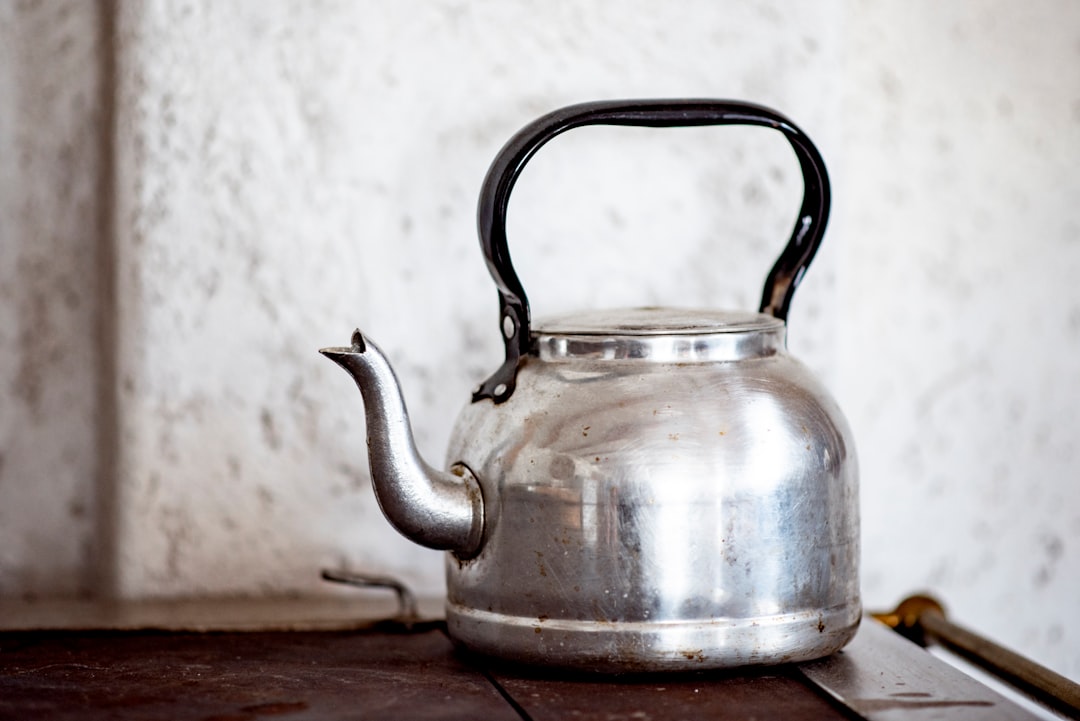
Many things still work so well you rarely think about them. A kettle that boils every morning. A chair that fits your body just right. A familiar route you can walk without planning. These small reliabilities reduce effort and create ease. Taking a moment to acknowledge them often brings a sense of stability that bigger achievements don’t.
Recognize Skills That Haven’t Left You
Some abilities remain intact even as circumstances change. You still know how to prepare a meal without a recipe, carry on a thoughtful conversation, manage a household routine, or listen carefully when others talk. These skills may no longer be labeled as accomplishments, but they continue to support daily life in meaningful ways.
Appreciate Relationships That Are Still Steady
Not all relationships need frequent contact to be strong. A friend who answers when you call. A neighbor who waves each morning. A family member who checks in reliably. These connections work because they’re consistent, not because they’re dramatic. Their quiet presence often matters most.
Pay Attention to What Your Body Still Allows
While abilities may shift, many things still feel possible: walking comfortably, reading without strain, enjoying food, resting when needed. Appreciating these capacities doesn’t deny limitation — it balances it. Awareness often brings gratitude without comparison.
Let Reliability Be Enough
What still works may not be exciting, but it’s foundational. Reliable routines, familiar spaces, and dependable habits create a sense of safety. They allow life to flow without constant adjustment.
Why This Perspective Matters
Focusing on what still works anchors attention in the present rather than the past. It highlights continuity — proof that not everything changes at once, and not everything needs fixing.
[smart_post_show id=”11461″]