
You already know that what you eat affects your heart, your weight, and your energy. But here is something worth sitting with: every bite you take is also feeding your brain.
According to Dr. Mia Nacamulli, the brain makes up only about 2 percent of your body weight. Yet it burns through up to 20 percent of your body’s energy. That is a hungry organ, and it is particular about what it wants.
Most of the brain’s weight comes from fats, with proteins, amino acids, micronutrients, and glucose making up much of the rest. Dr. Nacamulli told 10Almonds that these nutrients shape how your brain develops, how it functions day to day, and even how you feel.
What Your Brain Is Actually Looking For
Much of the brain’s energy comes from glucose, which your body produces when it digests carbohydrates. But not all carbs work the same way. High-glycemic foods like white bread cause a quick spike in blood glucose followed by a drop and that can affect your attention and mood. Oats, whole grains, and legumes release glucose more slowly, which helps keep you steady and focused.
Here is a closer look at the key nutrients your brain depends on:
- Fatty acids: Omega-3 and omega-6 fatty acids are essential for building and maintaining brain cell membranes. Nuts, seeds, and fatty fish are rich sources. Long-term consumption of trans and saturated fats, on the other hand, can compromise brain health.
- Proteins and amino acids: Amino acids are the building blocks for neurotransmitters like dopamine, serotonin, and norepinephrine, the messengers that influence your mood, sleep, and ability to focus. Eating a varied diet helps keep a balanced supply of these chemicals moving through your brain.
- Micronutrients: Antioxidants from fruits and vegetables help protect brain cells from free-radical damage. Vitamins B6, B9, and B12 support brain health, while iron, copper, zinc, and sodium play important roles in brain function and cognitive development.
The Practical Takeaway
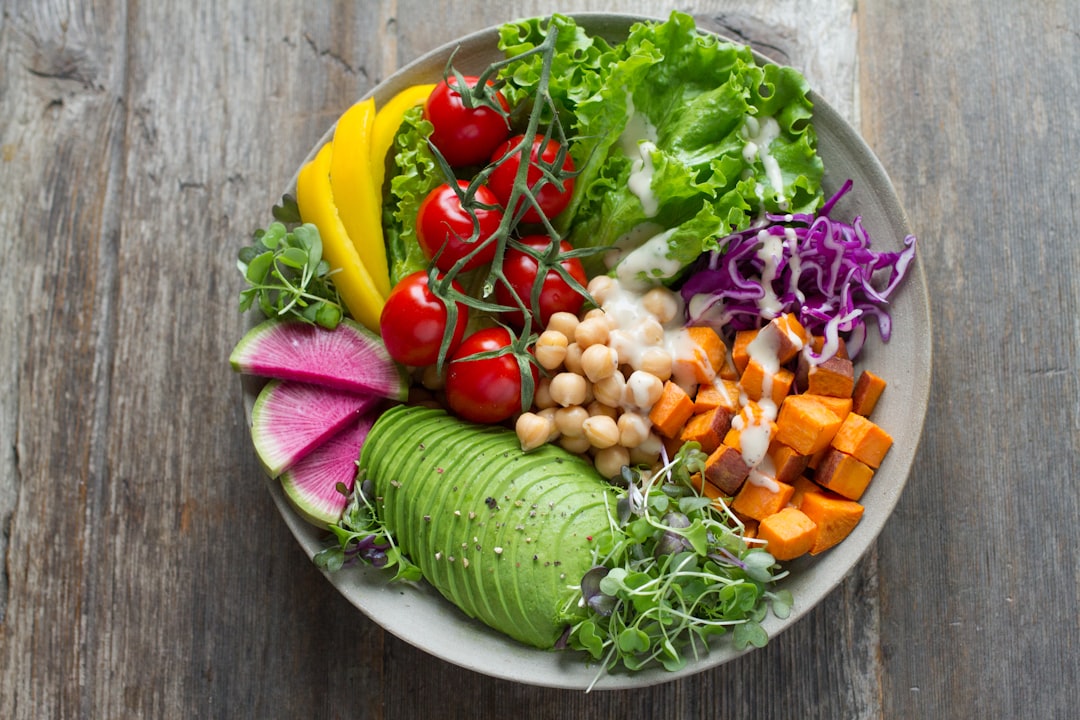
None of this requires a complete overhaul of how you eat. It is more about noticing the patterns. A plate with more color, more fish, more whole grains: that is a plate that is doing right by your brain as well as your body.
The choices you make at the table add up over time. And for our generation, keeping the mind sharp is every bit as important as keeping the body moving.
Good food and an active life go hand in hand. What you put on your plate today is working quietly in the background, keeping your mind clear, your mood steady, and your brain ready for whatever comes next.